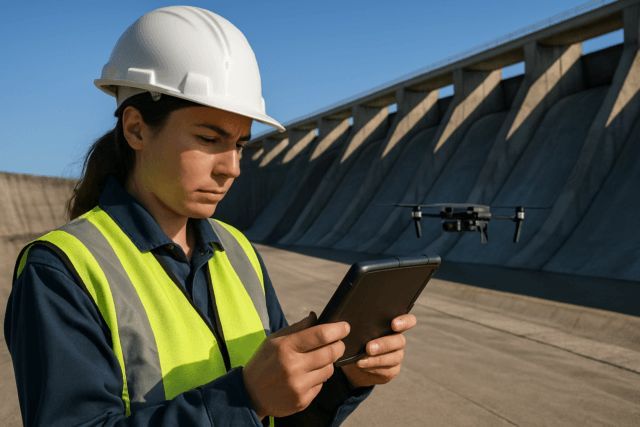
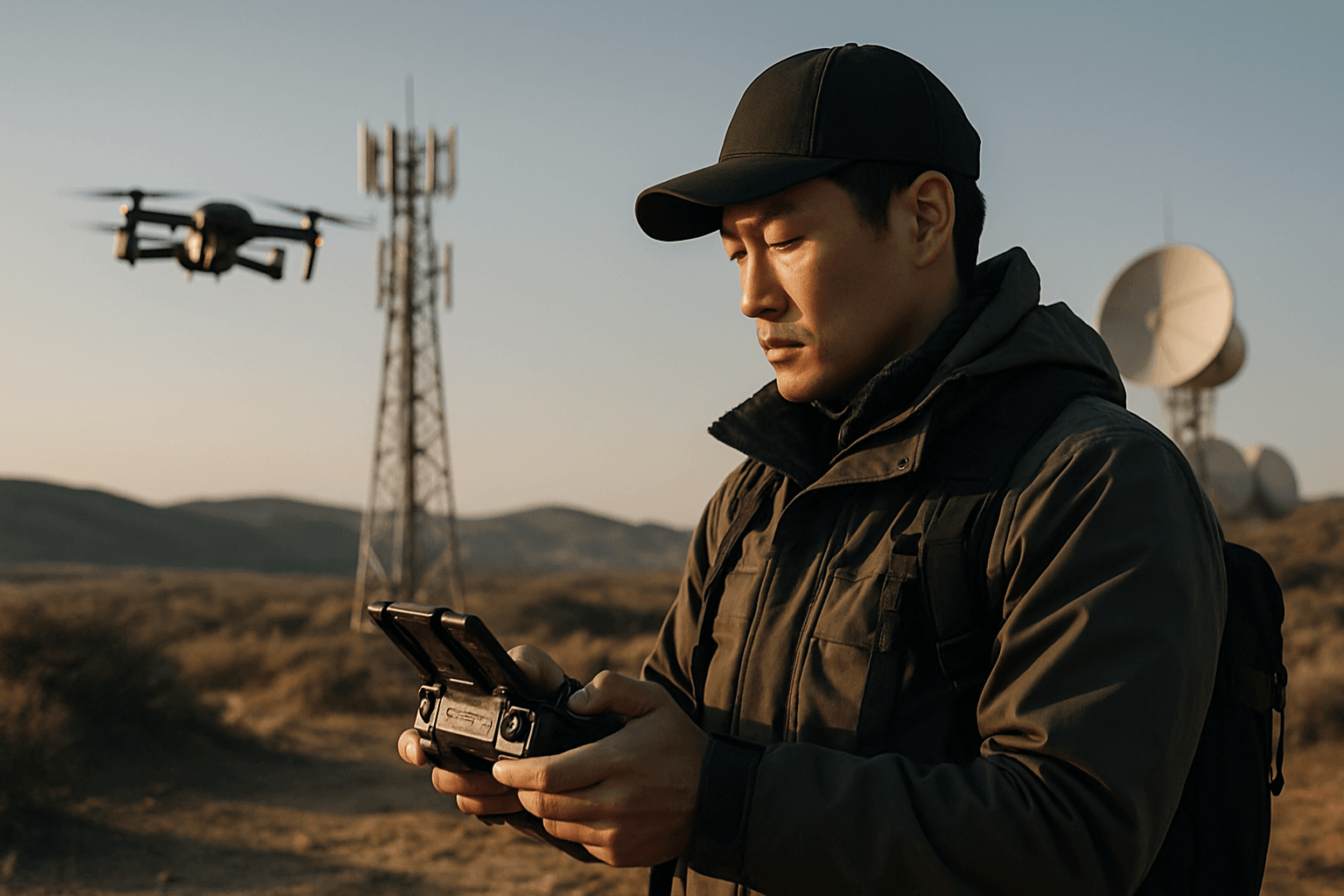
In an increasingly interconnected world, remote communication sites—such as cellular towers, data centers, satellite dishes, and network hubs—form the backbone of modern society. Their uninterrupted operation is critical for everything from daily commerce to emergency services. However, their often isolated and expansive nature makes them inherently vulnerable to a spectrum of threats, ranging from vandalism and theft to sophisticated espionage and cyber intrusions. Traditional security measures often fall short in these challenging environments, creating a pressing need for innovative solutions. Unmanned Aerial Vehicles (UAVs), commonly known as drones, are rapidly emerging as a transformative technology, offering unparalleled agility, real-time intelligence, and cost-effectiveness to fortify the security of these vital assets.
The Unique Challenges of Remote Communication Site Security
Securing remote communication infrastructure presents a distinct set of hurdles that conventional methods struggle to overcome. These challenges include:
Vast and Isolated Geographies
Many communication sites are located in expansive, often rugged, and isolated areas, making physical patrols resource-intensive and often impractical. These high-value assets are tempting targets for theft, vandalism, and sabotage due to their remote placement.
Limited Personnel and Delayed Response
The scarcity of on-site security personnel means that incidents can go undetected for extended periods, and response times to breaches are often slow. This delay can escalate security situations, leading to increased risk and potential losses.
Environmental and Physical Hazards
Remote sites can expose security teams to hazardous conditions, including extreme weather, difficult terrain, and dangerous equipment. Drones can inspect these areas without risking human lives, such as high-voltage zones.
Evolving and Sophisticated Threats
Beyond traditional physical security concerns, remote communication sites face threats from unauthorized drone surveillance, which can gather sensitive data or even facilitate cyberattacks and physical sabotage. Malicious drones can bypass conventional ground-based security solutions, posing a significant risk to national security and corporate confidentiality.
How Drones Revolutionize Security for Communication Infrastructure
Drones fundamentally change how critical infrastructure is monitored and protected, addressing many of the shortcomings of traditional security approaches.
Enhanced Situational Awareness and Expansive Coverage
Drones provide a “bird’s-eye” view, offering comprehensive surveillance over large or complex environments that are impossible for ground-based cameras or personnel to cover entirely. This aerial perspective can eliminate blind spots, offering continuous vigilance across vast perimeters. Equipped with high-definition cameras, drones capture precise and thorough data for inspections and situational awareness.
Rapid Response and Real-time Intelligence
Unlike static cameras or slow-moving ground patrols, drones can be deployed quickly to investigate alerts, reaching remote incident locations faster than human personnel. They stream live video and audio feeds directly to security teams, enabling immediate assessment and informed decision-making during emergencies.
Cost-Effectiveness and Reduced Risk to Personnel
By automating routine patrols and covering large areas with minimal oversight, drones significantly reduce the need for extensive human security presence, thereby lowering operational costs. Furthermore, they minimize human exposure to hazardous industrial sites or hostile environments, enhancing safety for security personnel.
24/7 Monitoring Capabilities
Modern security drones are equipped with advanced sensors such as thermal imaging and night vision cameras, enabling round-the-clock monitoring regardless of lighting conditions. This ensures continuous protection and the ability to detect unauthorized intrusions even in complete darkness.
Key Drone Applications in Securing Remote Communication Sites
The versatility of drones allows for a multitude of security applications tailored to remote communication sites:
Automated Perimeter Surveillance
Drones can be programmed for autonomous patrols along predefined routes, offering consistent and scheduled perimeter checks. This automation increases patrol frequency and coverage, making it harder for intruders to predict security movements and find vulnerabilities.
Anomaly Detection and Incident Verification
Leveraging AI and machine learning, drones can detect anomalies, identify potential threats, and differentiate between genuine security breaches and false alarms. Upon an alarm trigger, a drone can autonomously fly to the GPS location of the activated system and record video, providing crucial real-time situational awareness before human responders arrive.
Infrastructure Inspection and Maintenance
Drones are invaluable for inspecting the physical condition of communication towers, antennas, and associated equipment. They can identify physical damage, operational issues, or potential vulnerabilities more safely and efficiently than manual inspections, often reaching inaccessible or high-risk areas. Thermal imaging can even detect leaks or overheating components.
Deterrence and Threat Mitigation
The visible presence of drones conducting patrols acts as a deterrent to potential intruders and malicious actors. In cases of unauthorized drone activity, advanced drone detection systems can identify, classify, and track suspicious UAVs, providing critical insights for mitigation strategies.
Essential Technologies and Features for Security Drones
The effectiveness of drone operations for site security is underpinned by sophisticated technology:
Advanced Sensors
High-definition optical zoom cameras provide clear visual data, while thermal imaging and night vision capabilities ensure continuous monitoring in all lighting and weather conditions. Some systems also integrate radar for enhanced detection and classification of aerial targets.
Autonomous Flight and AI Integration
Autonomous flight capabilities, often enabled by pre-programmed flight paths, obstacle avoidance systems, and GPS, allow drones to conduct reliable patrols without constant human intervention. AI-driven monitoring uses machine learning algorithms to detect and analyze anomalies, distinguishing between genuine threats and non-threatening activities, thereby reducing the workload for security teams.
Secure Communication Systems
Robust and secure communication links are paramount for drone operations. This includes encrypted data transmission, secure authentication protocols to prevent signal interception or hijacking, and the use of multi-link drones that can aggregate cellular and satellite networks for redundancy and resilient connectivity, especially in remote or compromised scenarios.
Geo-Fencing and Emergency Protocols
Virtual boundaries, or geo-fencing, ensure that drones operate strictly within designated areas and comply with airspace regulations. Emergency landing protocols, such as automatic return-to-home features, ensure safe operation even in unexpected situations like low battery or loss of signal.
Drone-in-a-Box Solutions
These integrated systems feature a self-docking and charging station, allowing drones to be rapidly deployed and recovered, providing an immediate response capability for alerts and scheduled patrols without requiring human presence for launch and landing.
Regulatory and Operational Considerations
While drones offer significant advantages, their deployment for security operations requires adherence to specific regulations and careful operational planning.
Airspace Regulations
In the United States, commercial and public safety drone operations typically require an FAA Remote Pilot Certificate (Part 107). Regulations also include requirements for remote ID, altitude restrictions (below 400 feet), and maintaining a visual line of sight (VLOS). For operations beyond visual line of sight (BVLOS), which are often necessary for extensive remote sites, waivers are required, and regulatory bodies like the FAA and TSA are working on proposed rules to normalize such operations with new security requirements. Similar regulations exist in other regions, such as EASA in the European Union.
Privacy and Data Protection
Operating drones for surveillance raises legal and ethical questions, particularly concerning privacy. Organizations must adhere to privacy laws and restrictions on unauthorized surveillance of private properties or individuals. Comprehensive training should cover data protection standards and ethical deployment practices to avoid misuse of surveillance capabilities.
Personnel Training and Certification
Specialized training and comprehensive certification for drone pilots are essential for safe, legal, and effective security operations. This goes beyond basic flight proficiency and includes understanding regulatory frameworks, advanced flight maneuvers, sensor operation, and incident response protocols specific to security contexts.
Integration with Existing Security Systems
Drones are most effective when integrated into a multi-layered security strategy. They complement existing security systems like CCTV cameras, alarm systems, and incident management platforms by providing an aerial, mobile component that enhances overall coverage and response capabilities without replacing them entirely.
The Future of Drone Security in Communication Sites
The role of drones in securing remote communication sites is poised for continuous evolution, driven by advancements in technology and increasing sophistication of threats.
Increased Autonomy and AI Sophistication
Future drones will feature even more advanced AI and machine learning, enabling greater autonomy in identifying, tracking, and assessing security threats with minimal human supervision. This includes autonomous tracking of recognition-based elements like people or vehicles.
Longer Flight Times and Advanced Battery Technology
Ongoing advancements in battery technology and drone design will lead to longer flight times, enabling more sustained and extensive surveillance missions without frequent recharging or battery swaps.
Swarm Drone Technology
The development of swarm drone technology promises even broader coverage and coordinated surveillance, allowing multiple drones to work together to monitor vast areas more efficiently and effectively.
Enhanced Data Analytics and Predictive Security
Drones will increasingly contribute to predictive security measures through advanced data analytics. By continuously collecting and analyzing data, systems can identify patterns and potential vulnerabilities, allowing for proactive threat mitigation.
Advanced Counter-UAS (C-UAS) Systems
As malicious drone threats evolve, so too will counter-UAS technologies. These systems will become more sophisticated in detecting, classifying, and mitigating unauthorized drones, safeguarding critical communication infrastructure from airborne intrusions.
In conclusion, drone operations are revolutionizing the security landscape for remote communication sites. By transforming inherently vulnerable and challenging locations into resilient, cost-effective, and highly responsive security postures, UAVs are becoming indispensable tools in protecting the critical infrastructure that underpins our modern world.