
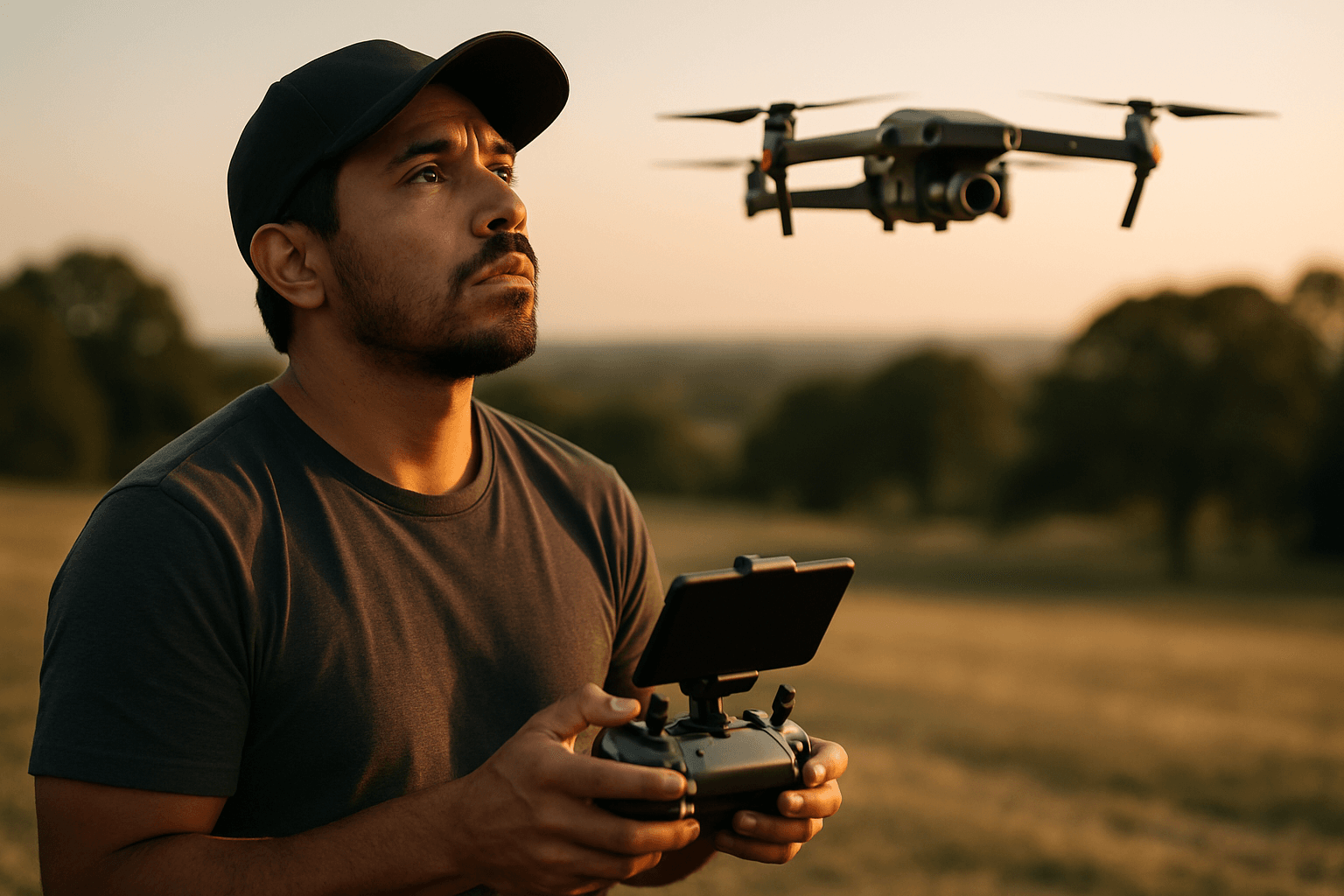
For drone photographers and videographers, the promise of breathtaking aerial shots often comes with a significant challenge: wind. What appears to be a gentle breeze on the ground can transform into a formidable foe at altitude, turning smooth cinematic movements into jerky, unstable footage and rapidly draining precious battery life. Effectively managing wind is not just about getting the shot; it’s about safeguarding your expensive equipment and ensuring a safe flight.
This guide delves into practical strategies, essential pre-flight preparations, and crucial in-flight techniques to help you master flying your camera drone even when the wind tries to disrupt your vision.
Understanding Wind’s Impact on Drone Performance
Wind is arguably the most significant environmental factor affecting drone flight. Its effects are far-reaching, impacting everything from stability to battery life and footage quality. Strong winds force a drone’s motors to work overtime to maintain position, leading to significantly faster battery drain, sometimes reducing flight time by 30-50%. This constant struggle for stability can result in shaky video, blurry photos, and overall reduced sharpness, even with advanced gimbal stabilization. Beyond image quality, strong gusts increase the risk of losing control, being blown into obstacles, or even complete system failure.
Pre-Flight Mastery: The First Line of Defense Against Wind
Successful drone operation in windy conditions begins long before takeoff with meticulous preparation.
Accurate Weather Assessment
Never rely on a single weather report. Utilize specialized drone weather apps like UAV Forecast or WindFinder, which often provide wind speeds at different altitudes. Crucially, pay more attention to gust speed than the average wind speed, as sudden gusts are the primary cause of instability and potential crashes. Visually confirm the forecast by observing flags, trees, or smoke. As a general rule, many consumer drones can handle winds up to 10-20 mph, with professional models extending to 25-35 mph, but always consult your drone’s specific wind resistance rating. A good personal safety margin is to only fly when the wind is two-thirds or less of your drone’s maximum rated wind resistance. For beginners, a maximum of 10 mph is a safer starting point.
Know Your Drone’s Wind Resistance Rating
Drones are assigned a wind resistance level, often based on the Beaufort Wind Scale, typically ranging from 0 to 12. Most consumer drones fall between Level 3 (gentle breeze, 8-12 mph) and Level 5 (fresh breeze, 19-24 mph). Professional and industrial drones can handle higher levels, sometimes up to Level 6 (strong breeze, 25-31 mph) or even Level 7-8 (near gale/gale, 27-39 mph). Larger, heavier drones with more powerful motors and advanced stabilization generally offer better wind performance.
Comprehensive Drone Inspection
Perform a thorough pre-flight physical inspection of your drone. Check the aircraft body, motors, and propellers for any cracks or loose parts. Ensure your batteries (both drone and remote controller) are fully charged, as wind dramatically increases power consumption. Always bring spare batteries for longer flights. Don’t forget to check your SD card and clean all camera lenses and vision sensors.
Strategic Site and Flight Planning
Choose a launch location that offers natural windbreaks like cliffs, buildings, or dense tree lines, being mindful of potential turbulence created by these obstacles. Identify primary and secondary landing zones, ensuring they are clear of people, vehicles, and power lines. Plan your flight path strategically: it’s often advisable to fly into the wind on your outbound journey, conserving battery for an easier, wind-assisted return trip. Adjust your Return-to-Home (RTH) battery percentage higher than usual (e.g., 35-40%) on windy days to account for increased battery drain.
In-Flight Techniques: Adapting to the Air
Once airborne, several piloting techniques can help manage wind effectively.
Maintain Visual Line of Sight and Monitor Telemetry
Always keep your drone in clear visual line of sight to assess its position and react quickly to changing wind conditions. Continuously monitor real-time wind conditions and your drone’s telemetry data, including battery levels, motor performance, and GPS signals. If the drone struggles to hold position, drifts erratically, or makes unusual sounds, it might be too windy to continue.
Adjust Altitude Strategically
Flying at lower altitudes can sometimes reduce the impact of stronger gusts, as wind speeds often increase with height. However, be acutely aware of obstacles at lower altitudes and ensure you are flying within legal limits.
Smooth and Controlled Movements
Avoid sudden jerks, rapid changes in direction, or aggressive acceleration/deceleration, as these actions can destabilize the drone further in windy conditions and quickly drain the battery. Maintain a steady, consistent speed and use smooth, controlled inputs to counteract wind forces.
Leverage Flight Modes and Features
- Gimbal Stabilization: Ensure your drone’s gimbal is properly calibrated and activated. Modern 3-axis gimbals are essential for stabilizing the camera and reducing wind-induced vibrations, producing smoother footage.
- GPS Mode: Use GPS-assisted flight modes to help the drone maintain its position and counteract wind forces automatically.
- Sport Mode: Some drones offer a “Sport Mode” (or “S Mode”) that increases motor power and responsiveness. This can provide better control and the ability to fight stronger winds, especially when returning home against a headwind. Be aware that Sport Mode typically disables obstacle avoidance sensors.
Battery Management in Wind
Wind forces motors to work harder, accelerating battery drain significantly. Closely monitor battery levels and plan shorter flights than usual. If you find your drone struggling to return against the wind, land immediately in a safe, pre-identified emergency zone.
Takeoff and Landing in Wind
- Ground Takeoff: If launching from the ground, position the drone with its camera facing the direction of the wind to prevent it from tipping over as it powers up.
- Hand Launch/Catch: In very windy conditions, some pilots prefer hand launching and catching for more control, especially with smaller drones. If hand-catching, ensure the wind is at your back, so the drone is pushed away from you, rather than towards you.
Enhancing Wind Resistance: Gear and Accessories
While no accessory can make a drone invincible to wind, some can certainly help.
High-Performance Components
Drones with more powerful motors and higher-quality propellers can better generate the thrust needed to overcome wind forces, improving stability and efficiency.
Gimbal Stabilizers
A high-quality 3-axis gimbal is paramount for camera drones. It works in real-time to adjust the camera angle, offsetting drone movement and external influences like wind, ensuring your footage remains smooth and clear.
Propeller Guards and Weights
Propeller guards can reduce turbulence and protect blades from accidental contact during gusts. Some operators add small, carefully distributed weights or use battery grips that add beneficial mass, increasing the drone’s inertia and making it less susceptible to being tossed around by wind.
Post-Flight and Continuous Improvement
After flying in windy conditions, review your footage and assess your drone’s performance. Learning from each experience is key to becoming a more proficient pilot. If footage is shaky or flight was unstable, analyze what contributed to the issues and consider how to adjust your approach next time. Practice flying in moderate winds to build confidence and refine your skills before tackling stronger conditions.
While the lure of the perfect aerial shot is strong, remember that safety is paramount. Knowing your drone’s limits, respecting weather conditions, and developing sound piloting skills will not only result in better footage but also ensure your drone returns safely, ready for its next flight.