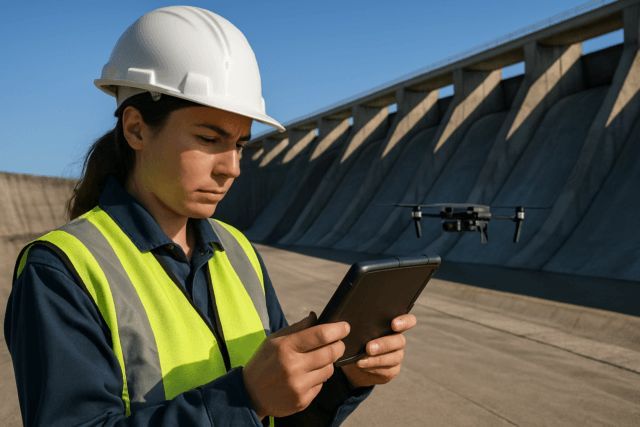
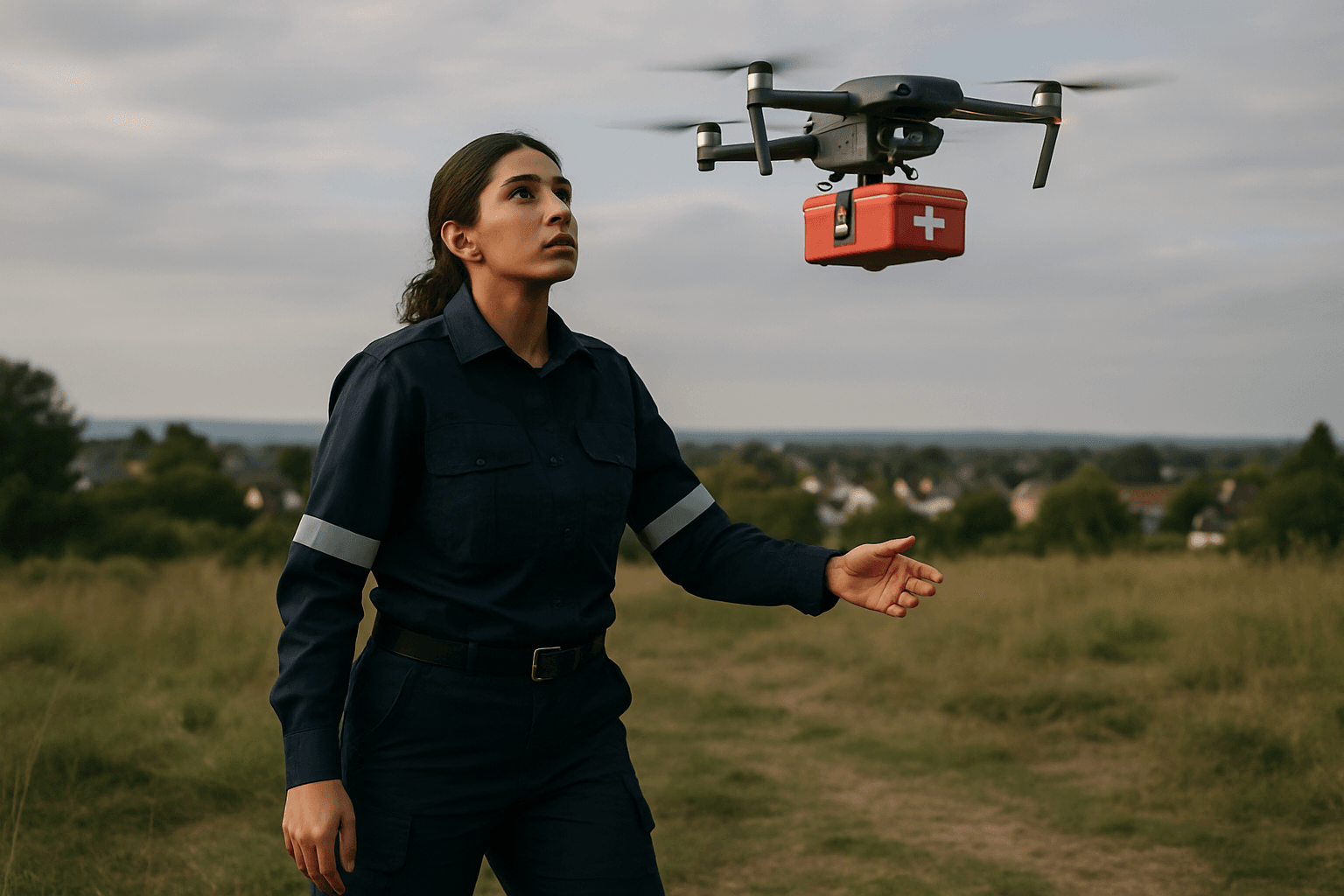
In critical moments where every second counts, technology is continually pushing the boundaries of what’s possible in emergency response. Unmanned Aerial Vehicles (UAVs), commonly known as drones, are rapidly transforming the landscape of emergency services, moving beyond aerial assessment and into the vital domain of rapid delivery. These agile machines are no longer just eyes in the sky; they are now airborne couriers, delivering crucial supplies directly to the scene of an emergency, often with life-saving speed and precision.
The integration of drone delivery capabilities into emergency operations represents a paradigm shift, enabling first responders to overcome geographical barriers, traffic congestion, and hazardous environments that traditionally impede timely assistance. From delivering essential medical supplies to providing communication relays in disaster zones, drones are proving to be indispensable tools in modern crisis management.
The Diverse Applications of Emergency Drone Delivery
Emergency services leverage drone delivery for a wide array of critical tasks, significantly enhancing their ability to respond effectively in various scenarios.
Rapid Medical Supply Delivery
One of the most impactful applications of drone delivery is the swift transport of medical supplies. In time-sensitive emergencies, such as out-of-hospital cardiac arrests (OHCA), drones can deliver Automated External Defibrillators (AEDs) faster than traditional ground transportation, potentially improving patient outcomes and increasing survival rates. Studies in Sweden have shown AED-equipped drones arriving before ambulances in a significant percentage of cases, with successful bystander attachment of AEDs in many instances.
Beyond AEDs, drones are adapted to carry a range of critical items, including:
- Life-saving medications: Such as naloxone for opioid overdoses and antiepileptics.
- Blood products and vaccines: Especially vital in remote or underserved areas, disaster zones, or during pandemics.
- Anti-bleeding equipment and first aid kits: Providing immediate care at accident sites or in hard-to-reach locations.
- Remote diagnostic equipment: Enabling preliminary assessments before responders arrive.
These medical drones often feature specialized temperature-controlled payload compartments to maintain the integrity of sensitive materials and employ automated flight paths with obstacle avoidance for safe and efficient navigation.
Enhancing Search and Rescue (SAR) Operations
Drones play a pivotal role in search and rescue missions, not only by providing aerial surveillance but also by delivering essential aids to stranded individuals or rescue teams.
- Delivery of survival kits: Drones can swiftly transport food, water, medical kits, and other crucial materials to isolated or hard-to-reach locations, especially during natural disasters like earthquakes or floods where traditional routes are impassable.
- Communication equipment: In areas where cellular infrastructure is compromised, drones equipped with communication relay devices can establish temporary networks, bridging communication gaps between rescue teams and command centers.
- Specialized equipment: Beyond basic supplies, drones can carry specialized items like radios or even small shelter components.
Critical Incident Support and Disaster Relief
In broader disaster response scenarios, drone delivery extends to supporting first responders and affected populations with various logistical needs.
- Tool and equipment transport: For specific tasks, drones can transport tools to responders in challenging environments, minimizing human risk.
- Logistical support in remote areas: For communities cut off by natural disasters or lacking infrastructure, drones provide a lifeline for delivering essential goods.
Key Benefits of Drone Delivery in Emergencies
The adoption of drone delivery offers several compelling advantages for emergency services.
Unmatched Speed and Rapid Response
Drones can bypass traffic congestion, rough terrain, and other logistical challenges that often delay ground transportation, enabling faster delivery times in critical situations. This reduction in response time is crucial for improving patient outcomes in time-sensitive medical emergencies. Studies indicate drones can reduce response times by a median of 16 minutes and 39 seconds in some cases, and up to 80% in specific scenarios.
Access to Challenging and Hazardous Environments
Drones are not dependent on ground infrastructure, allowing them to reach areas inaccessible to traditional vehicles due to damaged roads, floods, landslides, or remote geographical locations. This capability minimizes the risk to human responders by allowing remote operation in dangerous zones such as chemical spills, burning buildings, or unstable disaster sites.
Cost-Effectiveness and Efficiency
While initial investment exists, drones can offer a more cost-effective solution for rapid deliveries compared to helicopters or large ground teams over time. They reduce operational costs associated with fuel, staffing, and maintenance. Furthermore, their ability to streamline the supply chain enhances overall logistical efficiency.
Real-time Monitoring and Situational Awareness
Equipped with GPS and advanced sensors, delivery drones provide real-time tracking and monitoring of cargo, ensuring safe and secure delivery. Coupled with their aerial assessment capabilities, drones offer a comprehensive “eye in the sky” view, providing critical information for informed decision-making during rapidly evolving emergencies.
Challenges and Future Outlook
Despite the immense potential, several challenges need to be addressed for the widespread integration of drone delivery into emergency services.
Regulatory Hurdles and Airspace Management
Navigating complex aviation regulations, such as those set by the FAA in the United States, is a significant challenge. Drone operators typically require Part 107 certification and may need special waivers for Beyond Visual Line of Sight (BVLOS) operations, night flights, or flights over people. Temporary Flight Restrictions (TFRs) around disaster zones also need careful coordination. Streamlining these regulations and establishing clear protocols for emergency drone operations are crucial for broader adoption.
Technological Limitations
Challenges include battery life, payload capacity limits, reliability in adverse weather conditions (wind, rain, extreme temperatures), and the need for robust communication networks and GPS, especially in remote areas. Ongoing advancements in battery technology, drone design, and autonomous systems are continuously working to mitigate these limitations.
Public Acceptance and Integration
Gaining public trust and integrating drone operations seamlessly into existing emergency response frameworks require careful planning and collaboration among stakeholders, including healthcare providers, regulatory bodies, and local communities.
Training and Infrastructure
Proper training for personnel involved in drone operation, maintenance, and payload handling is essential. Establishing the necessary infrastructure, such as charging stations or drone hubs, is also part of the long-term vision.
The future of drone delivery in emergency services is promising. Continued innovation in AI, autonomous systems, and advanced sensor technology, coupled with evolving regulatory frameworks, will likely lead to an even more significant role for drones in saving lives and enhancing disaster response globally. As technology progresses, drones are poised to become an indispensable component of resilient and effective emergency management systems worldwide.