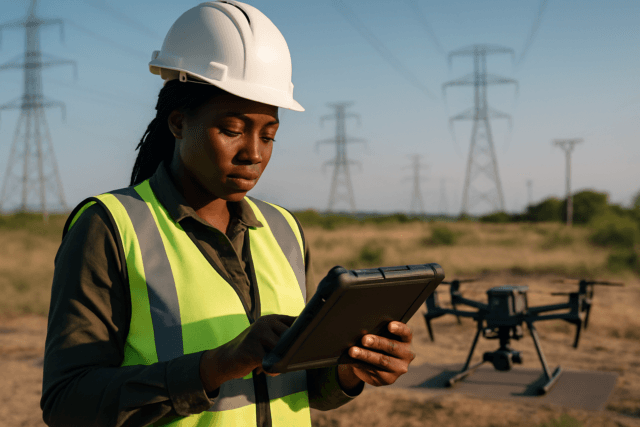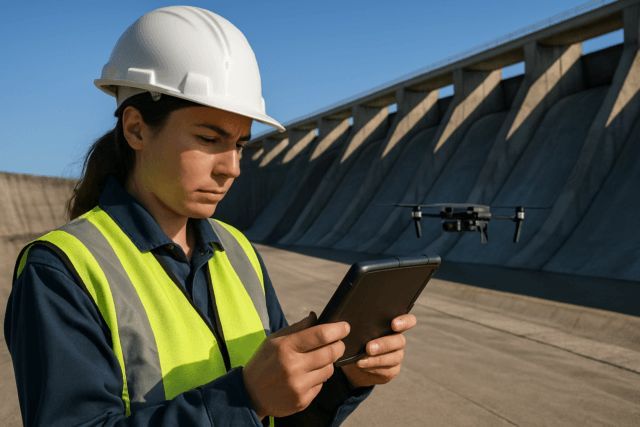
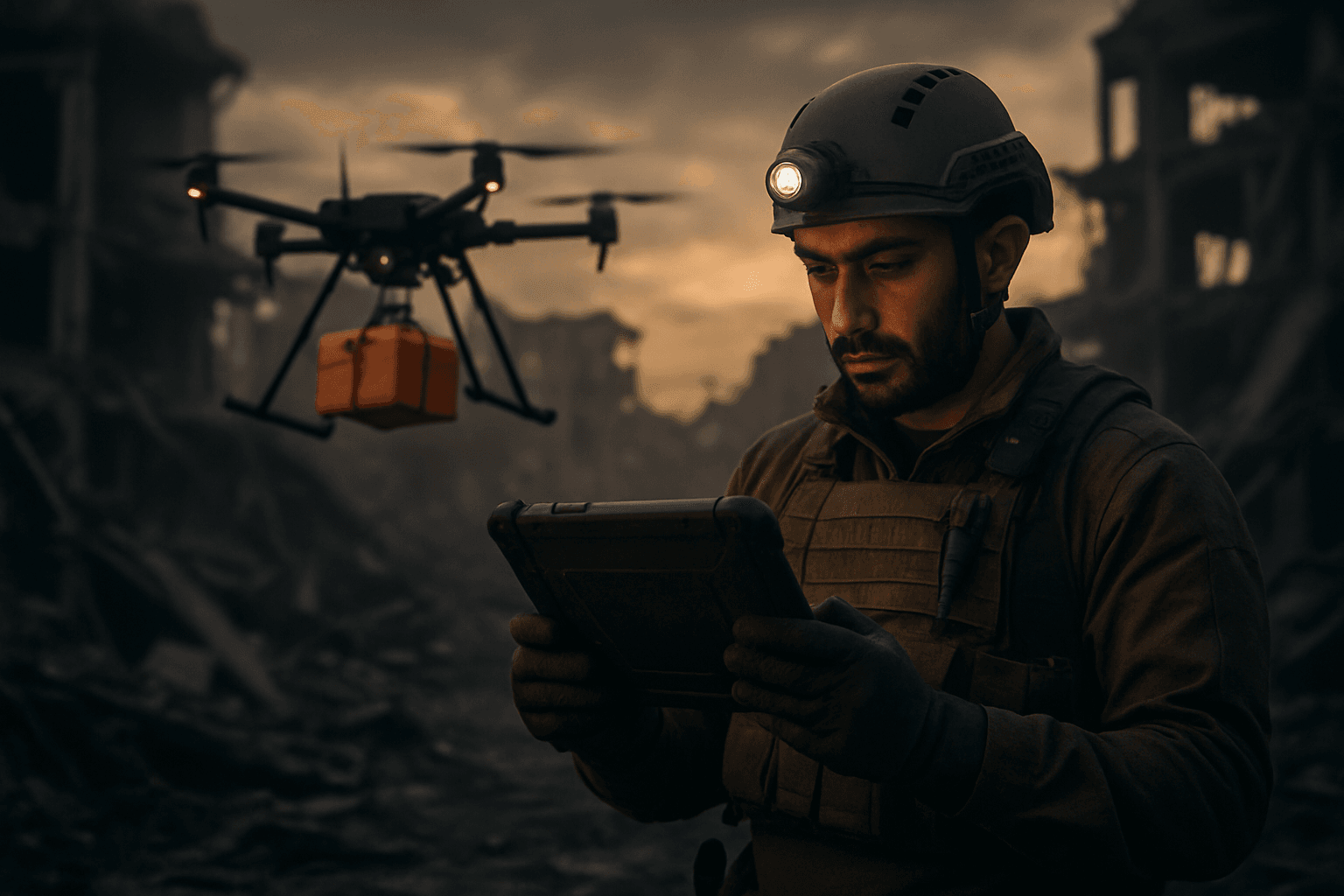
In the chaotic aftermath of natural disasters or complex emergencies, the swift delivery of critical supplies can be the difference between life and death. Traditional relief efforts often face insurmountable obstacles like collapsed infrastructure, impassable roads, and hazardous environments. This is where the silent, swift wings of unmanned aerial vehicles (UAVs), commonly known as drones, are revolutionizing search and rescue (SAR) operations, especially through their remarkable ability to deliver essential payloads directly into disaster zones.
These sophisticated pieces of aviation technology, equipped with specialized payloads, are transforming humanitarian aid by extending the reach of rescuers and providing immediate relief to isolated communities. Their role in disaster management is rapidly evolving, making emergency response safer, faster, and more efficient than ever before.
The Indispensable Benefits of Drone Payload Delivery in Emergencies
Drones offer a myriad of advantages that make them invaluable assets in critical emergency response scenarios, particularly for search and rescue missions.
Rapid Deployment and Access to Remote Areas
Unlike helicopters, drones do not require runways or extensive landing fields, allowing for quick and easy deployment from almost any location. This rapid deployment is crucial during the initial “golden hours” after a disaster, when every minute counts for saving lives. Drones can access remote and hard-to-reach areas, flying over collapsed bridges, flooded zones, or snow-covered terrain that would be inaccessible by traditional ground or air methods.
Enhanced Safety for Responders
Disaster zones are inherently dangerous, posing significant risks to human rescuers. Drones minimize this risk by allowing remote operation, enabling responders to assess situations and deliver aid from a safe distance. For instance, in situations with unstable structures, chemical leaks, or even wildfires, drones can carry out reconnaissance and delivery missions without endangering personnel.
Improved Speed and Efficiency
Drones can quickly cover large geographic areas, providing real-time data and delivering supplies with remarkable speed and precision. This efficiency translates to faster response times, allowing informed decisions to be made more rapidly and effectively. During the COVID-19 pandemic, drones even delivered test samples and medicines, showcasing their value in avoiding traffic and ensuring timely deliveries.
Cost-Effectiveness
Operating drones is generally less expensive and more flexible than deploying human-crewed aircraft like helicopters for surveying disaster areas and delivering low-volume cargo. This cost-saving aspect allows relief organizations to optimize their resources and extend their reach to more affected populations.
Key Payloads for Search and Rescue Missions
A drone’s “payload” refers to the additional weight and equipment it can carry beyond its core systems, transforming it into a specialized tool for various tasks. In search and rescue, the right payload can directly contribute to saving lives.
Medical Supplies
One of the most critical applications of drone payload delivery is the transportation of medical supplies. Drones can quickly and safely deliver essential items such as antibiotics, glucose drips, wound care kits, vaccines, defibrillators, and even blood products to areas cut off from medical services. This is particularly vital in maintaining the cold chain for temperature-sensitive medications and reaching isolated communities hours or days before ground teams could arrive.
Food and Water
In the immediate aftermath of a disaster, access to basic necessities like food and water is often severely compromised. Drones can deliver emergency rations and potable water to trapped or isolated individuals and communities, preventing dehydration and starvation. Examples include the Tokyo Metropolitan Government using a drone to deliver relief goods after Typhoon Hagibis.
Communication Equipment
Disasters frequently disrupt critical communication networks. Drones fitted with communication payloads, such as radio relays, LTE/5G hotspot modules, or portable Wi-Fi base stations, can act as temporary mobile towers. These “Wi-Fi drones” can broadcast connectivity over affected zones, enabling residents to send distress signals, receive emergency instructions, and helping first responders coordinate rescue tasks by syncing field data with command centers in real time.
Specialized Search Equipment
For the “search” aspect of SAR, drones carry advanced sensors to locate victims.
- Thermal Cameras: These detect heat signatures, crucial for finding people at night, in dense foliage, or trapped under rubble where visibility is low.
- LiDAR Scanners: Light Detection and Ranging systems create detailed 3D maps of disaster sites, helping identify structural damage and potential survivor locations.
- Ground Penetrating Radar (GPR): This specialized payload can detect subsurface anomalies, aiding in the location of individuals buried under debris.
Challenges and Considerations in Drone Deployment
Despite their immense potential, deploying drones for payload delivery in disaster zones comes with a unique set of challenges.
Regulatory Hurdles and Airspace Restrictions
Navigating the varied and often complex airspace regulations of different countries can impede drone deployment, especially in populated areas or near airports. Obtaining necessary authorizations and ensuring compliance with national rules is crucial for professional humanitarian organizations.
Battery Life and Payload Capacity Limitations
Current drone technology still faces limitations in battery longevity and payload capacity, which can restrict flight time and the amount of supplies delivered in a single trip. While advancements are being made in battery technology and lightweight materials, these remain ongoing development areas. Larger, heavy-lifting drones are being developed, capable of carrying significant loads like 150kg of water bottles.
Adverse Weather Conditions
Drones can be affected by severe weather conditions such as strong winds, heavy rain, or smoke, which can compromise their stability, navigation, and sensor accuracy. All-weather drones with features like wind-resistant algorithms and waterproof designs are under development to mitigate these issues.
Data Security, Privacy, and Ethical Concerns
The collection of real-time data, including images and locations, raises significant concerns regarding privacy, data protection, and the potential misuse of information. Humanitarian organizations must evaluate how data is used, stored, and shared, especially in sensitive environments. There are also ethical considerations about involving the community and gaining their permission before flying drones over their areas.
Coordination and Public Trust
Effective integration of drones requires robust coordination between government agencies, NGOs, private enterprises, and international organizations. Building public trust and managing perceptions of drone technology, which has sometimes been associated with military activities, is also vital.
Real-World Applications and Case Studies
Drones have already demonstrated their life-saving capabilities in numerous disaster scenarios globally.
- 2024 Noto Peninsula Earthquake, Japan: An unmanned aerial vehicle successfully delivered medicine to three individuals isolated in a school, showcasing the drone’s ability to reach areas cut off by damaged roads.
- 2019 Typhoon Hagibis, Japan: The Tokyo Metropolitan Government utilized a drone to deliver relief goods to an area that had become isolated due to the typhoon.
- Humanitarian Logistics in Africa: Organizations like Zipline have revolutionized healthcare delivery in sub-Saharan Africa, using drones to transport blood supplies, vaccines, and medicines to remote villages in Rwanda and Ghana, dramatically cutting down delivery times from hours to minutes. In Malawi, a drone delivered a suction tube that saved a newborn’s life in a remote clinic.
- 2021 Cyclone Eloise: Drones were instrumental in Mozambique, Malawi, Eswatini, Zimbabwe, and South Africa, assisting in the search for survivors and distributing humanitarian aid.
- 2025 Lachen, North Sikkim Landslide: An Indian Army drone equipped with Ground Penetrating Radar (GPR) was deployed to aid search and rescue, identifying subsurface anomalies suspected to be human remains, enabling precise excavation and reducing risk to ground teams.
The Future of Drones in Disaster Response
The trajectory of drone technology in disaster management points towards increasingly sophisticated and autonomous systems.
Advancements in Autonomous Systems and AI
The future will see drones powered by Artificial Intelligence (AI) and machine learning, enabling them to operate with greater autonomy, make real-time decisions, identify survivors, and deliver supplies without direct human oversight. This shift will enhance the timeliness and effectiveness of emergency responses.
Swarm Drone Technology
Swarm intelligence, where multiple drones communicate and coordinate collaboratively, promises to cover larger areas and execute complex tasks like search-and-rescue or infrastructure assessments simultaneously and more efficiently.
Enhanced Sensor Capabilities
Future disaster drones will be equipped with even more advanced sensors and imaging technologies, including improved thermal imaging and multispectral cameras, providing granular details of affected areas even in challenging environments.
Improved Battery Technology and Payload Capacity
Ongoing research and development are focused on creating longer-lasting batteries and drones capable of carrying heavier and more diverse payloads, further expanding their operational range and utility in humanitarian logistics.
As technology continues to evolve, drones are undoubtedly poised to become an increasingly indispensable tool in the future of emergency response. While they may not entirely replace human rescuers, their ability to deliver vital payloads rapidly and safely into disaster zones will continue to save countless lives and reshape humanitarian aid efforts globally.