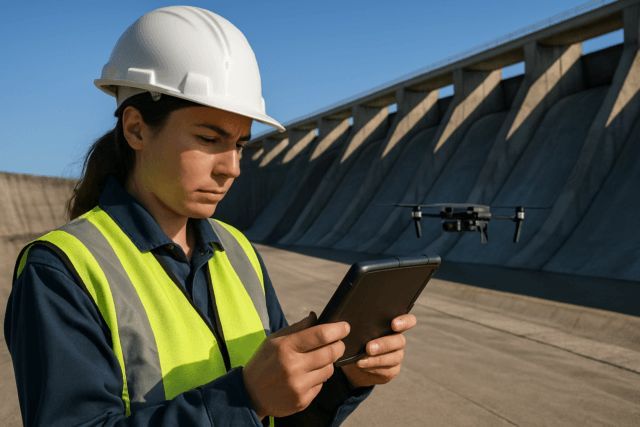
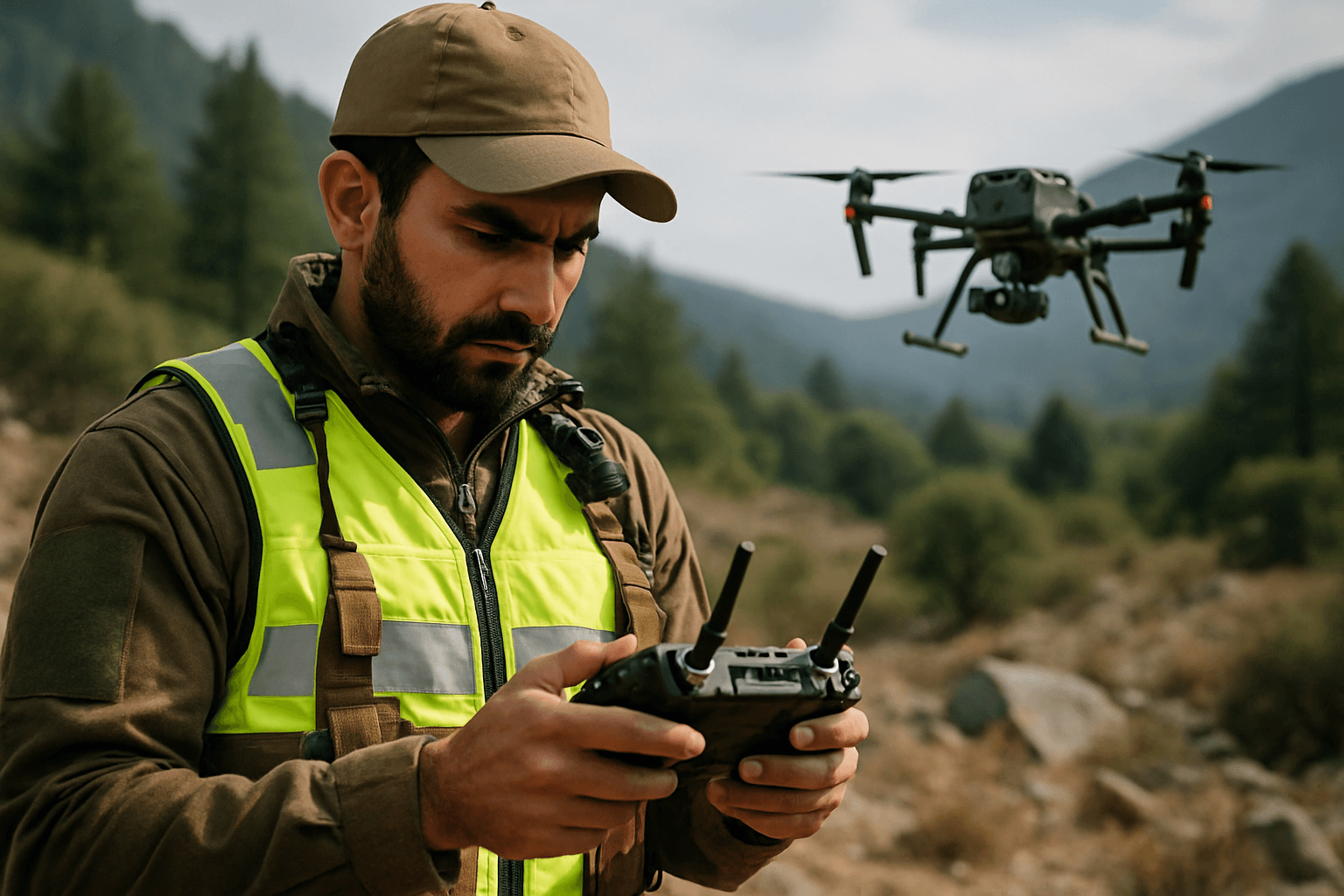
The integration of Unmanned Aerial Systems (UAS), commonly known as drones, into Search and Rescue (SAR) operations has revolutionized the speed and efficiency with which responders can locate missing persons and assess hazardous environments. However, the presence of drones in airspace also shared by manned aviation traffic, particularly during dynamic SAR incidents, necessitates rigorous safety protocols to prevent conflicts and ensure the safety of all aircraft and personnel. Establishing clear guidelines, robust communication, and advanced technological integration are paramount to harnessing the full potential of drones in life-saving missions while maintaining airspace harmony.
The Critical Role of Drones in Search and Rescue
Drones offer significant advantages in SAR operations, including rapid deployment, enhanced situational awareness, and increased safety for rescue teams. They can cover vast areas more quickly than ground teams, access challenging terrain, and provide real-time aerial views and data from advanced sensors like thermal imaging cameras, which are invaluable for detecting heat signatures in low visibility or at night. The ability to carry payloads like loudspeakers or communication relays further enhances their utility in coordinating efforts and assisting distressed individuals.
Navigating the Regulatory Landscape for UAS in SAR
Operating drones, especially in sensitive contexts like SAR missions near manned aircraft, requires strict adherence to aviation regulations. International and national aviation authorities are continuously developing frameworks to safely integrate UAS into the global aviation system.
International Civil Aviation Organization (ICAO) Standards
The International Civil Aviation Organization (ICAO) plays a crucial role in developing global Standards and Recommended Practices (SARPs) for unmanned aviation. Their goal is to ensure the safe, secure, and efficient integration of UAS into non-segregated airspace and aerodromes, comparable to manned operations. ICAO’s work includes establishing regulatory structures for remote pilot licenses, UAS-specific airworthiness requirements, and provisions for Command and Control (C2) link frequency bands and procedures. These international standards provide a foundational framework for member states to develop their national regulations, ensuring a harmonized approach to UAS operations, including those for humanitarian efforts like SAR.
National Aviation Authority Regulations (e.g., FAA)
National bodies, such as the Federal Aviation Administration (FAA) in the United States, establish specific rules for drone operations. For instance, the FAA issued a certificate of authorization in 2006 to allow MQ-1 and MQ-9 UAVs (military drones) to fly in U.S. civil airspace for disaster relief and SAR.
Key aspects of national regulations often include:
- Airspace Authorization: UAS operators must obtain appropriate authorizations, especially when operating in controlled airspace or near airports. Processes like LAANC (Low Altitude Authorization and Notification Capability) facilitate this.
- Visual Line of Sight (VLOS): Most regulations require the remote pilot or a visual observer (VO) to maintain visual line of sight with the drone at all times. However, regulatory frameworks are evolving to allow Beyond Visual Line of Sight (BVLOS) operations, which are particularly beneficial for covering large areas in SAR. BVLOS operations often require additional safety measures like redundant communication systems and detect-and-avoid capabilities.
- Altitude and Proximity Restrictions: Drones typically have altitude limitations (e.g., often below 400 feet AGL) and must maintain specified distances from manned aircraft, airports, and heliports.
- Remote Pilot Certification: Operators are generally required to hold a specific license or certification, such as the FAA Part 107 certificate in the U.S., to operate drones commercially, including for SAR.
Essential Safety Protocols for Drone Operations Near Manned Aircraft
The overarching principle for drone operations near manned aviation is avoidance and clear communication. The UAS pilot bears the ultimate responsibility for avoiding manned aircraft traffic.
Pre-Flight Planning and Risk Assessment
Meticulous pre-flight planning is the cornerstone of safe drone operations in SAR.
- Airspace Classification & Hazard Identification: Before any mission, operators must verify airspace restrictions, identify potential hazards like power lines, tall trees, and buildings, and select primary and alternate landing zones.
- Environmental Assessment: Thoroughly evaluating weather conditions, including wind speed and direction, precipitation, and temperature extremes, is critical, as these can significantly impact drone performance and safety.
- Mission Planning: Developing detailed mission plans, including search patterns, optimal flight paths, and contingency strategies, is essential. This includes understanding potential lost person behavior to refine search areas.
Communication and Coordination
Effective communication is vital to prevent mid-air collisions and ensure seamless integration with manned aircraft.
- Designated Roles: Clearly defined roles, such as pilot, visual observer, and payload operator, prevent cognitive overload and ensure all aspects of the mission are covered. A visual observer acts as a second set of eyes, identifying hazards that the pilot might miss.
- Standardized Communication Protocols: SAR operations are collaborative, requiring clear and standardized communication procedures with ground teams, incident commanders, and other aerial assets. While small UAS operators generally should not contact Air Traffic Control (ATC) directly by radio for airspace access, they are encouraged to monitor local Common Traffic Advisory Frequency (CTAF) radio traffic for situational awareness near uncontrolled airports. Coordination for controlled airspace access is typically handled through specific processes like LAANC.
- Real-time Data Sharing: Drones often provide real-time video streaming to ground teams, enabling quick decision-making. Advanced communication protocols like MAVLink facilitate telemetry, command exchange, and video streaming between the drone and the ground control station.
Operational Procedures and Technology
Advanced operational procedures and technological capabilities contribute significantly to safety.
- Maintain Visual Line of Sight (VLOS): Maintaining unblocked visual access to both the UAS and the airspace around it is crucial.
- Detect and Avoid (DAA) Systems: For advanced operations, particularly BVLOS, drones need capabilities to detect conflicting traffic or other hazards and take appropriate action. Technologies are being developed for proximity-based trajectory assessment and maneuvering systems, where drones can detect nearby aircraft and perform evasive maneuvers.
- Autonomous Path Planning and Obstacle Avoidance: Drones with AI-enhanced navigation can intelligently select safe and efficient routes, avoiding restricted airspace and no-fly zones, as well as obstacles like trees and power lines. Low-light and infrared detection ensure obstacle avoidance works in challenging conditions.
- Reliable Communication Links: Drone communication relies on various frequency bands (e.g., 2.4 GHz, 5.8 GHz, LTE/5G, satellite links) and protocols to ensure robust signal integrity and real-time data exchange. Redundant communication systems are important for maintaining control, especially in BVLOS operations.
- Fail-Safe Mechanisms: Features like “Return-to-Home” (RTH) are critical, automatically rerouting the drone safely back to base if signal loss or low battery occurs.
- Payload Management: Proficiency in operating and interpreting data from advanced sensors, particularly thermal imaging cameras, is essential for effective SAR.
- Anti-Collision Lighting: For night operations, drones should be equipped with anti-collision lights visible for at least three statute miles.
Training and Continuous Improvement
Comprehensive training programs are indispensable for SAR drone operators.
- Situational Awareness: Training must emphasize maintaining high situational awareness, which includes understanding the drone’s status, the environment, the mission objective, and team coordination.
- Scenario-Based Learning: Realistic scenario-based learning, including advanced simulation, helps operators prepare for the complexities of life-saving missions.
- Post-Flight Debriefings: Structured post-flight debriefings are crucial for continuous learning and improving operational procedures.
- Reporting Incidents: Reporting drone incidents and near-misses helps build a database to promote the safe integration of manned and unmanned aircraft operations.
The evolving landscape of drone technology and aviation requires ongoing adaptation and refinement of safety protocols. By prioritizing robust regulatory compliance, clear communication, advanced technology, and comprehensive training, SAR organizations can ensure that drone operations are conducted safely and effectively, ultimately saving lives.