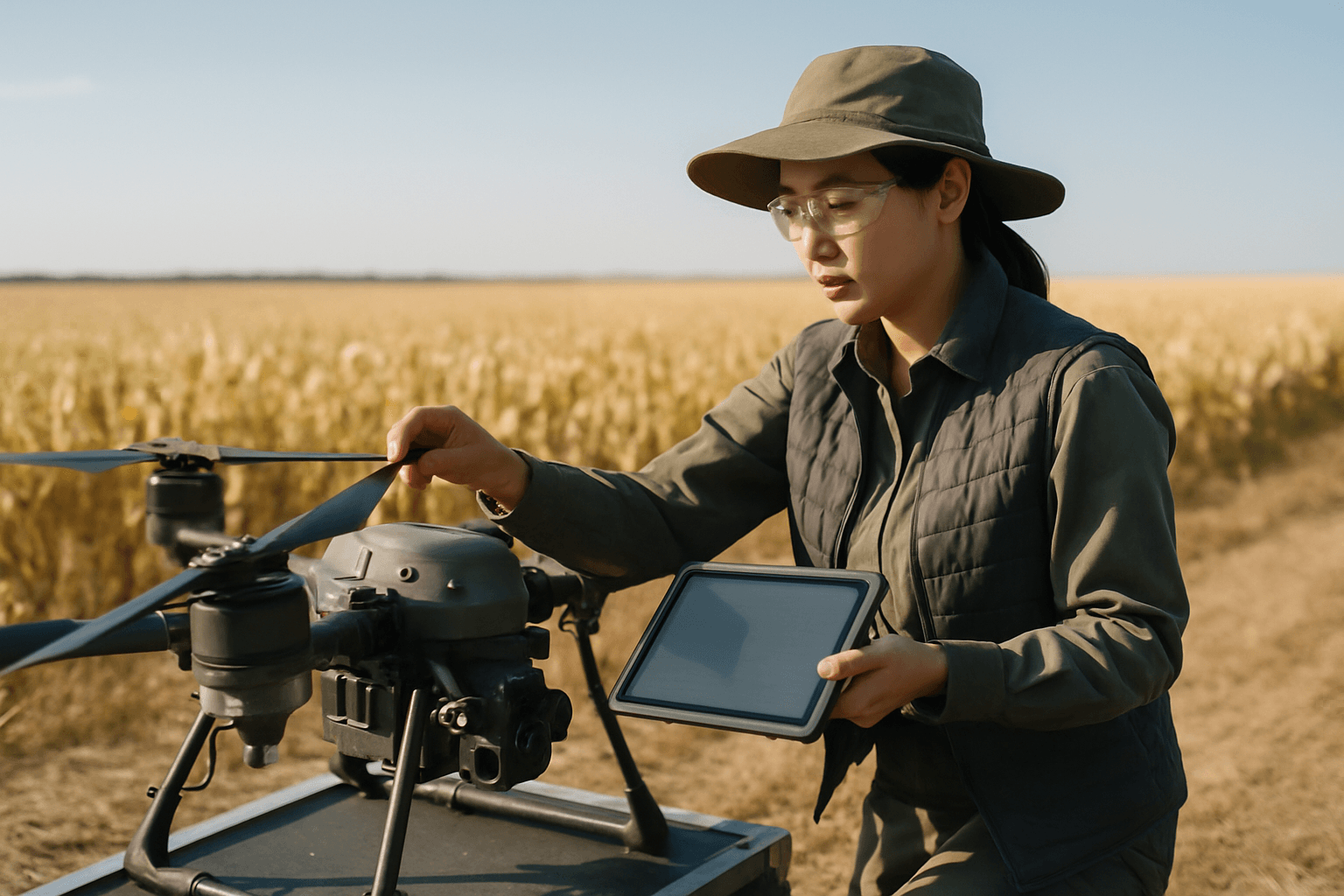
The integration of drones into precision agriculture has revolutionized farming practices, offering unprecedented benefits in crop monitoring, precise pesticide application, and efficient land surveying. However, to fully harness this technology, agricultural operators must navigate a complex landscape of regulations to ensure safe, legal, and responsible drone use. Compliance is not merely a formality; it is crucial for maximizing efficiency, minimizing risks, and avoiding significant legal penalties.
Understanding the Regulatory Landscape for Agricultural Drones
The use of drones in agriculture is primarily governed by aviation authorities, such as the Federal Aviation Administration (FAA) in the United States, alongside state and local agricultural departments. These bodies establish rules to ensure safety in national airspace, manage pesticide use, and address data privacy concerns.
Federal Aviation Administration (FAA) Requirements
In the U.S., agricultural drone operations are classified as commercial use, falling under FAA Part 107 rules.
Key FAA requirements include:
- Remote Pilot Certificate: All individuals operating a drone for commercial agricultural purposes must obtain a Remote Pilot Certificate (often referred to as a Part 107 license). This requires passing an Aeronautical Knowledge Test covering topics like airspace classification, weather, and emergency procedures. The certificate is valid for 24 months and requires renewal.
- Drone Registration: All commercial drones, regardless of weight, must be registered with the FAA. A unique registration number must be visibly marked on the aircraft. For drones weighing less than 55 pounds, registration is typically done online via the FAA’s DroneZone system and is valid for three years. For heavier drones (over 55 pounds), a paper-based registration under FAA Part 47 is required, assigning the drone an “N Number”.
- Remote ID: Drones are required to have approved Remote ID technology, which broadcasts identification and location information in real-time to enhance airspace awareness and security. There is no option to opt out of this program for registered drones.
- Operational Limitations: Part 107 outlines specific operational restrictions, including maintaining visual line-of-sight (VLOS), flying only during daylight or civil twilight with anti-collision lighting, not exceeding 100 mph or 400 feet above ground level, and yielding right-of-way to other aircraft. Operations in controlled airspace (Class B, C, D, E) require Air Traffic Control (ATC) permission.
- Part 137 Agricultural Aircraft Operator Certificate: For drones used to dispense substances like pesticides, plant regulators, or fertilizers, operators must obtain an Agricultural Aircraft Operator Certificate (AAOC) under FAA Part 137. This involves submitting an application detailing operations, types of chemicals, and operational areas. Compliance with stringent safety protocols for handling and storage of materials and preventing environmental contamination is also required. An on-site inspection by the FAA may occur to ensure safety and operational standards are met.
- Exemptions for Heavier Drones (over 55 pounds): Drones exceeding 55 pounds, especially those used for spraying, often require specific exemptions, such as the FAA 44807 Exemption. This exemption allows for operations that surpass the standard Part 107 weight limit and may cover activities like Beyond Visual Line of Sight (BVLOS), nighttime flights, and chemical handling. Obtaining this requires detailed documentation on the drone’s safety features, reliability, and operational protocols.
State and Local Agricultural Regulations
Beyond federal aviation rules, states and local jurisdictions often have additional requirements, particularly concerning pesticide application.
- Pesticide Applicator Licenses: Many states require an Aerial Commercial Applicator License for individuals applying pesticides via drone. Specific requirements vary by state but typically involve completing an approved training program, passing an exam, and demonstrating practical skills. These licenses ensure operators understand local agricultural practices, pest control methods, and environmental laws.
- Product Label Compliance: When applying pesticides, operators must strictly adhere to the product label directions. This includes ensuring the label does not prohibit aerial application, that the drone application is consistent with specified rates and concentrations, and that all other use directions and safety precautions are followed.
- Registration with State Departments of Agriculture: Some states may require additional registration of drones with their respective departments of agriculture after FAA registration.
- Insurance: While not always federally mandated, liability insurance is strongly recommended, and sometimes required, especially when charging a fee for services. Traditional commercial insurance policies may not adequately cover drone-related risks, necessitating specific drone liability endorsements.
Data Privacy and Cybersecurity in Agricultural Drone Operations
Drones collect vast amounts of sensitive data, from crop yields and soil conditions to images of private property, raising significant privacy and cybersecurity concerns.
Data Privacy Concerns
- Sensitive Farm Data: Information on crop health, soil conditions, and proprietary farming techniques is valuable and could be misused if accessed by competitors or malicious entities.
- Personal Data and Privacy: Drones with cameras can inadvertently capture images of individuals or private property, leading to invasion of privacy concerns. Legal frameworks like GDPR may apply if personally identifiable information (PII) is collected.
- Data Ownership: The legal ownership of data collected by drones in precision agriculture can be complex, involving farmers, technology providers, and equipment manufacturers.
Cybersecurity Risks
- False Data Injection: Malicious actors could inject falsified data into drone systems, leading to inaccurate assessments and suboptimal resource allocation.
- Hacking and Unauthorized Access: Drone systems, particularly ground control systems, are vulnerable to hacking, which could lead to data theft, malicious commands, or even drone hijacking.
- Denial-of-Service (DoS) and GPS Spoofing: These attacks can disrupt drone operations, causing downtime or misdirection.
Safeguarding Data
To mitigate these risks, operators should:
- Implement Strong Security Protocols: Practice good cybersecurity hygiene, including regular security audits and training.
- Ensure Data Encryption: Implement mandatory data encryption for collected data.
- Review Privacy Controls: Utilize and enhance privacy controls available on drone models.
- Be Aware of Data Collection Defaults: Understand what data drones collect by default; for example, some manufacturers state they do not collect flight logs, photos, or videos by default.
Best Practices for Drone Compliance in Agriculture
Ensuring compliance requires a proactive and continuous effort.
Step-by-Step Compliance
- Educate Yourself: Thoroughly understand all applicable FAA regulations (Part 107, Part 137) and state/local agricultural rules.
- Obtain Necessary Certifications: Secure the FAA Part 107 Remote Pilot Certificate, and if applying chemicals, the FAA Part 137 Agricultural Aircraft Operator Certificate and relevant state pesticide applicator licenses.
- Register Your Drone(s): Register all commercial drones with the FAA and ensure visible marking of the registration number. Follow specific registration processes for drones over 55 pounds.
- Seek Exemptions as Needed: Apply for FAA exemptions (e.g., 44807 Exemption for heavier drones, BVLOS, nighttime operations) well in advance of planned operations.
- Develop Flight Plans: Create detailed flight plans considering weather conditions, altitude limits, restricted airspace, and privacy laws.
- Conduct Pre-Flight Checks: Perform thorough pre-flight safety inspections to ensure no equipment damage or malfunctions.
- Maintain Records: Keep detailed flight logs, maintenance records, and records of chemical applications for accountability and regulatory standards.
- Stay Updated: Regulations can change, so it is crucial to stay informed about the latest FAA advisories, state law updates, and industry best practices.
- Consider Professional Training: Enroll in specialized agricultural drone pilot training courses that cover regulations, airspace rules, flight planning, risk management, and data workflows.
- Secure Insurance: Obtain adequate liability insurance specifically covering drone operations to protect against potential claims of privacy violations, bodily injury, or property damage.
By diligently adhering to these regulations and best practices, agricultural operators can unlock the full potential of drone technology, contributing to more efficient, sustainable, and compliant farming operations.