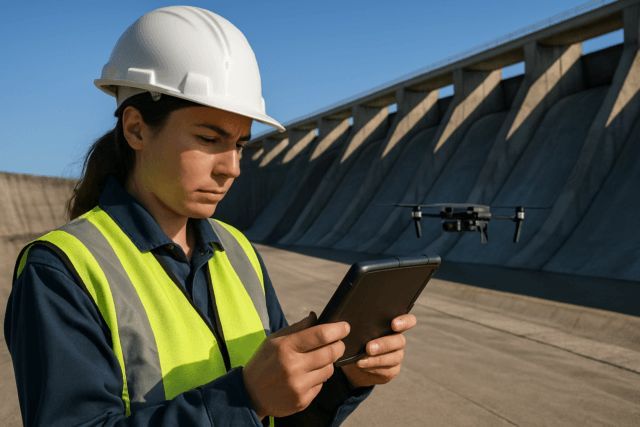

The hum of propellers overhead may soon become as familiar as the rumble of delivery trucks on the ground, signaling a profound shift in how goods are transported. Drone delivery services, once a futuristic concept, are rapidly evolving into a viable solution for the complex challenges of modern logistics. By leveraging the agility and speed of Unmanned Aerial Vehicles (UAVs), businesses are finding innovative ways to integrate drone technology into existing supply chains, promising enhanced efficiency, reduced costs, and expanded reach. This integration, while transformative, requires navigating a landscape of technological advancements, regulatory hurdles, and strategic operational adjustments to unlock its full potential.
The Current Landscape of Drone Logistics Integration
The integration of drones into logistics is no longer a distant dream but a growing reality in various parts of the world. In 2023, over 2,000 drone deliveries were made daily worldwide, averaging 1.5 deliveries per minute, underscoring the tangible impact of UAS technology. The global drone delivery market is projected to reach approximately $0.7 billion USD in 2024 and is expected to grow at a compound annual growth rate (CAGR) of 20.3% over the next decade.
Drones are increasingly being adopted to complement traditional delivery methods, such as trucks and vans, creating a more flexible and responsive network, particularly for last-mile and mid-mile supply chains. Companies like Wing (from Google) and Zipline have launched pilot programs in semi-urban areas of the United States and Australia, demonstrating the viability of drones for small, high-demand packages, reducing delivery times by 50% and logistics costs by 30%. Zipline, the world’s largest autonomous delivery system, has already made millions of autonomous commercial flights.
Beyond commercial package delivery, drones are revolutionizing specific sectors. In Africa, drones have transformed medical logistics since 2016, with over 292,000 deliveries in Ghana alone in 2023, transporting critical supplies like blood bags, vaccines, and laboratory samples to remote regions. This has increased logistical efficiency by 50% and reduced transport costs by 30% in healthcare. Drones are also enhancing maritime operations by delivering cargo between ships and shore in congested ports, improving efficiency and safety.
Key Methods of Drone Integration in Logistics
The integration of drones isn’t a one-size-fits-all approach; it encompasses several strategic models designed to optimize different stages of the supply chain.
Last-Mile Delivery
This is arguably the most recognized application, addressing the “last-mile problem” – the most expensive and time-consuming segment of delivery. Drones bypass urban congestion and challenging terrain, delivering packages directly from local hubs to customer doorsteps. Companies like Wing, Flytrex, and Amazon Prime Air are actively pursuing this model, delivering everything from food and coffee to medical supplies and small packages. This reduces delivery times from hours to minutes and can significantly lower operational costs by avoiding fuel and labor expenses associated with traditional vehicles.
Hub-to-Hub and Mid-Mile Logistics
While last-mile focuses on the final leg, drones are also being explored for transporting goods between distribution centers or specialized hubs. Matternet, for instance, delivers medical supplies between facilities over longer distances. This “middle-mile” application can be particularly effective in areas where ground infrastructure is limited or for urgent transfers. The concept of “drone-truck” systems, where drones launch from and return to moving trucks, further extends their reach and efficiency.
Specialized Internal Logistics and Inventory Management
Within large warehouses and industrial complexes, drones are already providing valuable services. They are used for inventory management and order picking, checking stocks, and transporting items that are difficult to reach. Equipped with scanning technology, drones can significantly accelerate these processes, saving manpower and time while improving accuracy. Surveillance and inspection of large logistics centers and their outdoor areas also benefit from drone integration, enhancing security and operational oversight.
Overcoming Integration Challenges
Despite the immense potential, integrating drones into existing logistics infrastructure comes with significant hurdles that require concerted effort from industry, technology developers, and regulatory bodies.
Regulatory Hurdles and Airspace Management
One of the most immediate and complex challenges is the regulatory landscape. Governments are cautiously integrating drones into already crowded airspace, leading to strict rules regarding flight paths, altitude, and licensing. Beyond Visual Line of Sight (BVLOS) operations, crucial for scalable delivery, require advanced regulatory approvals. Bodies like the FAA in the United States and EASA in Europe are continuously developing frameworks, with updates allowing for routine BVLOS operations, mandatory Remote ID implementation, and Unmanned Traffic Management (UTM) system integration. This evolving regulatory environment needs to become more standardized and harmonized globally to support widespread adoption.
Technical Limitations
Current drone technology still faces limitations in payload capacity and battery life. Most delivery drones can carry between 2 to 5 kilograms and have flight times of 30 to 60 minutes, restricting their utility to lightweight, short-distance deliveries. While advancements in battery technology and lightweight materials are improving these capabilities, the need for drones with higher payload capacities (e.g., above 100 kg for offshore platforms) remains a challenge. Operating in adverse weather conditions like strong winds, rain, or snow also presents technical difficulties.
Infrastructure and Operational Complexities
Integrating drones requires new physical and digital infrastructure. This includes dedicated drone ports, charging stations, and landing pads strategically located for efficient operations. For urban areas, landing options in dense inner-city environments remain a significant barrier. Furthermore, integrating drone operations with existing Warehouse Management Systems (WMS) and Transport Management Systems (TMS) is essential for seamless coordination from fulfillment centers to customers. Public perception and trust, along with privacy and security risks, also need to be managed carefully for broader acceptance.
Technologies Facilitating Seamless Integration
The successful integration of drones hinges on a suite of cutting-edge technologies that enhance their autonomy, safety, and efficiency.
Artificial Intelligence (AI) and Machine Learning (ML)
AI is a game-changer, providing drones with the intelligence for autonomous navigation, decision-making, and obstacle avoidance. AI algorithms enable drones to learn from their environment, adapt to changing conditions, optimize flight paths, and perform real-time collision avoidance. This is crucial for navigating complex urban environments with minimal human intervention.
Unmanned Traffic Management (UTM) Systems
UTM systems are pivotal for safely integrating drones into shared airspace, especially in urban environments. These systems provide services such as flight planning, airspace operations and management, weather forecasting, and congestion and separation management. Mandatory UTM integration for delivery operations, as seen in updated FAA regulations, ensures that drones can operate seamlessly and safely alongside other aerial vehicles. EASA’s U-Space concept further emphasizes the importance of UTM in enabling safe drone operations in populated areas.
Advanced Navigation and Communication Systems
Robust GPS integration, real-time tracking, and sophisticated sensor technology are fundamental for precise and accurate deliveries. Communication networks, often leveraging 5G connectivity, provide real-time connectivity for dynamic rerouting, efficient control between ground stations and drones, and enhanced situational awareness. These systems collect telemetry data, flight performance, and environmental feedback, critical for compliance, predictive maintenance, and fleet optimization.
Drone Ports and Ground Infrastructure
The development of specialized drone ports and hubs is critical for supporting large-scale drone delivery operations. These facilities serve as central locations for package sorting and loading, maintenance centers for drone fleets, and charging points to address battery limitations. Integrating these physical structures with a robust communication infrastructure is essential for successful operations.
Real-World Examples and Future Outlook
Several companies and initiatives are at the forefront of integrating drones into logistics:
- Zipline: Known for its extensive medical delivery network in Africa, Zipline is also expanding into retail logistics, partnering with companies like Walmart. Its system specializes in on-demand delivery, capable of operating in diverse conditions.
- Wing: Google’s drone delivery service has conducted numerous tests and launched commercial services in the U.S. and Australia, focusing on small, high-demand packages in suburban areas.
- Matternet: This company specializes in delivering medical supplies, vaccines, and lab samples, operating in various regions including Switzerland and North Carolina, with drones designed for BVLOS flights.
- Amazon Prime Air: Amazon is actively investing in drone delivery, aiming for rapid delivery of small packages, integrating with its vast e-commerce network.
- JD.com: In China, JD.com has deployed drone delivery routes in mountainous and hard-to-reach rural areas since 2016, proving the technology’s effectiveness in challenging terrains.
The future of drone integration in logistics is characterized by continued technological advancements, particularly in battery life, payload capacity, and autonomous capabilities. Regulatory frameworks are expected to become more standardized, enabling fully autonomous drone fleets without continuous remote pilot intervention and the establishment of inter-city drone corridors. The integration with Urban Air Mobility (UAM) concepts aims to create comprehensive aerial transportation networks, further enhancing urban logistics and reducing ground congestion. As these developments mature, drones are poised to become an indispensable part of the logistics ecosystem, redefining efficiency, speed, and sustainability in the delivery of goods worldwide.