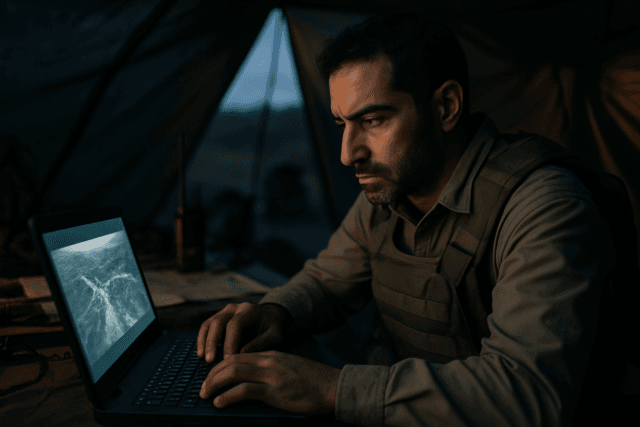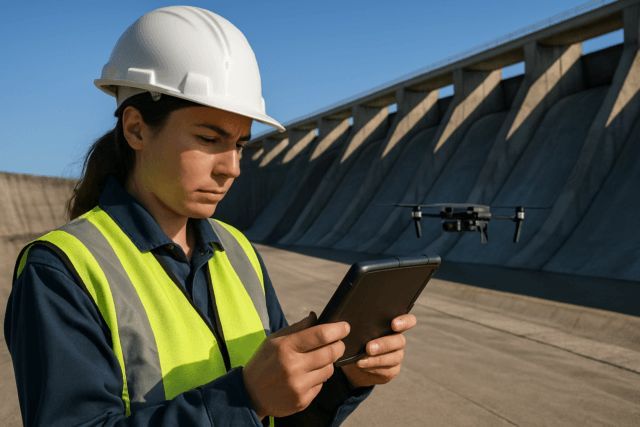
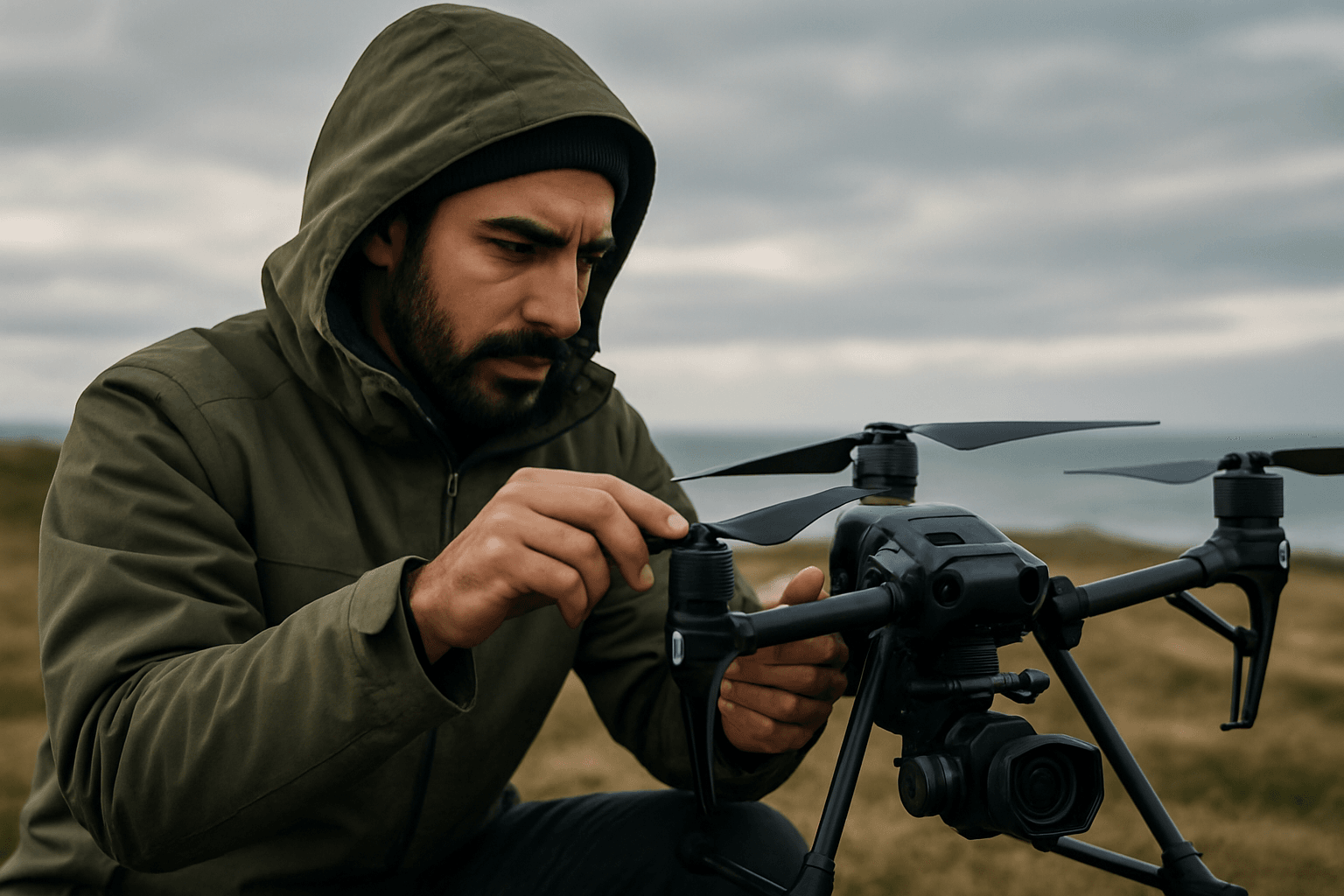
The allure of capturing breathtaking aerial footage often clashes with the unpredictable realities of nature. While clear, calm skies offer ideal conditions for drone cinematography, the most dramatic and unique shots frequently emerge from challenging weather. From the biting chill of winter landscapes to the dynamic sweep of a windy coast, harnessing your drone’s capabilities in adverse conditions can elevate your cinematic storytelling. However, doing so requires meticulous preparation, a deep understanding of your equipment’s limits, and an unwavering commitment to safety. This guide delves into essential tips and techniques for drone pilots aiming to capture stunning aerial visuals when the weather refuses to cooperate.
General Principles for Challenging Weather Cinematography
Before even considering a flight in less-than-ideal conditions, a robust framework of preparation and safety is paramount. Professional drone operations often involve multiple people and require coordination with other aircraft or ground personnel, emphasizing the need for clear communication and defined roles.
Thorough Pre-Flight Checklist
A comprehensive pre-flight checklist is your first line of defense against unforeseen issues. Beyond standard checks, challenging weather demands heightened attention to specific components:
- Physical Inspection: Scrutinize the drone’s frame for cracks, loose parts, and signs of wear. Even a minor crack near a motor mount can lead to major failure in flight. Inspect propellers for nicks or chips, which can cause vibrations and premature failure.
- Gimbal Inspection: Ensure the gimbal is free of physical obstructions, has secure connections, and moves smoothly. Subtle gimbal problems can worsen rapidly during operation.
- Firmware and Software: Install any necessary firmware updates well before critical missions to allow time for testing. Conduct test flights in a safe area after updates to verify functionality. Also, ensure all apps (e.g., DroneDeploy, DJI) and mobile devices are updated and fully charged.
- SD Card: Always format your SD card before leaving for a shoot and ensure ample storage space.
Advanced Weather Monitoring
General weather reports are insufficient for drone operations. Experienced pilots utilize specialized forecasting tools like UAV Forecast for hyperlocal, altitude-specific predictions.
- Wind Speed and Direction: This is critical. Wind speeds exceeding two-thirds of your drone’s maximum speed generally indicate unsafe flying conditions. Be aware that gusts can appear without warning, especially in exposed areas.
- Precipitation: Avoid flying if there’s a chance of rain, snow, or even heavy fog, as moisture can damage motors, compromise batteries, and obscure camera lenses. Most consumer drones are not waterproof.
- Temperature Extremes: Both cold and hot temperatures significantly impact battery performance and overall drone functionality.
- Visibility: Low clouds, fog, and precipitation reduce visual line of sight (VLOS), which is a legal requirement in many regions.
Pilot Preparedness and Safety
Your own condition is as vital as your drone’s.
- Physical Comfort: In cold weather, wear touchscreen-compatible gloves to maintain control without exposing your hands. In hot weather, stay hydrated and plan for shorter flights to avoid exhaustion and compromised decision-making.
- Site Survey: Before takeoff, thoroughly check your flying environment for overhead wires, pylons, other people, animals, and potential obstacles. Ensure your flight zone is clear and plan safe takeoff and landing spots.
Conquering Specific Weather Challenges
Each challenging weather condition presents unique hurdles and demands specific adjustments for optimal cinematic results and safe drone operation.
Battling the Wind
Wind is arguably the most common and challenging adversary for drone pilots, affecting stability, control, and battery life.
- Know Your Drone’s Limits: Consult your drone’s manual for its maximum wind resistance. Heavier, larger drones like the DJI Phantom series or Mavic 3 Pro tend to handle strong winds better than smaller models.
- Increase Gimbal Stabilization: To counteract drone movement caused by wind, increase the gimbal’s stabilization settings.
- Shorter Shutter Speeds: Use shorter shutter speeds to reduce motion blur from drone movement in windy conditions.
- Strategic Flight Paths: Fly against the wind initially to gauge battery drain and have the wind assist your return flight. Avoid flying too far, and plan shorter flights as wind drains batteries faster.
- Takeoff and Landing: Choose sheltered spots for launch, such as behind buildings or trees. Position the drone with the camera facing the wind for smoother ascension. Consider hand-launching and catching in very windy conditions, keeping the drone level to prevent tipping.
- Lower Altitude: Wind speeds generally increase with altitude, so flying closer to the ground can help maintain stability.
- Sport Mode: If your drone has a “Sport Mode,” it can provide more power to fight the wind, though it will consume battery faster.
Navigating Cold and Snow
Winter conditions, while offering stunning visuals, pose significant threats to drone components, especially batteries.
- Battery Management is Critical: Lithium-ion (Li-ion) batteries lose capacity and efficiency in cold temperatures, potentially reducing flight time by 30-50%.
- Pre-heat Batteries: Before flight, warm batteries to above 20°C (68°F). Keep spare batteries warm in insulated containers or an inside jacket pocket.
- Gentle Controls: Push control sticks gently to prevent sudden battery voltage drops.
- Hover to Warm Up: After takeoff, hover the drone for about a minute at a low altitude to allow the battery and motors to warm up gradually.
- Monitor Closely: Continuously check battery status during flight, planning shorter sessions and landing with more reserve power (e.g., 40-50% instead of 20-25%).
- Drone Acclimation: Allow the drone’s body to acclimate to the ambient cold temperature before flight to prevent snow from melting and refreezing on it.
- Avoid Direct Contact with Snow: Moisture can damage motors and electronics. Use a landing pad or hand-launch/catch to avoid snow contact.
- Beware of Ice Buildup: In light snow or fog, ice can build up on propellers, causing vibrations and potential crashes. Inspect propellers frequently.
- Camera Settings: Manually adjust exposure and white balance for snow. Auto mode often underexposes snow, making it appear grey or dark. Slightly overexpose to compensate. Flying backward can also prevent snow from getting stuck on the lens.
- Visibility: Cold air can cause lens fogging or frost, resulting in dull, misty, or discolored footage.
Managing Heat and Humidity
While less dramatic than winter, hot and humid conditions present their own set of challenges.
- Overheating: Excessive heat can lead to thermal throttling in processors and sensors, reducing responsiveness or causing image lag. Internal components and batteries can heat up beyond the ambient temperature.
- Shorten Flights: Extended flights in high temperatures can cause overheating. Opt for shorter sessions and take breaks to allow the drone and electronics to cool down.
- Avoid Hottest Hours: Fly during cooler parts of the day, such as early morning or late evening, which also often offer more cinematic light.
- Protect from Direct Sun: Keep the drone shaded when not in use. Never leave batteries or the drone in a hot car, as interior temperatures can rise rapidly and damage LiPo batteries.
- Battery Performance: High temperatures strain battery chemistry, potentially causing cells to inflate and shortening overall lifespan. Ensure batteries are fully charged and properly cooled before flight.
- Air Density: Hot air is less dense, which can reduce the drone’s aerodynamic performance, affecting handling and stability, especially at higher altitudes.
- Humidity: Moisture-laden air can increase the risk of lens fog, particularly during sunrise or sunset shoots. Condensation can affect optical sensors and cameras.
Addressing Rain and Moisture
For most consumer drones, rain is a significant hazard and generally advises against flying in any precipitation.
- Not Waterproof: The majority of consumer drones are not waterproof or water-resistant. Flying in rain risks short circuits, motor failure due to water ingress, decreased sensor visibility, and long-term corrosion.
- Warranty Void: Water damage is rarely covered under warranty unless the drone is explicitly rated for wet conditions.
- Enterprise Drones as Exception: Certain enterprise-grade drones, like the DJI Matrice series, have IP (Ingress Protection) ratings that allow them to operate in light to moderate rain.
- If Caught in Light Rain: If absolutely necessary and the rain is a light mist (no visible droplets), some experienced pilots might cautiously consider short flights in specific, isolated locations. However, this carries significant risk.
- Protect Camera: Flying backward or pointing the camera down can reduce raindrops on the lens. If a drop appears, flicking the gimbal up and down might dislodge it.
- Dry Immediately: If your drone gets wet, land immediately, dry it thoroughly, and if possible, turn it back on for a short period in a warm environment to help evaporate internal moisture.
- Compromised Imaging: Raindrops on the camera lens or gimbal can render footage unusable, creating smearing and refraction artifacts.
Overcoming Low Light and Visibility (Fog/Mist)
Challenging visibility conditions can present unique creative opportunities but also increase safety risks.
- Reduced Visibility: Fog, mist, and low clouds make maintaining visual line of sight difficult and can interfere with optical sensors.
- Camera Settings: Invest in drones with advanced low-light capabilities (larger image sensors, adjustable aperture). Adjust exposure and ISO, typically starting with a lower ISO to minimize noise. Use ND filters in brighter low-light conditions to maintain exposure.
- Acclimatization: If moving from a warm indoor environment to cold, foggy conditions, allow the drone to acclimatize to prevent lens fogging.
- Strong GPS Signal: Ensure a strong GPS lock before takeoff, as weak signals can compromise control.
Essential Gear and Settings for Adverse Conditions
Beyond general precautions, specific equipment choices and camera settings can significantly enhance your chances of success and safety.
Choosing a Resilient Drone
While most consumer drones are not designed for extreme conditions, some models offer better resilience.
- Stability and Responsiveness: Look for drones known for stability and responsiveness in challenging conditions. Models like the DJI Mavic 4 Pro and DJI Air 3S are noted for enhanced flight stability and precision control. Professional cinema drones like the DJI Inspire 3 or MFD 5000 are built for demanding environments and can carry more sophisticated, heavier cameras, often with robust build quality.
- Gimbal Stabilization: A high-quality three-axis gimbal is crucial for smooth footage, especially in windy conditions.
- Obstacle Avoidance: Advanced obstacle sensing systems are invaluable, particularly when visibility is compromised.
- Battery Life: Longer flight times are always beneficial, but especially in challenging weather where extra power is needed to fight elements like wind.
Camera Settings for Dynamic Conditions
Adjusting your camera settings is vital to achieve cinematic quality when lighting and environmental factors are in flux.
- Shutter Speed: Use shorter shutter speeds in windy conditions to minimize motion blur. For dynamic scenes, a fast shutter speed (1/500 to 1/1000 or faster) can freeze motion.
- Aperture and ISO: Adjust aperture to control depth of field and exposure. Keep ISO as low as possible (100-200) to minimize noise, especially in bright conditions.
- White Balance: Manually set white balance to match lighting conditions and ensure natural color tones, particularly important in snowy or overcast environments to avoid dull or grey tones.
- ND Filters: Neutral Density (ND) filters help reduce the amount of light hitting the sensor, allowing for more cinematic shutter speeds (typically double the frame rate) even in bright conditions. They can also help smooth out footage.
- Exposure Compensation: In snowy conditions, manually add additional stops to slightly overexpose your photos to compensate for the camera’s tendency to underexpose bright snow.
- Focus Mode: For fast-moving subjects or dynamic scenes, continuous autofocus (AF-C) can help maintain sharp focus.
Battery Management in Extremes
As highlighted, battery performance is significantly affected by temperature.
- Pre-heating/Cooling: Always ensure batteries are at an optimal operating temperature (typically 0°C to 40°C or 32°F to 104°F for many drones). Use battery heaters or keep them in warm pockets in cold weather. Avoid direct sunlight exposure in hot weather to prevent overheating.
- Reduced Flight Times: Plan for significantly shorter flight times in both very cold and very hot conditions.
- Ample Reserve Power: Land with more battery reserve than usual, especially in adverse conditions, to account for faster drain and potential unexpected challenges.
Conclusion
Mastering aerial cinematography in challenging weather is a testament to a pilot’s skill, preparation, and judgment. While the temptation to capture that “money shot” in a dramatic storm or a snowy wonderland is strong, safety must always be the top priority. By adhering to rigorous pre-flight checks, diligently monitoring weather conditions with specialized tools, understanding how different elements impact your drone, and adjusting both your flying technique and camera settings accordingly, you can significantly mitigate risks.
Investing in a robust drone, carrying essential accessories like ND filters and extra batteries, and continuously honing your piloting skills are all part of the journey. Remember, sometimes the best tip is to keep your drone grounded if conditions truly pose an unacceptable risk. With careful planning and a cautious approach, even the most challenging weather can yield uniquely stunning aerial cinematography, allowing you to tell stories from perspectives few others dare to capture.