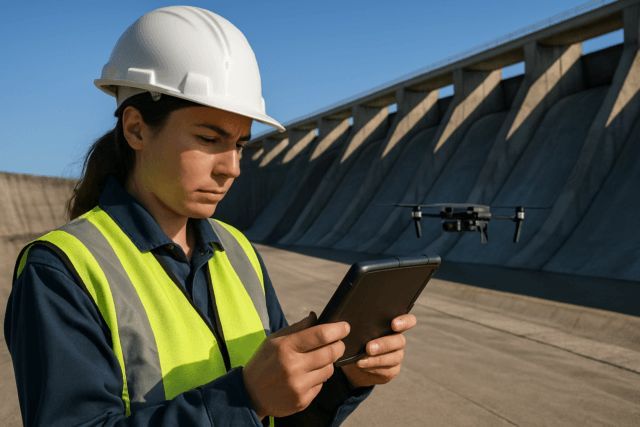

The promise of drone delivery—swift, efficient, and often environmentally friendly—is rapidly transforming logistics, offering a new frontier for package transportation. However, the open skies, while offering unparalleled freedom from road congestion, also present unique challenges, particularly in managing unexpected flight delays. From sudden weather shifts to unforeseen airspace restrictions, drone delivery services employ a sophisticated array of proactive and reactive strategies, underpinned by advanced technology and robust operational protocols, to ensure deliveries remain on track and customer expectations are met.
The Complexities of Drone Delivery Logistics
Drone delivery systems operate in a dynamic environment where numerous factors can impact flight schedules. Unlike traditional ground-based delivery, drones are highly susceptible to microclimates, wind gusts, and regulatory changes in real time. Successfully navigating these variables requires more than just efficient flight; it demands intelligent systems capable of anticipating, adapting to, and mitigating potential delays.
Proactive Measures: Mitigating Delays Before They Happen
The first line of defense against flight delays involves rigorous pre-flight planning and continuous monitoring to identify and address potential issues before a drone even takes off.
Advanced Weather Monitoring and Prediction
Weather is arguably the most critical factor affecting drone operations. Drone delivery services utilize highly granular, hyperlocal weather forecasting systems that can predict conditions down to individual city blocks and at low altitudes. This goes beyond general airport weather reports, which are insufficient for low-altitude drone operations.
These systems monitor:
- Wind Speed and Gusts: Drones have specific wind thresholds, and sudden gusts can destabilize flights or drain batteries. Forecasts provide vertical wind profiles to assess conditions at different altitudes.
- Precipitation and Temperature: Heavy rain can impact GPS connectivity and obstacle avoidance, while extreme temperatures affect battery performance.
- Microclimates: Drones are particularly vulnerable to localized weather phenomena.
Some commercial drones also include onboard weather sensors, contributing to real-time data collection and improving forecast accuracy.
Redundant Systems and Pre-Flight Checks
Before each mission, drones undergo comprehensive pre-flight safety checks. These include verifying battery levels, operational readiness, and confirming the functionality of all sensors and navigation systems. Drone fleets often incorporate redundant systems to account for potential equipment failures, with autonomous emergency procedures designed to land safely in designated areas if a malfunction occurs.
Dynamic Route Planning and Optimization
AI and machine learning are central to dynamic route planning, allowing drones to adapt to changing conditions in real time.
- Real-time Adjustments: Algorithms continuously process live weather data, air traffic, temporary flight restrictions, and no-fly zones to modify flight paths. This ensures drones avoid adverse conditions or congested areas.
- Energy-Aware Routing: Given the limited battery capacity of drones, route optimization also considers energy consumption, adjusting speed and path to conserve power, especially in windy conditions. This can lead to significant energy savings and extended flight ranges.
- Obstacle Avoidance: Advanced sensors and algorithms enable drones to detect and avoid both static obstacles (buildings, power lines) and dynamic ones (other aircraft, birds).
Reactive Strategies: Responding to In-Flight Disruptions
Despite proactive measures, unexpected events can occur during a flight. Drone delivery services have robust reactive strategies to handle these situations.
Real-time Telemetry and Remote Monitoring
Operators monitor drones remotely through real-time telemetry systems, which provide data on location, status, height, speed, and sensor information. This allows ground teams to observe conditions and intervene if necessary. Live video feeds can also be followed on dashboards, enabling program managers to make immediate decisions.
Autonomous Rerouting and Emergency Landing Protocols
When disruptions like sudden severe weather or unexpected airspace conflicts arise, drones can autonomously reroute to a safer path. If rerouting is not feasible, emergency landing protocols are initiated. These protocols enable drones to:
- Initiate Safe Landings: Drones can automatically return to a safe location or land in a pre-designated emergency area in cases of critical failures like battery depletion or motor malfunction. This safeguards the drone, its payload, and public safety.
- Battery Management: Drones are programmed to automatically return to charging stations when battery levels become critically low. This proactive return prevents in-flight power loss.
- Package Security: In emergencies, procedures are in place to safeguard deliveries by landing in secure locations.
Swarm Intelligence and Collaborative Decision-Making
As drone fleets scale, systems are evolving to incorporate “swarm intelligence,” where multiple drones can communicate and coordinate with each other. This allows for collaborative decision-making in response to shared disruptions, potentially enabling rerouting that accounts for the entire fleet’s operational status and shared airspace requirements.
Communication and Customer Expectations
Managing unexpected delays also involves transparent and timely communication with customers.
Transparent Communication Channels
Delivery services aim to provide customers with real-time updates on their package’s status. If a delay occurs, automated systems can inform customers, explaining the reason and providing revised delivery estimates. Building consumer trust and adoption for drone delivery hinges on proving its reliability and effectiveness.
Automated Notifications and Rescheduling
Integrated logistics platforms often feature automated notification systems that alert customers to delays, cancellations, or rescheduling options. This can include re-booking the delivery for a later time or arranging for pickup if the drone returns to a hub.
Regulatory Frameworks and Airspace Management
The safe and efficient operation of drone delivery services is heavily dependent on evolving regulatory frameworks and sophisticated airspace management systems.
Compliance with Aviation Authorities
Drone operators must comply with national aviation regulations, such as the FAA’s Part 107 in the United States, which are continually updated to accommodate commercial drone growth. These regulations cover aspects like Beyond Visual Line of Sight (BVLOS) operations, which are critical for scalable delivery networks and require approved detect-and-avoid systems. In 2025, FAA regulations are moving towards routine approval for BVLOS operations, requiring pre-flight risk assessment and integration with Unmanned Aircraft System Traffic Management (UTM) for traffic deconfliction.
UTM Integration
Unmanned Aircraft System Traffic Management (UTM) systems are crucial for integrating drones safely into shared airspace, especially at low altitudes. UTM platforms provide:
- Real-time Coordination: They enable the digital coordination of various drone operations (delivery, surveillance, emergency services) within the same airspace, preventing conflicts. Companies like Flytrex and Wing are already implementing UTM Strategic Coordination standards for commercial BVLOS operations.
- Flight Authorization and Monitoring: UTM systems facilitate digital flight planning, automated authorizations, and real-time airspace and traffic monitoring.
- Geofencing and No-Fly Zones: These systems enforce geofencing to ensure drones operate within approved corridors and avoid restricted areas.
The Future of Resilient Drone Delivery
Ongoing advancements in technology promise to make drone delivery services even more resilient to unexpected delays.
AI and Machine Learning Enhancements
Artificial intelligence will continue to play a transformative role, making drones smarter, safer, and more efficient.
- Predictive Maintenance: AI-driven battery management systems (BMS) provide real-time monitoring, predict potential failures, and optimize charging cycles, extending battery lifespan and boosting fleet efficiency.
- Adaptive Learning: Reinforcement learning allows drones to continuously learn and adapt optimal flight strategies based on trial and feedback, improving efficiency and safety over time.
- Scalable Solutions: AI will enable the coordination of thousands of autonomous drones, managing airspace congestion and minimizing mid-air conflicts as urban skies become more crowded.
Robust Hardware and Battery Technology
Advances in drone hardware and battery technology are critical for extending flight times and improving resilience.
- High-Energy Density Batteries: Technologies like solid-state batteries and improved Lithium-Polymer (LiPo) cells offer significantly higher energy density, extending flight ranges and payload capacities. Solid-state batteries, in particular, are expected to revolutionize drone endurance, with commercial rollout projected in Q1 2025.
- Fast Charging: Innovations in ultra-fast charging allow drones to reach 80% charge in under 10 minutes, drastically reducing turnaround times and enabling more daily flights.
- Weather-Resistant Designs: Drones are being designed with enhanced materials and weather-resistant features to withstand harsher conditions, improving reliability.
By integrating these advanced technological solutions and adhering to evolving regulatory frameworks, drone delivery services are building a robust and resilient infrastructure capable of minimizing and effectively managing unexpected flight delays, bringing the future of rapid, aerial delivery closer to reality.