The burgeoning industry of drone delivery promises unprecedented speed and efficiency, with companies like Amazon and Walmart actively investing in the technology to autonomously deliver packages to homes. While the convenience is undeniable, this technological leap also brings significant privacy concerns, primarily stemming from the pervasive tracking and data collection capabilities inherent in drone operations. As Unmanned Aerial Vehicles (UAVs) become more integrated into commercial logistics, understanding and mitigating these privacy risks are paramount for public acceptance and regulatory compliance.
Unintentional Invasion of Privacy and Constant Surveillance
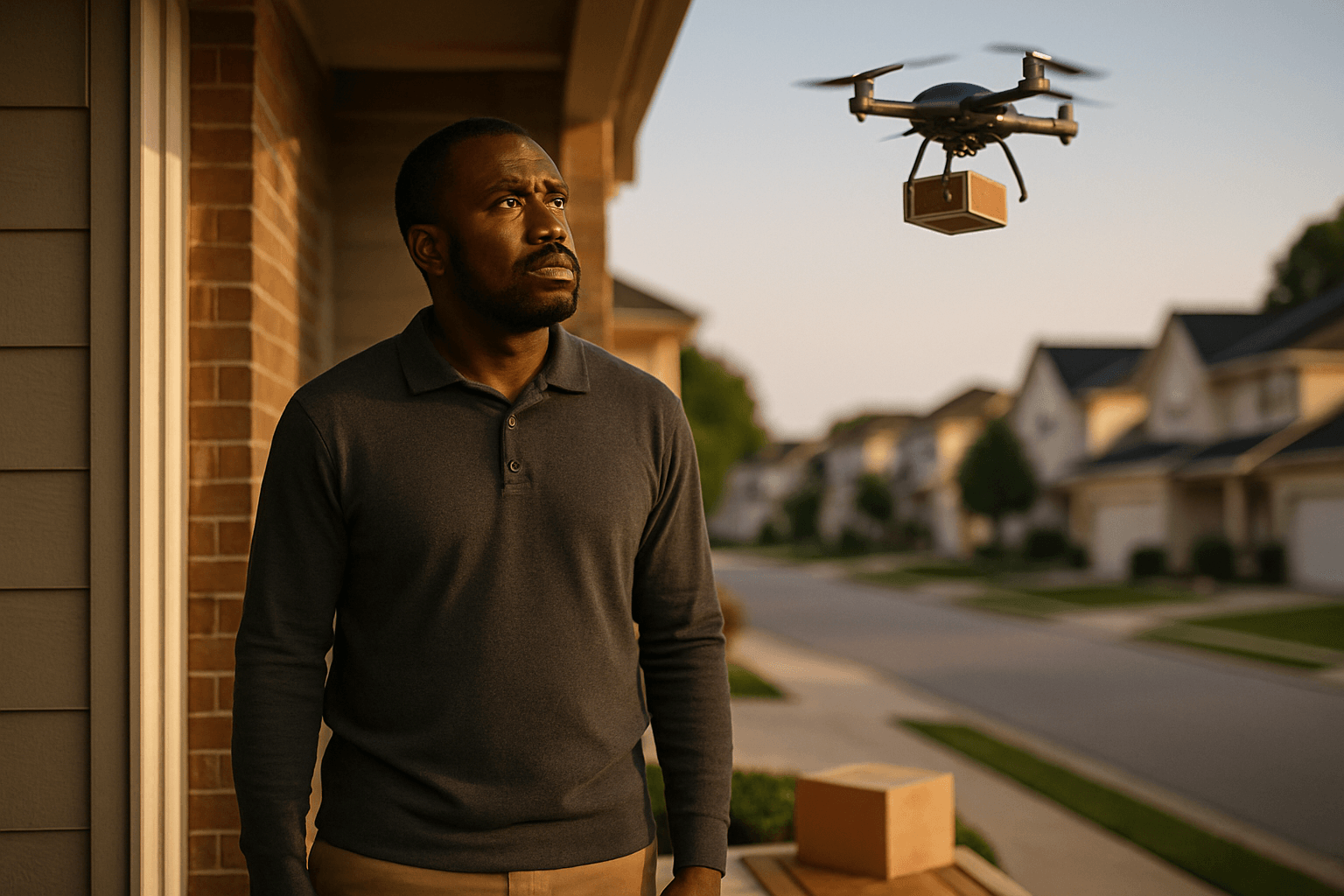
One of the most immediate privacy concerns with drone delivery is the potential for unintentional invasion of privacy and the feeling of constant surveillance. Drones equipped with high-resolution cameras, video recording capabilities, audio sensors, and even thermal imaging can capture images and videos of individuals and their private properties without consent. This issue becomes particularly acute as drones fly over residential areas, potentially peering into backyards, balconies, and even windows, disrupting residents’ sense of security and tranquility. Such persistent aerial observation can create a “chilling effect,” where individuals alter their behavior due to the fear of constant monitoring.
The data collected by these drones isn’t limited to just visual feeds. It can include precise geolocation data, flight patterns, delivery routes, and observations of the surrounding environment. While companies may argue these cameras are for operational purposes, there is a possibility of misuse or unauthorized access to the recorded materials, leading to severe consequences for individuals and businesses.
Data Collection, Storage, and Third-Party Sharing
Delivery drones collect a wide array of data beyond just ensuring a successful drop-off. This can include sensitive personal information, flight telemetry, and even observations of surrounding environments, including private properties. For instance, Amazon has patented technology allowing drones to scan and collect data from houses along their flight path, potentially identifying issues like damaged roofs or unhealthy trees and then notifying customers. While potentially useful, this raises serious questions about the scope of data collection and its intended use.
The vast amounts of data collected by drones must be stored and processed, creating vulnerabilities to cybersecurity threats. Data breaches could compromise sensitive personal information, including delivery addresses, contact details, and even purchase history. Drones rely on GPS, cloud connectivity, and wireless networks, all of which are susceptible to hacking, potentially leading to GPS spoofing, unauthorized access, or data breaches.
Furthermore, the collected data, especially information related to customer purchasing habits or location, holds significant commercial value. Without clear regulations, there’s a risk that this data could be shared with or sold to third parties, including advertisers or data brokers, raising concerns about targeted advertisements and inferences about personal information, such as health-related purchases. Consumers often lack control over how their data is used and shared once collected by delivery companies.
Regulatory Challenges and Legal Gray Areas
The rapid integration of autonomous drones into civilian airspace has often outpaced the development of comprehensive regulatory frameworks, leaving significant gaps in drone-specific privacy legislation. Many existing laws focus on how drones are operated rather than the specific privacy issues they create. The unique characteristics of drones, such as their mobility and subtlety in capturing data, challenge traditional privacy concepts based on physical boundaries, leading to uncertainty for both operators and individuals.
While the Federal Aviation Administration (FAA) in the US sets rules for safety, including remote identification (Remote ID) regulations that mandate drones to broadcast their in-flight location and a unique identifier, this very regulation introduces a privacy risk. Third parties can intercept this broadcasted location information to track flight patterns and infer sensitive details, such as where a customer receives packages and how often, leading to a loss of anonymity.
State and local laws regarding drone operations, particularly concerning privacy and flying over private properties without consent, can vary significantly, creating a “patchwork of regulations” and legal skirmishes. While property laws recognize landowners’ rights in low airspace, the application of these rights to drone flight and data capture remains a complex legal area.
Public Perception and Trust
Public perception plays a crucial role in the widespread adoption of drone delivery services. Concerns about privacy are significant, with many people uncomfortable with the idea of drones flying over their neighborhoods and potentially capturing images or videos. Studies indicate that negative perceptions often stem from these privacy fears and safety concerns. Some research suggests that consumers are more inclined to choose ground vehicles over drones due to perceived privacy security, and some are even willing to pay more for privacy-enhanced delivery options.
A 2019 survey found that “invasion of privacy” was ranked as a top concern by 46% of adults regarding drones. Public trust is essential, and this requires clear communication about how the technology works, the safety measures in place, and how data is handled.
Mitigating Privacy Risks
Addressing privacy concerns in drone delivery requires a multi-faceted approach involving technological innovation, robust regulatory frameworks, and transparent practices.
Privacy-by-Design and Data Minimization
Integrating privacy considerations into the design and development of drones from the outset can significantly minimize the potential for privacy breaches. This includes designing systems that collect only the data necessary for safe and efficient delivery, minimizing the capture of incidental personal information.
Secure Data Handling and Anonymization
Robust cybersecurity measures, including advanced encryption, secure communication protocols, and AI-driven cybersecurity monitoring, are crucial to protect collected data from breaches and unauthorized access. Techniques such as data anonymization or obfuscation of delivery paths can also help protect consumer privacy. For instance, drones could be routed to make several stops, making it harder for third parties to infer the final delivery destination and customer information.
Clear Regulations and Accountability
Governments and regulatory bodies need to establish comprehensive and specific guidelines for drone delivery operations that explicitly address data collection, storage, sharing, and retention. These regulations should ensure transparency from drone operators about their data collection practices and provide consumers with control over their personal information. Mechanisms for accountability are essential to ensure that drone operators abide by privacy laws.
Public Engagement and Transparency
Companies offering drone delivery services should be transparent about their privacy policies and how they protect customer data. Educating the public about the technology, its benefits, and the measures in place to protect privacy can help build trust and address misinformation. Consumers should be empowered to ask retailers about their data protection policies for drone deliveries.
In conclusion, while drone delivery offers compelling advantages, the privacy concerns related to surveillance, extensive data collection, and regulatory ambiguities are significant. Balancing innovation with privacy rights is crucial for the successful and ethical integration of drone delivery services into everyday life.