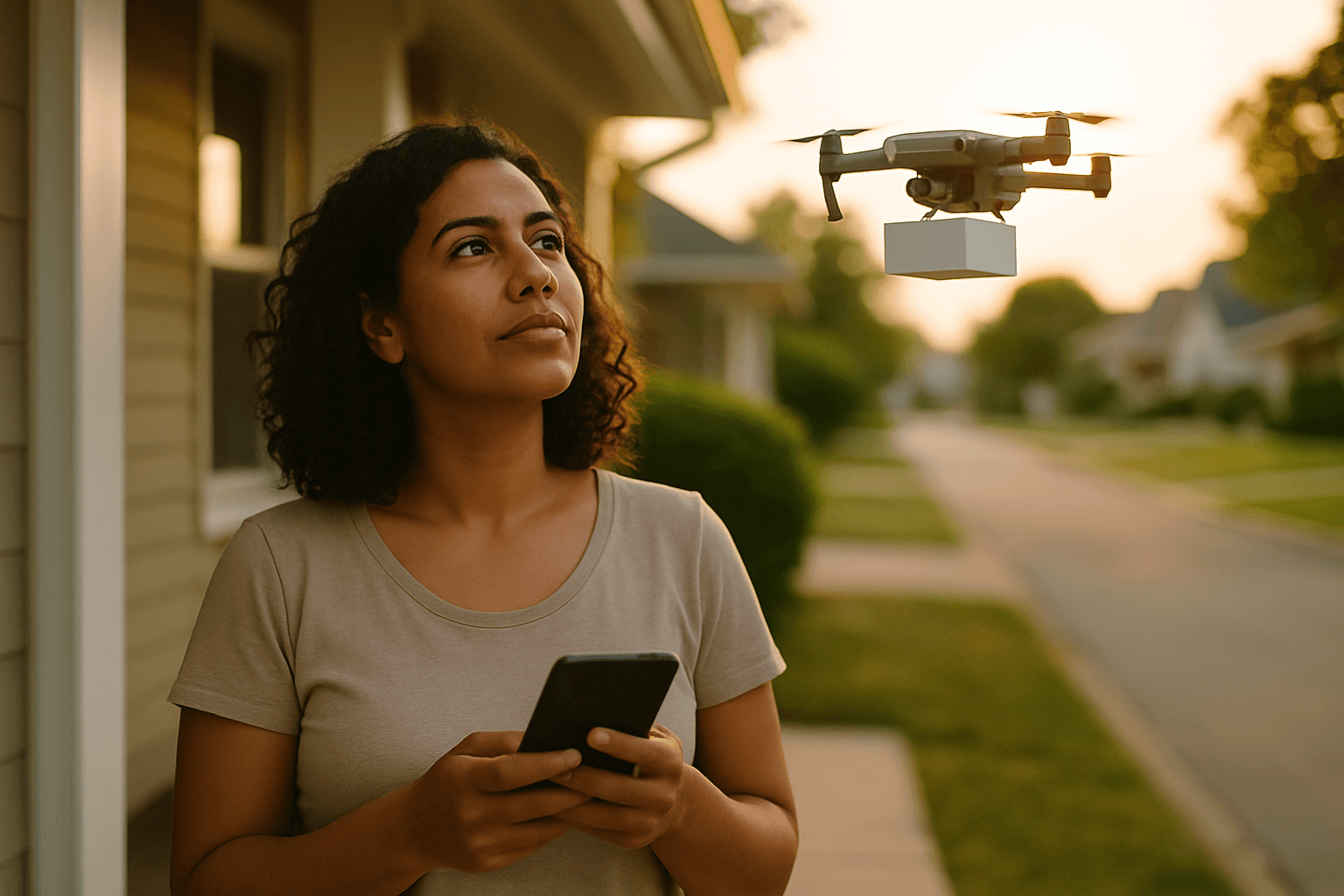
The prospect of drone delivery, where packages descend from the sky to our doorsteps, conjures images of futuristic convenience. While the technological advancements are impressive, the widespread adoption of Unmanned Aerial Vehicles (UAVs) for last-mile delivery ushers in a complex psychological landscape for consumers. Understanding these impacts, from excitement to apprehension, is crucial for companies and policymakers seeking to integrate this innovation successfully into daily life.
The Promise of Convenience and Novelty
At first glance, drone deliveries offer clear psychological benefits rooted in speed, efficiency, and the sheer novelty of the experience.
Instant Gratification and Reduced Waiting Times
One of the most appealing aspects of drone delivery is the promise of significantly faster delivery times, often avoiding traditional traffic delays. This aligns with a consumer desire for instant gratification, reducing the anxiety associated with waiting for a package. The ability to receive items within minutes, particularly for urgent needs like food or medical supplies, can lead to increased customer satisfaction and a positive psychological response.
The “Cool Factor” and Early Adopter Excitement
For many, the sight of a drone delivering a package is still a fascinating and “cool” experience. This novelty factor can generate excitement and positive sentiment, particularly among early adopters and those with a high affinity for new technology. This “hedonic motivation”—the potential fun or pleasure associated with using the technology—plays a significant role in consumer acceptance and willingness to try drone delivery services.
Addressing Consumer Concerns: Privacy, Safety, and Noise
Despite the benefits, the introduction of drones into residential airspace also triggers a range of psychological concerns, which companies must address to foster broad consumer acceptance.
Privacy Invasion and Surveillance Fears
Perhaps the most frequently cited psychological concern is privacy. Drones, especially those equipped with cameras or other recording devices, raise fears of surveillance and the potential for inadvertently capturing unwanted footage of private spaces. Consumers worry about the collection of personal information, the misuse of data, and the ability of third parties to track their purchases by following a drone’s flight path. This perceived privacy vulnerability can lead to increased technological anxiety and a reluctance to adopt drone delivery services. Studies indicate that offering privacy enhancements can significantly increase consumers’ likelihood of choosing drone delivery, and the value of privacy varies across different product types, being particularly high for sensitive items like prescription medications.
Perceptions of Safety and Security Risks
Concerns about safety are also prominent. Consumers fear drones dropping items, potential collisions with people or property, and the reliability of the technology in various conditions, including adverse weather. The unfamiliarity with drone behavior and a lack of understanding of its intentions can lead to feelings of uncertainty and unsafety, particularly during approach and landing. Security risks, such as the potential for drones to be hijacked or interfered with, and packages mishandled or damaged, further contribute to consumer apprehension.
Noise Pollution and Nuisance Factors
The acoustic impact of drone deliveries is another significant psychological factor. Noise pollution from drones, particularly in urban areas, can be a considerable nuisance and has negative effects on both human populations and wildlife. Consumers have cited the sound of drone delivery as “too noisy,” which contributes to a negative outlook for some. While drone-based delivery systems show promise in reducing noise pollution compared to traditional vehicles in some contexts, the specific sound profile of drones overhead can still cause psychological discomfort.
Emotional Responses and Trust Building
The psychological impact extends to broader emotional responses and the crucial element of trust in autonomous systems.
Anxiety and Disruption to Daily Life
Beyond specific fears, the novelty of drones can induce a general sense of anxiety or unease for some consumers. The constant presence of drones in the airspace might be perceived as a disruption to the tranquility of residential areas, affecting quality of life. Consumers may feel a loss of control over their environment and experience stress from the unpredictable nature of an emerging technology.
Building Trust in Autonomous Systems
For drone delivery to become widely accepted, consumers must develop trust in these autonomous systems. This trust is influenced by perceptions of the technology’s reliability, safety, and the transparency of the delivery process. Clear communication about potential delays, issues, and how drones operate can help mitigate apprehensions and build confidence. Companies that demonstrate a commitment to data protection and ethical practices are more likely to gain consumer trust.
Economic and Social Psychological Factors
Drone delivery also subtly influences consumer psychology through economic and social lenses.
Perceived Value and Willingness to Pay
Consumers weigh the perceived usefulness and convenience of drone delivery against its potential costs and risks. Their willingness to pay for drone delivery can be influenced by factors like speed, environmental benefits, and enhanced privacy features. If consumers perceive drone delivery as genuinely useful and valuable, they are more likely to adopt it, even potentially paying a premium for urgent or specialized deliveries.
Impact on Retail Experiences and Human Interaction
The shift to drone delivery could alter traditional retail experiences and human interaction. While some consumers appreciate the contact-free nature of drone delivery, particularly in a post-pandemic world, others may miss the human element of delivery services. The impersonality of autonomous delivery could impact the sense of community and the nature of local commerce for some individuals.
Shaping the Future: Design, Communication, and Regulation
Successfully navigating the psychological impacts of drone deliveries requires a multi-faceted approach.
The Role of Design in Consumer Acceptance
The design of drones themselves, including their aesthetics, sound profiles, and communication cues, plays a significant role in consumer acceptance. Drones that appear less intrusive, are quieter, and clearly communicate their intentions through flight behavior (e.g., curved vs. orthogonal approach paths) can reduce feelings of uncertainty and increase trust. Designing for clear delivery methods, such as using a cable for package drops instead of landing, has also been shown to reduce uncertainty.
Transparent Communication and Education
Educating consumers about how drone delivery works, addressing their concerns proactively, and transparently communicating privacy policies and safety measures are vital. Explaining the benefits, such as reduced environmental impact and increased efficiency, can help foster a more positive public perception.
Regulatory Frameworks and Public Confidence
Robust regulatory frameworks that address privacy, safety, and noise concerns are essential to building public confidence and ensuring the responsible integration of drone delivery services. Policy support can significantly influence consumers’ willingness to accept these services. Clear guidelines and oversight can alleviate fears and demonstrate a commitment to consumer well-being.
In conclusion, drone deliveries present a compelling blend of excitement and apprehension for consumers. While the allure of unparalleled speed and convenience is strong, concerns regarding privacy, safety, noise, and trust must be carefully addressed. By understanding these complex psychological impacts and focusing on thoughtful design, transparent communication, and robust regulation, the path can be paved for drone delivery to become a welcomed and integrated part of consumer life.