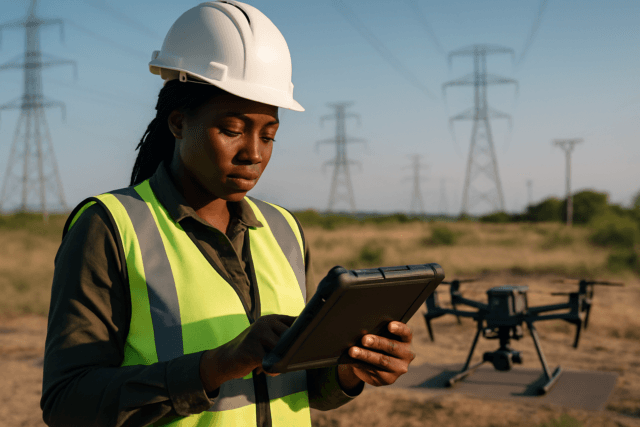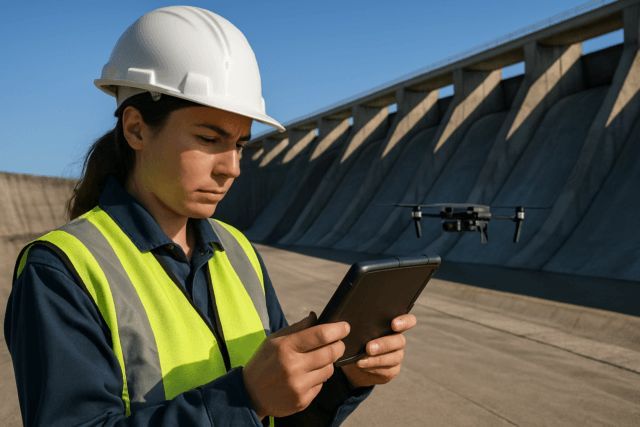
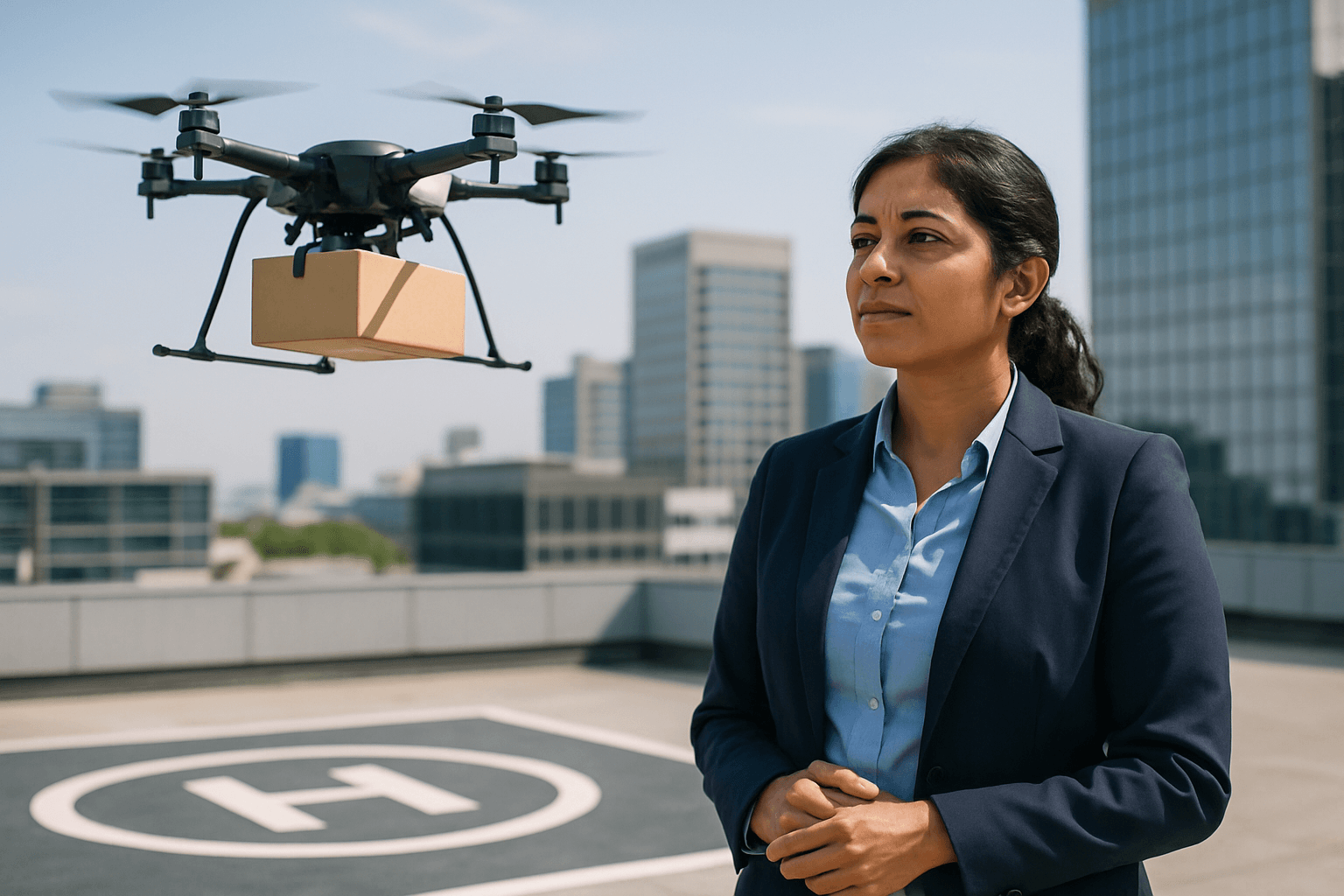
Imagine a future where your urgent package arrives not by navigating congested streets, but by silently gliding through the air directly to your doorstep. This vision is rapidly becoming a reality, as drone delivery services emerge as a revolutionary force in logistics. Unmanned Aerial Vehicles (UAVs), commonly known as drones, are reshaping how goods are transported, offering a myriad of advantages that extend beyond mere convenience. From rapid urban deliveries to critical aid in remote areas, drone technology promises to redefine efficiency, reduce environmental impact, and enhance accessibility across various sectors.
The adoption of drone delivery is no longer a distant concept, with major industry players like Amazon, UPS, DHL, and Walmart actively investing in and implementing these services. Analysts predict significant growth, with the global drone package delivery market estimated to reach USD 8 billion by 2027. This burgeoning market is driven by compelling benefits that address many of the challenges inherent in traditional delivery models.
Faster Delivery Times and Unprecedented Speed
One of the most striking advantages of drone delivery services is their ability to drastically cut down transit times. Drones bypass traditional ground obstacles like traffic congestion and inefficient road networks, taking the most direct, “as the crow flies” routes to their destinations.
Bypassing Traffic and Urban Congestion
In densely populated urban areas, ground-based delivery vehicles frequently encounter bottlenecks and delays. Drones, operating in the air, are immune to these issues, enabling significantly faster delivery, often in minutes rather than hours or days. Companies like Wing advertise deliveries in as little as 15 minutes. This speed is especially crucial for time-sensitive shipments in industries such as e-commerce, food delivery, and emergency medical supplies.
Enhancing Last-Mile Delivery
The “last mile” of delivery, from a distribution center to the customer’s door, is often the most expensive and time-consuming segment of the supply chain. Drones are ideally suited to optimize this critical stage, particularly for lightweight packages in urban and suburban environments. By taking over these short, frequent trips, drones streamline the delivery process and meet the growing consumer demand for rapid fulfillment.
Significant Cost Reductions
While initial setup costs for drone delivery infrastructure can be substantial, the long-term operational savings are a powerful driver for their adoption. Drones offer a path to significantly lower delivery expenses compared to traditional methods.
Lower Operational Expenses
Drones, particularly electric and autonomous models, can drastically reduce operational costs. Estimates suggest that drone delivery services can have operating costs 40% to 70% lower than vehicle delivery services. These savings stem primarily from reduced reliance on fuel, lower vehicle maintenance needs, and minimized labor costs associated with traditional delivery drivers. Drones operating autonomously or with minimal human supervision can perform continuous deliveries without breaks or shifts, further increasing cost-effectiveness.
Scalability and Resource Optimization
Drone delivery systems offer inherent scalability, allowing companies to easily increase or decrease their delivery capacity based on demand. This flexibility enables businesses to optimize resources, deploy additional drones during peak seasons, and avoid overburdening existing infrastructure, leading to improved economies of scale and reduced cost per delivery over time.
Environmental Sustainability
The environmental impact of logistics is a growing concern. Drone delivery services present a greener alternative to traditional, fossil-fuel-powered vehicles, contributing to a more sustainable future.
Reduced Carbon Emissions
Electric-powered drones produce zero direct emissions, making them a more environmentally friendly option for last-mile deliveries compared to conventional trucks and vans that rely on fossil fuels. Studies indicate that drone delivery of a small package can result in a significant reduction in greenhouse gas emissions—up to 54% compared to truck deliveries in some regions. For instance, a small drone delivery in California could result in about 0.42 kg of greenhouse gas emissions per package, a 54% reduction compared to a truck delivery’s 0.92 kg. The extent of these benefits, however, depends on factors like payload weight, flight range, and the carbon intensity of the electricity used to charge batteries.
Decreased Traffic Congestion and Noise Pollution
By shifting a portion of package deliveries to the air, drones can alleviate road traffic congestion, particularly in urban areas. This reduction in ground vehicles not only improves traffic flow but also contributes to lower air pollution and potentially reduces noise pollution from traditional delivery trucks.
Enhanced Accessibility and Reach
Drones possess a unique capability to overcome geographical and infrastructural barriers, significantly improving accessibility to underserved and remote communities.
Reaching Remote and Challenging Terrains
Traditional delivery methods often struggle to reach areas with poor, non-existent, or blocked ground infrastructure, such as mountainous regions, islands, flood zones, or rural villages. Drones can bypass these physical barriers, delivering essential goods and medical supplies to isolated populations where conventional vehicles cannot go. This capability is vital in disaster relief efforts and in providing healthcare access to remote clinics. For example, drones have been used effectively to deliver medical supplies and vaccines in remote parts of Africa.
Critical for Emergency Response
In emergency situations, speed and immediate access to supplies can be life-saving. Drones can play a crucial role by swiftly transporting medical supplies, first aid kits, or other essential items to affected areas, often reaching destinations in minutes rather than hours. This ensures prompt access to critical resources when traditional routes are compromised or too slow.
Increased Efficiency and Automation
The integration of drones into logistics chains brings a new level of operational efficiency through automation and advanced technological capabilities.
Autonomous Operation and Route Optimization
Drones can operate autonomously, guided by advanced navigation systems, AI algorithms, and geospatial mapping. This allows them to follow precise, optimized routes, minimizing human error and ensuring timely deliveries. AI-driven route optimization further enhances fuel efficiency and reduces downtime.
Streamlined Warehouse Operations
Beyond last-mile delivery, drones are also being leveraged within warehouses for tasks like inventory management and order picking. They can quickly scan barcodes and track storage locations, automating labor-intensive and time-consuming tasks and improving overall process quality and efficiency. This helps to address labor shortages in the logistics sector while increasing productivity.
Improved Customer Experience
For consumers, drone delivery offers a novel, convenient, and highly satisfying experience that aligns with evolving expectations for rapid and reliable service.
Convenience and Speed-on-Demand
The allure of receiving packages in minutes, directly to one’s doorstep, significantly enhances customer satisfaction. This convenience is particularly appealing for last-minute needs or impulse purchases. The ability to offer same-day or even under-an-hour delivery differentiates businesses and meets the growing consumer demand for immediacy.
Contactless Delivery
The COVID-19 pandemic accelerated the demand for contactless delivery options, an area where drones excel. Drones can drop off packages with minimal human interaction, providing a safer and more hygienic delivery method.
Real-Time Tracking and Transparency
Advanced drone delivery systems often provide customers with real-time tracking, allowing them to monitor their package’s journey and know exactly when it will arrive. This transparency builds trust and contributes to a superior customer experience.
Conclusion
Drone delivery services represent a significant leap forward in logistics and supply chain management. The benefits—ranging from unprecedented speed and substantial cost savings to a reduced environmental footprint, enhanced accessibility, and improved customer satisfaction—make a compelling case for their widespread adoption. While challenges such as regulatory hurdles, airspace management, battery life, and public perception still need to be addressed, ongoing technological advancements and increasing investments from major corporations are steadily paving the way for a future where drone delivery is a commonplace and indispensable service. As the drone logistics market continues to expand, these aerial vehicles are poised to fundamentally transform how goods move, delivering a host of advantages to businesses and consumers alike.