In the rapidly evolving world of aerial photography and videography, the drone has become an indispensable tool for capturing breathtaking visuals from unique perspectives. However, the true potential of an Unmanned Aerial Vehicle (UAV) in professional imaging isn’t solely in its flight capabilities but crucially, in its payload capacity. For professionals, understanding this metric is paramount, as it dictates the quality of equipment that can be carried, the stability of the flight, and ultimately, the success and safety of a mission.
This guide delves into what drone payload capacity means, why it’s critical for high-end production, the factors that influence it, and how to make informed decisions for your aerial photography and videography needs.
What is Drone Payload Capacity?
Drone payload capacity refers to the maximum additional weight a drone can carry while maintaining stable flight and optimal performance. This weight includes any equipment or accessories not essential for the drone’s basic flight, such as cameras, lenses, gimbals, specialized sensors (e.g., LiDAR, thermal), and even external lighting systems.
It is crucial to distinguish payload capacity from the Maximum Takeoff Weight (MTOW). MTOW is the total weight at which a drone is certified to take off, encompassing the drone’s own weight (frame, motors, battery), plus any attached payload. For instance, if a drone has an MTOW of 10 kg and weighs 4 kg itself, its payload capacity is 6 kg. Exceeding this capacity can lead to unstable flight, reduced performance, potential crashes, and may even void warranties or violate regulations.
Why Payload Capacity is Critical for Professional Imaging
For professional drone photography and videography, payload capacity isn’t just a technical specification; it’s a gateway to quality, versatility, and creative freedom.
Enabling High-Quality Imagery
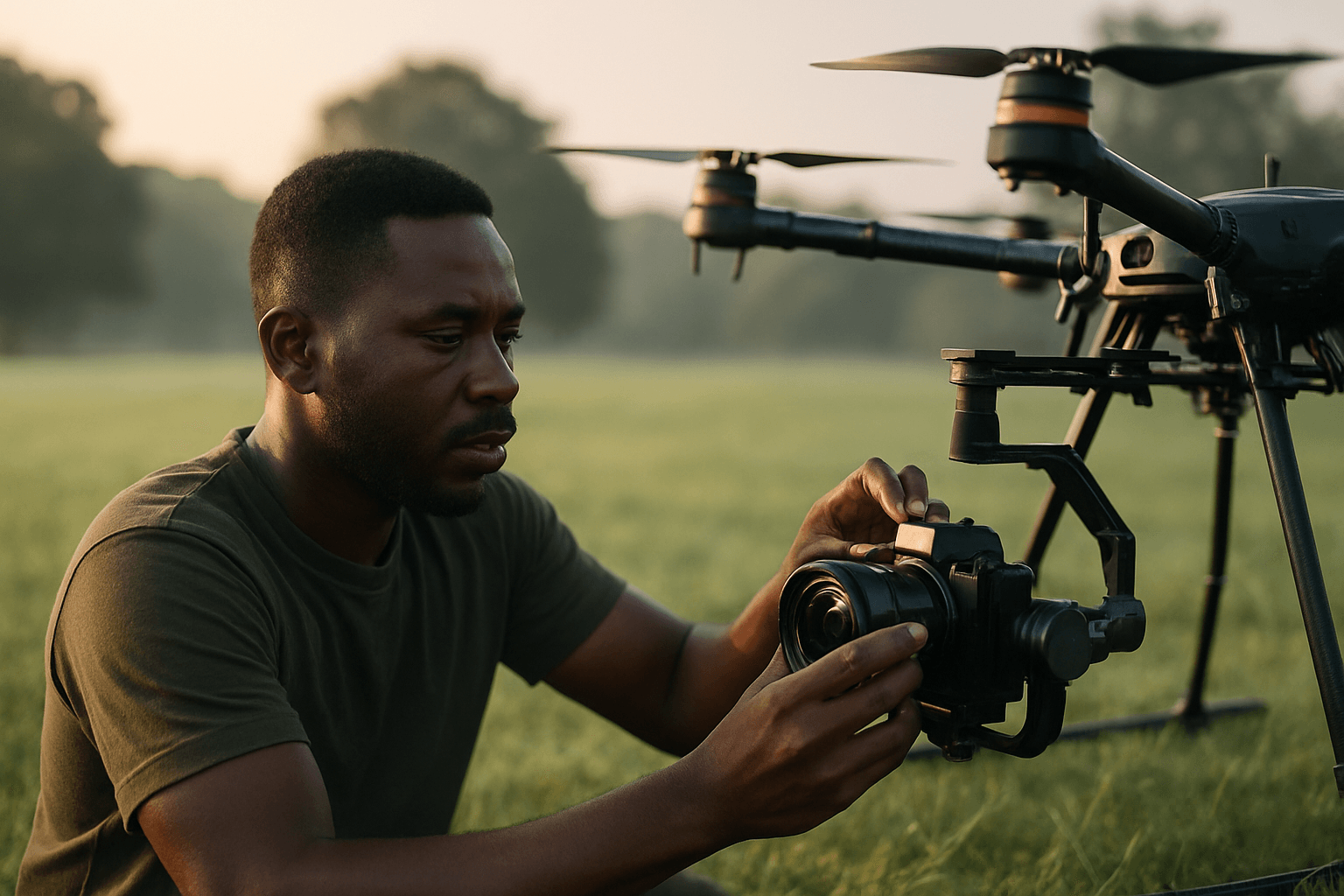
The ability to carry professional-grade cameras and lenses directly impacts the resolution, dynamic range, and overall aesthetic quality of aerial footage. Smaller drones with limited payload might be restricted to built-in cameras or lightweight action cameras. In contrast, drones with higher payload capacities can accommodate cinema-grade cameras (e.g., RED, Arri systems), larger sensors (including full-frame), and interchangeable lenses, offering superior image quality and greater flexibility in post-production.
Ensuring Flight Stability and Precision
Heavy professional equipment requires robust stabilization. A drone with adequate payload capacity can comfortably lift both a high-quality camera and a sophisticated gimbal system, which is non-negotiable for smooth, cinematic footage. Overloading a drone compromises its balance and stability, making precise maneuvers difficult and increasing the risk of shaky footage or even accidents.
Expanding Creative and Commercial Opportunities
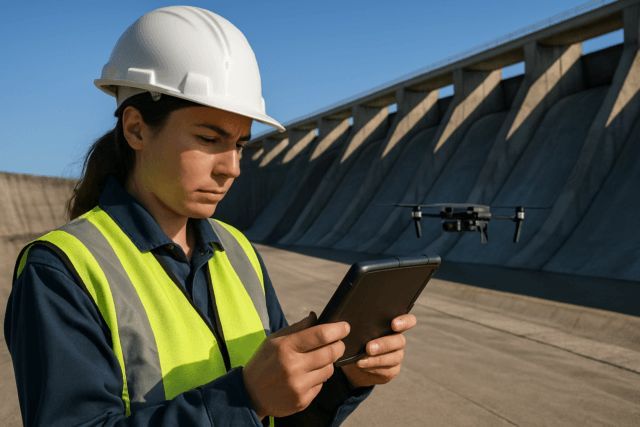
Higher payload capacity opens doors to more complex and demanding projects. This includes carrying specialized sensors for detailed mapping and surveying, or integrating advanced lighting for specific cinematic effects. This versatility allows professionals to tackle a wider range of commercial applications, from real estate and infrastructure inspection to high-end film production.
Key Factors Influencing Drone Payload Capacity
Several interconnected factors determine a drone’s lifting capability:
Drone Design and Structure
The fundamental design and materials of the drone play a significant role. Larger drones with robust frames, often made from lightweight yet strong materials like carbon fiber, can inherently support heavier loads. The overall size of the frame also dictates the size and power of the motors and batteries that can be accommodated.
Motor Power and Efficiency
The motors are the primary source of lift. More powerful and efficient motors can generate greater thrust, allowing the drone to carry heavier payloads. However, powerful motors also consume more energy, affecting flight time.
Propeller Size and Number
Propellers translate motor power into lift. Larger propellers generally generate more lift, enabling the drone to carry heavier loads. Drones with more propellers (e.g., hexacopters with six rotors, octocopters with eight) distribute weight better and enhance stability, improving both lift capacity and redundancy.
Battery Capacity and Weight
Batteries power the entire system. While higher capacity batteries provide longer flight times, they also add significant weight, which can reduce the effective payload capacity. Balancing energy density with weight is crucial for optimizing the payload-to-flight time ratio.
Aerodynamics and Center of Gravity
A drone’s aerodynamic design reduces drag, which is vital for efficient flight, especially with added weight. The distribution of the payload is equally important; an unevenly distributed payload can negatively impact stability and maneuverability, forcing motors to work harder and draining the battery faster. Proper balancing and secure attachment of the payload are critical for safe operations.
Environmental Conditions
External factors like wind, temperature, and altitude can significantly affect a drone’s lifting capabilities. Thinner air at higher altitudes reduces the efficiency of propellers and motors, necessitating more power and thus reducing effective payload capacity. High winds require the drone to exert more power to maintain stability, while extreme temperatures can impact battery and motor performance.
Calculating and Understanding Your Drone’s Carrying Capacity
While manufacturers specify a maximum payload capacity, understanding how to calculate and interpret it is key.
The Thrust-to-Weight Ratio (TWR)
At its core, a drone’s ability to carry weight is governed by its thrust-to-weight ratio (TWR). This ratio determines if a drone can lift off and how well it performs with additional loads. The total weight includes the drone’s empty weight plus the payload.
- TWR = 1.0: The drone can theoretically hover, but stable flight, takeoff, and maneuvering require additional thrust.
- TWR ≥ 2.0: This range is generally considered ideal for stable flight, allowing for payload carrying and agility, ensuring sufficient control for most applications.
To calculate the minimum thrust required for hovering, you’d multiply the total weight (drone + payload) by the acceleration due to gravity (9.81 m/s²). For stable flight and maneuvers, a common safety factor is to aim for a propulsion system that can produce twice the thrust needed for hovering at the maximum intended weight.
Manufacturer Specifications and Safety Margins
Always refer to the manufacturer’s specified maximum payload capacity. It’s recommended to operate at approximately 80% of the maximum payload to maintain flight stability, avoid overloading motors, and ensure safety margins, especially in varying environmental conditions.
Impact of Payload Weight on Flight Time
There is an inverse relationship between payload weight and flight time: as payload weight increases, flight time decreases. This is because heavier loads demand more thrust from the motors, which in turn draws more power from the battery, shortening its lifespan during flight. Even a small increase in payload, such as 500 grams (about 1.1 lbs), can reduce endurance by up to 20%. This trade-off is a critical consideration for professional missions that require extended aerial coverage.
Choosing the Right Drone for Professional Photography and Videography
Selecting a drone for professional imaging means finding the sweet spot between payload capacity, flight performance, and specific project requirements.
Payload Capacity Categories
Drones are often categorized by their payload capabilities:
- Consumer Drones: Typically carry 0.2 kg to 2 kg (0.4-4.4 lbs), suitable for lightweight action cameras or small gimbals.
- Commercial Drones: Medium-sized drones designed for professional use often carry 1 kg to 10 kg (2.2-22 lbs), accommodating heavier cameras, sensors, and gimbals. Examples include models used for cinematography, surveying, and infrastructure inspection.
- Heavy-Lift Drones: These specialized platforms can carry 5 kg to 30 kg (11-66 lbs) or even over 200 kg (441 lbs) for industrial applications. They are built for high-end cinema cameras, large LiDAR units, and other substantial equipment, though often with shorter flight times (e.g., 10-15 minutes when fully loaded for cinema rigs).
Popular Professional Drones and Their Capacities
- DJI Matrice Series (e.g., Matrice 400): Often cited for enterprise applications, offering impressive payload capacities (up to 6 kg for the Matrice 400) and advanced features for various professional tasks.
- Freefly Alta Series (e.g., Alta 8, Alta X): Known for heavy-lift capabilities, supporting cinema-grade cameras, with models like the Alta 8 handling up to 9 kg (19.8 lbs) and Alta X up to 16 kg (35 lbs).
- Aurelia X Series: Offers various heavy-lift options, such as the Aurelia X8 Pro carrying up to 10 kg (22 lbs) and the X6 Standard up to 5 kg (11 lbs).
- JOUAV CW-80E: A hybrid VTOL fixed-wing drone capable of a 25 kg (55 lbs) payload, designed for extended flight times and versatility in applications like pipeline inspection and long-range cargo delivery.
Maximizing Drone Performance with Payload
Optimizing the balance between payload and performance involves several strategies:
Efficient Propulsion Systems
Choosing propellers that offer the highest efficiency at desired thrust levels is crucial. Advanced motor and propeller designs contribute significantly to lift and energy efficiency.
Enhanced Power Management
Utilizing high-capacity, high-energy-density batteries can provide more power for heavier payloads and extend flight time. Intelligent power management systems and ESCs (Electronic Speed Controllers) help monitor real-time consumption and prevent overload.
Aerodynamic Improvements
Streamlining the drone’s design to reduce drag is vital. Ensuring the payload is mounted centrally and securely minimizes aerodynamic disruption and maintains balance.
Advanced Technologies
Hybrid propulsion systems, combining electric and fuel-powered sources, can offer increased range and payload capacity. Intelligent flight control algorithms can also optimize flight paths and power usage, enabling more effective payload management.
Conclusion
For professionals in drone photography and videography, understanding drone payload capacity is not merely technical knowledge; it’s a foundational element for achieving high-quality results, ensuring operational safety, and unlocking creative potential. By carefully considering the payload requirements of their equipment, evaluating the drone’s specifications, and understanding the factors that influence performance, professionals can select and optimize the right UAV for any mission, capturing truly exceptional aerial visuals.