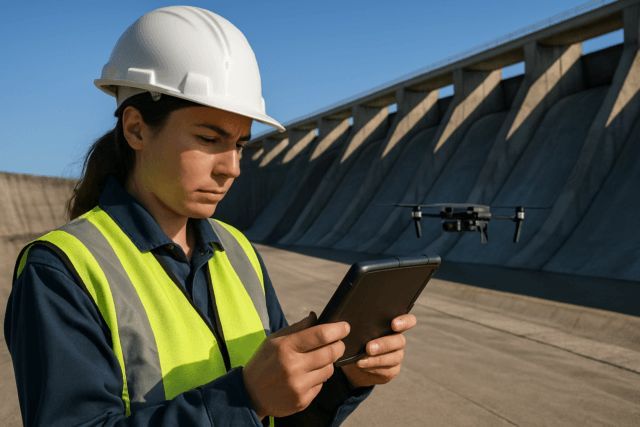
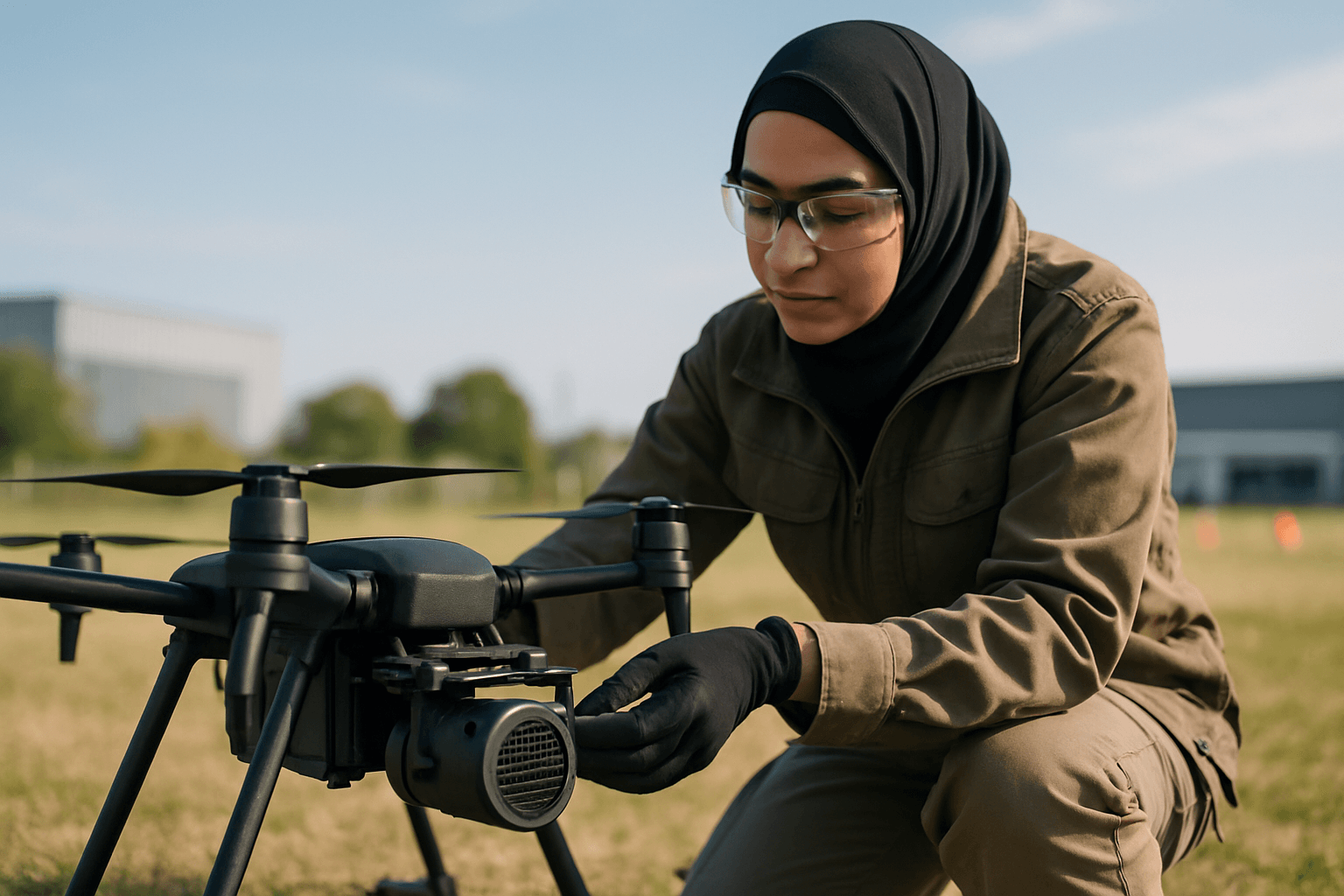
In the critical domain of Search and Rescue (SAR), every second counts. Unmanned Aerial Systems (UAS), commonly known as drones, have emerged as transformative tools, offering unparalleled speed, flexibility, and access to challenging environments. While visual and thermal cameras are common payloads, acoustic detection offers a unique, complementary capability, allowing SAR teams to “hear” what they cannot see. Integrating effective acoustic payloads, however, requires careful consideration of numerous factors to maximize mission success.
The Role of Acoustic Detection in SAR
Acoustic sensors on drones provide a non-visual method of detection, making them invaluable in scenarios where traditional visual or thermal imaging is hampered. These sensors are essentially sophisticated microphones designed to identify specific sounds that can indicate the presence of survivors. This includes human screams, calls for help, distress beacons, or even the subtle sounds of movement under debris.
One significant advantage of acoustic detection is its ability to operate in visually obscured environments such as dense forests, foggy conditions, or under collapsed structures where direct line-of-sight is impossible. Furthermore, acoustic systems can detect “dark drones” or RF-silent drones that do not emit radio frequency signals, providing an additional layer of intelligence that other sensor types might miss.
Modern acoustic detection systems typically employ microphone arrays to capture sound from multiple directions. Advanced digital signal processing and machine learning algorithms are then crucial for filtering out ambient noise, identifying drone-specific frequency patterns, and distinguishing target sounds from environmental background noise. This allows for the estimation of a sound source’s bearing and presence, even in complex acoustic environments.
Key Payload Considerations for Acoustic Detection
Optimizing drone performance for acoustic detection in SAR involves a holistic approach to payload selection and integration. Each component must be carefully chosen to balance detection capabilities with drone operational limits.
Weight and Payload Capacity
The weight of the acoustic payload is a primary consideration, directly impacting a drone’s flight time, stability, and maneuverability. Heavier payloads generally lead to reduced endurance and performance, with a 2.5 kg LiDAR payload potentially reducing flight time from 40 to 25 minutes on some mapping drones.
Commercial drones typically carry between 1-5 kg, while heavy-lift drones can manage 10-25 kg or more. When selecting an acoustic sensor, SAR teams must ensure the chosen payload fits within the drone’s maximum capacity while leaving sufficient margin for safe and extended operation. Payload capacity depends on factors like motor thrust, propeller size, battery power, and frame design.
Sensor Type and Configuration
The specific acoustic sensors chosen will dictate the system’s effectiveness. Microphone arrays are common, ranging from omnidirectional sensors that detect signatures in a 360-degree field to specialized long-range sensors. The configuration of these microphones, often on an array, is critical for accurate sound source localization and beamforming.
Integral to the acoustic payload is the digital signal processing (DSP) hardware and software. This includes advanced algorithms for wavelet analysis, beamforming, and speech recognition to enhance signal clarity by filtering out noise. Machine learning models, such as Convolutional Neural Networks (CNNs), are trained on acoustic emissions to classify sounds, differentiate between various drone types, and detect the presence of a payload. A comprehensive database of acoustic signatures is essential for effective classification and identification of target sounds.
Power Requirements and Endurance
Acoustic payloads, especially those with advanced processing capabilities, require a stable and sufficient power supply. This consumption directly affects the drone’s battery life and overall endurance. Operators must verify that the drone can adequately power the payload without risking premature battery drainage.
To maximize flight time, strategies include using efficient propulsion systems and high-capacity batteries. For extended missions, tethered drone solutions that provide continuous power via a cable from the ground are an option, although this introduces other operational considerations. Balancing payload weight with power management is essential for optimal efficiency.
Environmental Factors and Noise Mitigation
A significant challenge for acoustic detection systems is differentiating target sounds from environmental background noise. This includes the drone’s own acoustic emissions from motors and propellers, wind noise, and other ambient sounds like birds, cars, or even other aircraft. Wind direction and temperature can also reduce the effective range and accuracy of acoustic sensors.
Advanced acoustic signal processing and machine learning algorithms are vital for addressing these challenges. They analyze the unique acoustic signature of a target sound, such as a human voice, and distinguish it from the drone’s own noise and other environmental disturbances. Researchers are developing systems that can identify and separate speech from background noise for effective target recognition.
Data Processing, Transmission, and Integration
Efficient data handling is paramount. Acoustic payloads must either have sufficient onboard storage for collected data or the capability for real-time data transmission to a ground station. The integration of acoustic data with other sensor streams, such as Electro-Optical/Infrared (EO/IR) cameras, can provide a more comprehensive picture for situational awareness. This multi-sensor approach enhances predictive capabilities, automates threat detection, and improves decision-making in SAR operations.
Payloads are integrated using specialized mounts and connectors that ensure stable and balanced attachment. Advanced drone platforms often provide Software Development Kits (SDKs) to facilitate seamless integration of third-party payloads, allowing for customized solutions tailored to specific SAR needs.
Challenges and Future Outlook
Despite the significant advantages, acoustic detection systems in SAR face limitations. Their effective range can be constrained, typically a few hundred meters, and their performance can be compromised by strong background noise, wind, and temperature fluctuations. Differentiating between individual drones in a swarm or accurately identifying multiple targets simultaneously can also be challenging.
The future of acoustic detection in SAR lies in continuous advancements in artificial intelligence and machine learning. Self-supervised learning models aim to identify unknown drone types without extensive pre-labeled acoustic libraries. The true potential will be realized through the AI-enabled correlation and fusion of data from multiple sensor types, mitigating individual sensor limitations and capitalizing on their combined strengths to ensure no threat or survivor goes undetected.
Conclusion
Acoustic detection payloads represent a powerful, non-visual asset for drones in Search and Rescue missions, particularly valuable in complex or obscured environments. However, their effective deployment hinges on a meticulous evaluation of payload weight, sensor sophistication, power demands, environmental resilience, and seamless data integration. By carefully addressing these considerations, SAR teams can leverage the full potential of acoustic-equipped drones, significantly enhancing their ability to locate individuals and save lives.