In an increasingly complex world, the need for advanced security and efficient operational oversight has never been greater. Traditional surveillance methods often fall short in providing the dynamic, wide-area coverage and immediate insights required to address modern challenges. This is where the burgeoning field of real-time aerial surveillance with commercial drones steps in, offering unparalleled flexibility, cost-effectiveness, and a new dimension of situational awareness across diverse sectors.
The Rise of Drones in Commercial Surveillance
Unmanned Aerial Vehicles (UAVs), commonly known as drones, have rapidly evolved from their initial military applications to become powerful tools across civilian industries. Equipped with sophisticated cameras, sensors, and communication systems, commercial drones are redefining how entities monitor assets, secure perimeters, and respond to incidents. Their ability to navigate diverse environments and capture real-time data makes them indispensable for both proactive and reactive surveillance operations.
Key Benefits of Real-Time Drone Surveillance
The integration of commercial drones into surveillance strategies brings a multitude of advantages that surpass conventional methods:
Wide Area Coverage and Remote Monitoring
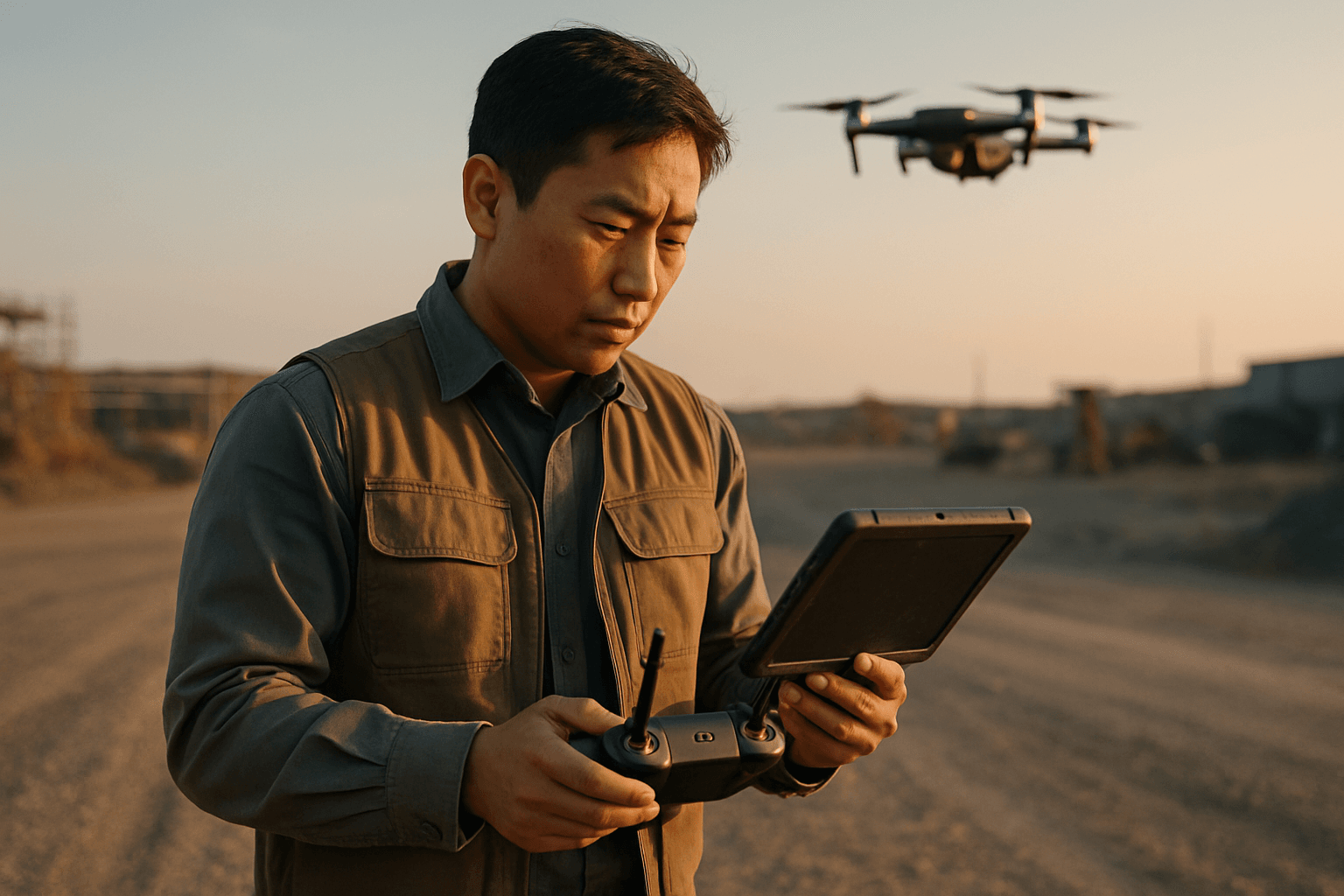
One of the most significant benefits of drones is their capacity to cover vast areas quickly and efficiently. A single drone can survey extensive land, large facilities, or challenging topographies, such as construction sites, warehouses, or remote properties, far more rapidly than ground patrols or fixed cameras. This capability ensures comprehensive monitoring without blind spots, even in hard-to-reach areas. Drones can be flown by licensed pilots for remote monitoring, providing security status insights even when guards are not on-site.
Real-Time Data and Rapid Response
Drones provide live video feeds and immediate data transmission, allowing security personnel to assess situations and respond quickly to potential threats. This real-time insight is crucial in security contexts, enabling prompt decision-making and swift action during emergencies. They can rapidly reach an incident site, relaying critical information to ground teams and significantly improving incident response times.
Cost-Effectiveness
Compared to traditional aerial surveillance methods like helicopters or extensive networks of CCTV cameras, commercial drones offer a significantly more economical solution. They reduce the need for large human security teams and have lower operational and maintenance costs. This makes advanced aerial monitoring accessible for a wider range of businesses and organizations.
Enhanced Situational Awareness and Safety
By providing an elevated vantage point, drones offer superior situational awareness, revealing details that might be missed from the ground. This perspective is invaluable for security planning and rapid response. Furthermore, deploying drones in high-risk areas, such as disaster zones or hazardous industrial sites, reduces the danger to human personnel, allowing for safer initial assessments and more informed decision-making.
Day and Night Operations with Advanced Sensors
Modern surveillance drones are equipped with advanced technologies like high-resolution cameras, thermal imaging (FLIR), night vision, and LiDAR sensors. These capabilities ensure effective operation regardless of lighting conditions, enabling detection of anomalies or human presence in low light, dense foliage, or adverse weather conditions.
Diverse Applications of Commercial Drone Surveillance
The versatility of commercial drones makes them applicable across numerous sectors for real-time surveillance:
Critical Infrastructure Protection
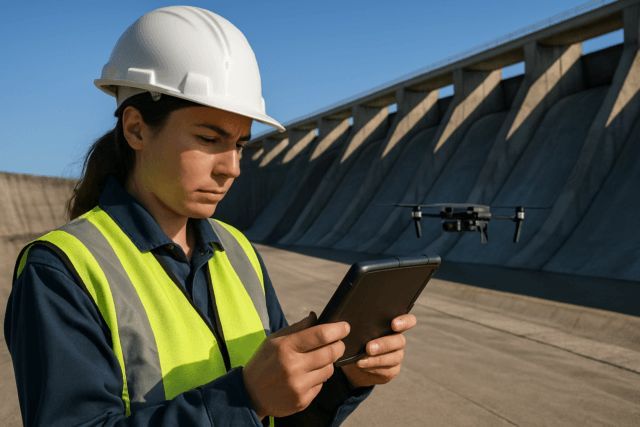
Drones are vital for monitoring and inspecting critical infrastructure such as pipelines, power lines, data centers, factories, and warehouses. They can detect anomalies, potential failures, and unauthorized intrusions, enhancing preventive maintenance and overall security for sensitive assets.
Event Security and Crowd Management
For large public gatherings like concerts, sports events, or festivals, drones provide a crucial bird’s-eye view for monitoring crowd movement, identifying potential risks like overcrowding, and assisting in the rapid deployment of emergency personnel to critical areas.
Border Patrol and Remote Site Monitoring
Drones are an important asset for border security, capable of monitoring vast stretches of borders and remote or rural sites. They can detect unauthorized crossings and suspicious activities in real-time, especially when equipped with thermal cameras that are effective in challenging terrains.
Law Enforcement and Emergency Response
Police and public safety agencies leverage drones for aerial surveillance, traffic management, and incident response. Drones provide critical situational awareness during police operations, traffic incidents, disaster assessments, and search and rescue missions, aiding in quick decision-making and efficient resource allocation.
Commercial Property and Residential Security
Private security firms and homeowners increasingly use drones for perimeter patrols, monitoring facilities, warehouses, and large outdoor areas. They offer dynamic aerial monitoring that can cover larger areas and reduce blind spots compared to traditional security cameras.
The Role of Artificial Intelligence in Drone Surveillance
The integration of Artificial Intelligence (AI) significantly enhances the capabilities of real-time drone surveillance, transforming raw video data into actionable insights.
AI algorithms enable drones to analyze video feeds on the fly, rapidly identifying abnormal patterns, unauthorized intrusions, or other potential threats. Key AI-driven innovations include:
- Object Detection and Tracking: Drones can autonomously detect and track objects of interest, such as intruders or suspicious activities, and notify authorities in real time.
- Facial Recognition: Advanced AI models can identify individuals from drone feeds, assisting in suspect tracking or VIP protection, though this raises significant ethical concerns.
- Anomaly Detection: AI can differentiate between normal and suspicious activities, reducing false alarms and ensuring that critical events receive timely intervention.
- Automated Alerts: When threats or unusual behaviors are detected, AI-powered drones can automatically generate and send immediate alerts to security personnel, improving response times.
- Predictive Capabilities: By analyzing historical data, AI systems can learn and evolve, offering enhanced analytical and even predictive capabilities over time.
- Automated Flight Paths and Swarm Intelligence: Drones can be programmed for consistent, efficient patrols, and some systems even use AI-powered drone swarms that coordinate movements for maximum surveillance coverage.
Challenges and Ethical Considerations
Despite the transformative potential, the widespread adoption of real-time commercial drone surveillance faces notable challenges:
Privacy Concerns
The proliferation of drones equipped with high-resolution cameras, microphones, and thermal sensors raises significant privacy concerns. Drones can conduct surveillance with minimal visibility, monitoring individuals and communities without detection, which can lead to a “chilling effect” on personal privacy and induce psychological trauma. Indiscriminate aerial surveillance can infringe upon the rights of neighbors and passersby, prompting calls for robust legal frameworks to protect individual privacy rights.
Regulatory Landscape
The regulatory environment for commercial drone surveillance is complex and varies by region. In the U.S., commercial drone operators typically require an FAA Part 107 certification. Key regulations often include maintaining a visual line of sight (VLOS), adhering to altitude restrictions, and complying with Remote ID requirements, which broadcast the drone’s identification and location. However, a lack of consistent international and national protocols and oversight remains a concern, particularly regarding cross-border operations and the protection of fundamental rights.
Technological Limitations
Current technological limitations include battery life and flight time, which restrict continuous operation. Drones also face challenges with payload capacity, obstacle avoidance in complex environments, and maintaining stable video transmission signals. Cybersecurity is another critical concern, as drones and their data transmission can be vulnerable to hacking or interference, posing security risks.
The Future of Drone Surveillance
The future of real-time aerial surveillance with commercial drones is characterized by continuous innovation and increasing integration into security protocols. Expected advancements include:
- More Sophisticated AI: Further development in AI and machine learning algorithms will enhance drones’ decision-making, predictive capabilities, and ability to adapt based on learned experiences.
- Enhanced Integration: Drones are likely to be increasingly integrated with other Internet of Things (IoT) devices and smart security systems, creating comprehensive and interconnected surveillance ecosystems.
- Improved Performance: Ongoing research aims to address current technological limitations, leading to improvements in battery life, flight duration, and autonomous operation capabilities.
- Evolving Regulations: As technology advances, regulatory frameworks are expected to evolve, potentially expanding permissions for Beyond Visual Line of Sight (BVLOS) operations and standardizing global guidelines to balance security needs with privacy protections.
Conclusion
Real-time aerial surveillance with commercial drones is undeniably revolutionizing security and operational monitoring across numerous industries. From safeguarding critical infrastructure and managing large crowds to aiding law enforcement and emergency response, UAVs offer unmatched capabilities in coverage, speed, and data acquisition. While challenges related to privacy, regulation, and technological limitations persist, ongoing advancements in AI and drone technology promise an even more sophisticated future. The key to maximizing the benefits of this transformative technology lies in balancing innovation with responsible deployment, ensuring robust ethical guidelines and regulatory frameworks are in place to protect individual rights while enhancing collective safety and efficiency.