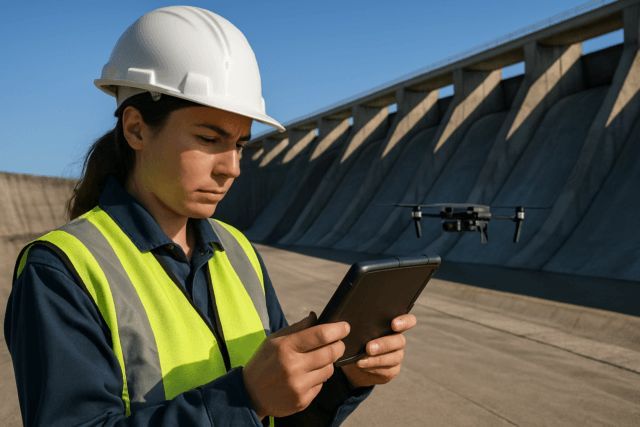
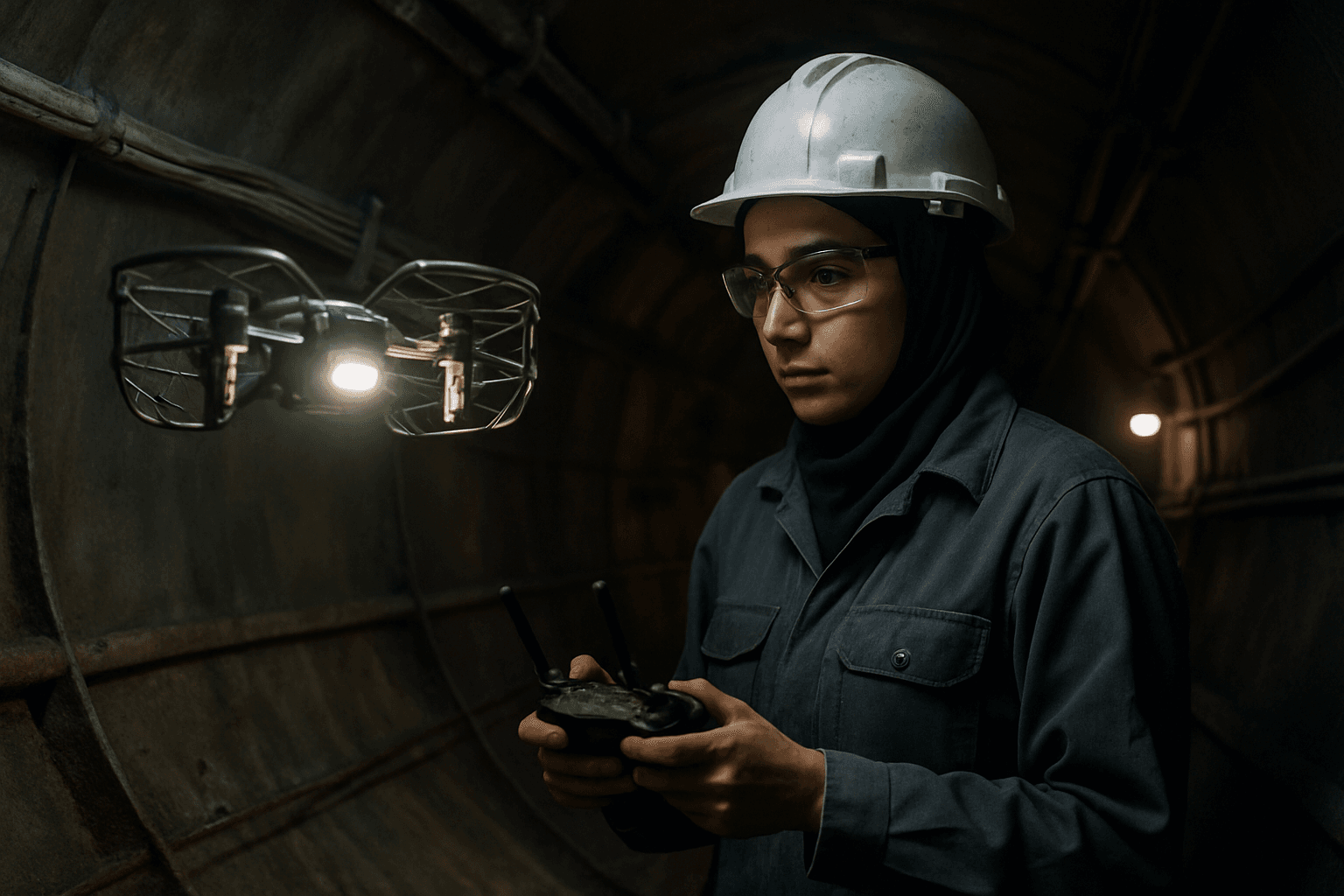
Confined spaces, from industrial tanks and pipelines to bridge soffits and sewer systems, present some of the most challenging environments for infrastructure inspection. Traditionally, these areas demand hazardous human entry, requiring extensive safety protocols, specialized equipment like scaffolding, and significant downtime. Drones offer a revolutionary solution, enhancing safety, efficiency, and data collection without putting human lives at risk. However, deploying drones in these tight, often unlit, and geometrically complex environments introduces its own unique set of hurdles that demand sophisticated technology and skilled operation.
Signal Interference and Communication Loss
One of the most significant challenges for drones operating in confined spaces is maintaining a stable signal and communication with the operator. Walls, metal structures, and other obstacles commonly found in such environments can disrupt radio signals, leading to signal interference or even complete loss of control over the drone. Metal conduits and structures might allow for better signal transmission in some cases, but concrete, for example, tends to absorb radio signals, severely limiting the drone’s effective flight distance. This unpredictable signal environment makes consistent operation incredibly difficult and increases the risk of a drone becoming lost or crashing within the confined space.
Navigation and GPS-Denied Environments
Drones heavily rely on GPS for stable navigation and precise positioning in open environments. However, confined spaces are typically GPS-denied or weak-signal environments, rendering traditional GPS-based navigation ineffective. Without GPS, drones can struggle with control issues, leading to drifting or collisions with structural elements.
The Role of Alternative Navigation Technologies
To overcome GPS limitations, drones designed for confined spaces often employ alternative navigation technologies:
- LiDAR (Light Detection and Ranging): LiDAR sensors can create precise 3D maps of the environment, enabling the drone to localize itself and navigate accurately.
- SLAM (Simultaneous Localisation and Mapping): SLAM algorithms process sensor data (often from LiDAR or visual-inertial sensors) to simultaneously build a map of the environment and track the drone’s position within it.
- Optical Flow Sensors: These sensors help the drone detect movement relative to surfaces, assisting with maintaining stability and position in tight quarters.
- Multi-sensor Fusion and AI: Advanced systems combine data from multiple sensors (like cameras, IMUs, and ultrasonic sensors) with AI to improve navigation in complex, GPS-denied spaces.
Despite these advancements, real-time path planning in confined spaces remains challenging due to the large volume of sensor data and limited onboard computing resources, with performance sometimes degrading in low-texture environments.
Limited Battery Life and Flight Endurance
Confined space inspections often demand frequent maneuvering, which consumes battery power at a higher rate than open-air flights. The limited battery life of most drones, typically 20-50 minutes for many models, restricts operational time and range, necessitating frequent battery swaps or recharging. This can add to operational time and cost, especially for long or complex inspections that might require multiple flights. The use of accessories like high-definition cameras and powerful lighting further increases power consumption, shortening flight times.
Capturing High-Quality Data in Challenging Conditions
Confined spaces are inherently difficult environments for data capture due to poor lighting, complex geometries, and potential atmospheric hazards.
Illumination and Visibility Issues
Many confined spaces are dimly lit or completely dark, making it challenging for drones to capture clear and accurate visual data. Blurry images, insufficient lighting, and shadows can compromise the quality of the inspection and obscure critical defects. Drones for these applications need integrated, powerful lighting systems, such as high-lumen LEDs, to illuminate dark areas effectively.
Sensor Limitations and Data Quality
While drones can carry various advanced sensors, detecting minute or complex defects that a seasoned human inspector might identify through close physical examination can still be a challenge. The presence of airborne dust, common in many industrial or construction confined spaces, can also obstruct visibility and degrade photographic and video data quality, as cameras may focus on dust particles rather than the inspection target.
Physical Manoeuvrability and Collision Risk
Confined spaces often feature limited entry points, tight corners, and numerous obstacles, making safe drone maneuvering difficult. The risk of collision is high, which can damage both the drone and the infrastructure being inspected. The lack of space also means that larger, more capable drones might not be suitable, requiring the use of smaller, more agile models.
Obstacle Avoidance Technology
Advanced obstacle avoidance technology, utilizing sensors like LiDAR and ultrasonic systems, is crucial for preventing collisions. Some drones also feature protective cages, allowing them to make contact with surfaces without damaging rotors, which is vital in extremely tight or complex environments.
Regulatory and Operational Hurdles
Beyond technical limitations, operational and regulatory factors also pose challenges to widespread drone adoption for confined space inspections.
Skilled Operators and Training
Operating drones, especially in complex, GPS-denied confined spaces, requires specialized training and highly skilled pilots. Operators need expertise not only in drone mechanics but also in confined space safety protocols and the specific inspection objectives.
Data Management and Analysis
Drones can generate vast amounts of imagery and scan data, which can be overwhelming for inspection teams. Effective data processing software and cloud storage are necessary to manage and analyze this information efficiently. Furthermore, while drones collect data, the final analysis and interpretation still often require an expert inspector.
Conclusion
While drones offer significant advantages in safety and efficiency for inspecting infrastructure in confined spaces, their deployment is not without its intricate challenges. Overcoming issues related to signal interference, GPS-denied navigation, limited battery life, environmental conditions impacting data quality, and the need for highly skilled operators is crucial. Continued advancements in drone technology, particularly in autonomous navigation, sensor capabilities, and robust communication systems, coupled with specialized training and regulatory refinement, will pave the way for even broader and more effective adoption of drones in these demanding inspection environments.