
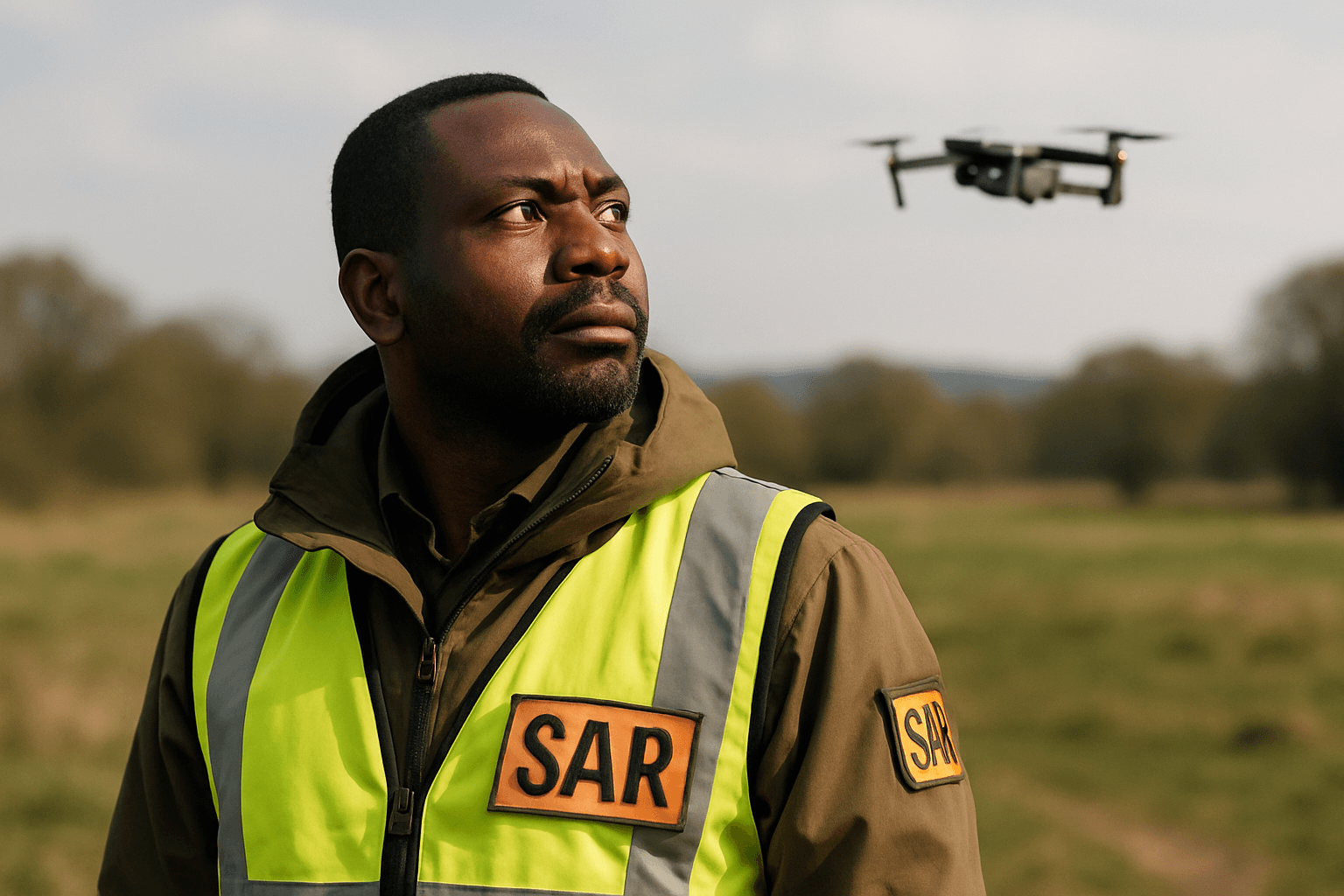
The integration of unmanned aerial systems (UAS), commonly known as drones, into search and rescue (SAR) operations has revolutionized emergency response, offering unparalleled advantages in speed, coverage, and safety. However, this technological leap brings with it a complex web of ethical considerations, particularly concerning civilian surveillance. As drones become increasingly indispensable tools for locating missing persons and assessing hazardous environments, a critical examination of privacy, data security, and public trust is paramount.
The Rise of Drones in Search and Rescue
Drones have emerged as transformative assets in SAR missions, capable of providing critical aerial intelligence that significantly enhances efficiency and safety. Their ability to deploy rapidly allows them to reach locations faster than ground vehicles, often within minutes, providing immediate aerial oversight of a search area. This swift response is crucial in time-sensitive emergencies, potentially making the difference between life and death.
Efficiency and Effectiveness Benefits
Civilian drones offer a “bird’s-eye view” that enables SAR teams to cover vast and often inaccessible terrains, such as dense forests, mountainous regions, or disaster zones, more effectively than traditional ground crews or even helicopters. Equipped with advanced sensors like high-resolution cameras, thermal imaging, and LiDAR, drones can detect heat signatures, structural weaknesses, and pinpoint potential locations of missing individuals, even in low-visibility conditions or at night. This real-time visual and thermal data allows responders to map entire search zones, assess hazards, and coordinate rescue efforts with enhanced situational awareness. Furthermore, drones can carry loudspeakers to communicate with victims or ground crews and reduce risks to human rescuers by performing preliminary assessments of dangerous environments. Their operational costs are also often lower compared to traditional manned aircraft like helicopters.
Core Ethical Dilemmas in Drone Surveillance
While the benefits are clear, the deployment of civilian drones in SAR operations raises several significant ethical challenges, primarily centered on surveillance capabilities and their impact on individual rights.
Privacy Concerns and the Right to be Forgotten
One of the foremost ethical dilemmas stems from the potential for drones to invade personal privacy. Drones equipped with high-resolution cameras, thermal sensors, and even audio recording tools can capture sensitive information about individuals and their properties, often without their knowledge or consent. This is particularly concerning when drones inadvertently capture footage in private residences, refugee camps, or during vulnerable moments for individuals, challenging traditional notions of privacy by bypassing physical boundaries like fences and walls. The ease with which drones can peer into private events or areas creates a “drone privacy paradox,” where invaluable societal benefits contend with the potential for intrusive surveillance.
Data Security and Misuse
The vast amounts of data collected by SAR drones – including images, videos, and geotagged information – present significant security and ethical challenges regarding its handling, storage, and potential misuse. There are legitimate concerns about who controls this footage, how long it is retained, and whether it could be improperly accessed, analyzed by third parties, or even sold. Drones are susceptible to cybersecurity threats, which could lead to data breaches, unauthorized access, or the manipulation of information. The transmission of data to cloud platforms further increases these risks, necessitating robust data protection measures.
Informed Consent and Public Perception
The often invisible nature of drone surveillance makes obtaining informed consent from individuals challenging, if not impossible, especially in broad search areas or public spaces. Many people are unaware of the full capabilities of drones and the extent to which they can be used for surveillance. Public perception studies reveal widespread concern about privacy and safety regarding drone use, particularly when flying near homes. While the public generally supports drone applications that benefit society, like SAR, there is less enthusiasm for uses perceived as intrusive or solely for private gain. Building public trust requires addressing these concerns proactively and transparently.
Scope Creep and Mission Drift
Drones, initially developed for military applications, are now widely utilized in civilian domains, including SAR. This “dual-use” nature raises ethical questions about the potential for mission creep or drift, where technology deployed for a humanitarian purpose might eventually be used for other forms of surveillance or control, potentially leading to abuse. Clear boundaries and strict adherence to SAR-specific mandates are crucial to prevent such occurrences.
Bias and Discrimination in Data Analysis
As drone systems incorporate AI and automated data analysis, there is a risk of algorithmic bias influencing search patterns or identification processes. If training data is unrepresentative, the algorithms might inadvertently lead to discriminatory outcomes or misidentification, potentially impacting specific demographics or areas more than others. The ethical use of drones requires vigilance against such biases in both deployment and data interpretation.
Navigating the Legal and Regulatory Landscape
The rapid advancement of drone technology often outpaces the development of comprehensive legal and regulatory frameworks, creating a complex environment for ethical operations.
Existing Aviation Regulations
Many countries have established regulations for drone operation, primarily focusing on aviation safety. In the United States, the Federal Aviation Administration (FAA) sets rules for UAS. In the European Union, comprehensive drone regulations were put in place in January 2021, defining who can use a drone, how, and where. Commercial operators typically require specific certifications and insurance, and must adhere to flight restrictions. However, these regulations often do not fully address the nuances of privacy in surveillance contexts.
Privacy Laws
When personal data is collected by SAR drones, privacy laws become highly relevant. The General Data Protection Regulation (GDPR) in the EU, for instance, mandates a lawful basis for data processing, the principle of data minimization, the necessity of Data Protection Impact Assessments (DPIAs), and secure data retention. In the US, the Fourth Amendment’s protection against unreasonable searches and various state-specific laws also come into play, with some states requiring warrants for law enforcement drone use. However, drones can bypass traditional physical boundaries that previously defined privacy expectations, creating gaps in existing legal protections.
Developing SAR-Specific Guidelines
The distinct nature of SAR operations—often involving emergencies where immediate action is paramount and explicit consent is impractical—necessitates the development of clear, standardized regulations. These guidelines should balance the urgency of rescue efforts with privacy protections, defining what constitutes reasonable surveillance in a SAR context. Policymakers are encouraged to craft drone laws that respect existing privacy norms while allowing for essential technological uses.
Best Practices for Ethical Drone Deployment
To mitigate ethical concerns and foster public trust, SAR organizations deploying drones must adhere to a set of best practices for ethical operation.
Transparency and Public Engagement
Promoting transparency and accountability is crucial. This involves clearly communicating the purpose of drone missions, the types of data being collected, and how that data will be used. Where operationally feasible, clear public signage or disclosure requirements can inform individuals of surveillance activities. Engaging with local communities and educating the public about the capabilities and limitations of drones can help address concerns and build acceptance.
Strict Data Handling Protocols
Robust data management is essential. Organizations should establish clear protocols for the secure transfer, storage, and retention of all captured images and videos. Adhering to the principle of data minimization—collecting only what is necessary for the mission’s purpose—is vital, along with transparent procedures for handling any accidentally captured sensitive information. Data should be securely stored, often in encrypted archives, with strictly controlled access protocols.
Training and Operator Accountability
Drone operators in SAR must be professionally trained not only in piloting skills but also in the ethical implications of their work. This includes understanding privacy laws, data protection protocols, and the potential impact of their operations on individuals and communities. Clear accountability standards and regulatory criteria are needed to ensure responsible operation and address any instances of overreach or misuse.
Establishing Clear Mission Parameters
Before deployment, clear mission parameters should be established, defining the specific objectives of the drone flight and strict limits on surveillance in private areas. These parameters help ensure that drone use remains proportionate to the SAR objective and does not infringe unnecessarily on privacy.
Balancing Innovation with Responsible Use
The integration of drones into SAR represents a significant advancement in saving lives and enhancing disaster response capabilities. However, realizing the full potential of this technology hinges on a delicate balance between embracing innovation and upholding ethical responsibility. Policymakers, developers, and SAR organizations must collaborate to establish frameworks that allow for the continued evolution of drone technology while rigorously safeguarding individual rights and public trust.
Conclusion: Towards a Framework for Ethical SAR Drone Use
The ethical considerations surrounding civilian drone surveillance in SAR operations are multifaceted, encompassing privacy invasion, data security risks, the need for informed consent, and public perception challenges. Addressing these issues effectively requires a comprehensive approach that includes robust regulatory frameworks, clear ethical guidelines, transparent operational protocols, and ongoing public engagement. By prioritizing ethics, safety, transparency, and accountability, stakeholders can ensure that drones serve as a powerful force for good in search and rescue missions, contributing positively to public safety without compromising the fundamental rights and trust of the communities they serve.