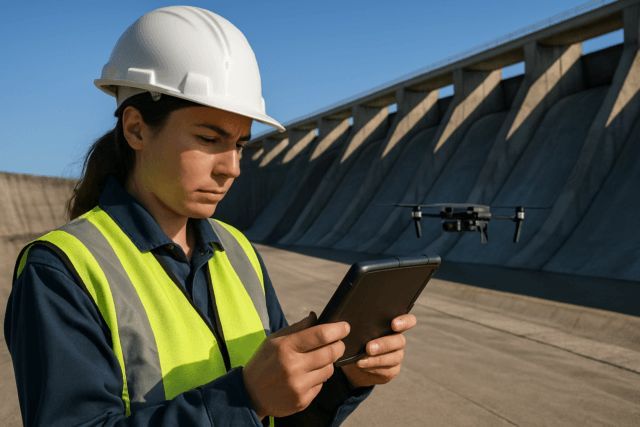

In the critical domain of search and rescue (SAR) operations, every second can mean the difference between life and death. Unmanned Aerial Systems (UAS), commonly known as drones, have rapidly emerged as indispensable tools, revolutionizing how rescue teams operate by offering unprecedented speed, accessibility, and data capabilities. However, simply deploying drones is not enough; their effectiveness must be rigorously measured and optimized. Key Performance Indicators (KPIs) provide a quantitative framework to assess, refine, and maximize the life-saving potential of drone SAR missions, moving beyond anecdotal evidence to scientifically valid insights.
Understanding and tracking these KPIs is crucial for SAR organizations to make data-driven decisions, enhance operational efficiency, improve safety, and ultimately increase the chances of a successful rescue. From the rapid detection of missing persons to the seamless integration with ground teams, a multifaceted approach to performance measurement ensures that drone technology delivers on its promise to transform emergency response.
Measuring Search Effectiveness: Locating the Lost
The primary goal of any SAR mission is to locate the person in distress. Drones significantly contribute to this by offering aerial coverage and real-time imaging, which directly impacts the speed and success rate of finding individuals.
Probability of Detection (PoD)
The Probability of Detection (PoD) is a critical metric that quantifies the likelihood of detecting a target under specific environmental and operational conditions. Unlike traditional SAR methods, drones introduce unique variables such as aerial coverage, sensor resolution, and search algorithms that influence detection success. Factors influencing PoD include weather conditions, terrain complexity, target visibility, sensor technology (e.g., thermal vs. visual cameras), altitude, subject contrast, and the expertise of the image analyst. A study in Tanzania, for instance, highlighted that altitude, subject contrast, and analyst expertise significantly influenced detection rates. Optimizing the trade-off between rapid area coverage and high-resolution imaging is key to enhancing PoD.
Time to Locate / First Detection Time
This KPI measures the duration from the start of the drone search operation to the first positive identification of a person in distress. Drones can often reach a location much faster than ground-based vehicles, thanks to their ability to fly over traffic and other obstructions, and access inaccessible places. Studies have shown that drone teams can find victims about three minutes faster than ground-only teams, though overall success rates may be similar. Reducing the time to locate is crucial as the chances of survival for missing persons decrease significantly with every passing hour.
Detection Rate and Accuracy
Beyond just finding a target, the detection rate assesses how consistently a drone system identifies actual victims while minimizing false positives. The accuracy refers to the precision with which the drone’s sensors and accompanying AI (if applicable) can distinguish a human target from other heat signatures or environmental clutter. High-resolution optical zoom and thermal cameras are vital for spotting individuals hidden by debris, vegetation, or darkness. AI-enhanced human detection models, like those using YOLOv8, are being integrated to improve precision and recall in detecting victims, even in challenging environments with occlusions.
Operational Efficiency: Streamlining the Mission
Operational efficiency KPIs focus on how effectively resources (drones, personnel, time) are utilized during a SAR mission. Drones offer significant benefits in terms of time and resources compared to traditional methods.
Response Time
This measures the time taken from the alert to the drone’s take-off and commencement of the search. Drones can be deployed in a few minutes, starting a mission much faster than it would take to deploy ground teams or launch a helicopter. Improved response time is a key advantage of drones, as they can bypass traffic and reach remote or hazardous areas quickly.
Search Area Coverage Rate
This KPI quantifies how much ground a drone can cover per unit of time (e.g., square kilometers per hour). Drones can scan vast areas from above, covering more ground without interruption, especially with extended flight times. Their ability to cover large areas quickly is a significant advantage over ground crews, who are limited by terrain and obstacles. The longer a drone stays airborne, the more ground it can cover, reducing the need for multiple drones or frequent battery swaps.
Flight Time / Battery Endurance
Extended flight time is critical, as limited battery life can delay efforts, forcing teams to land, swap batteries, and relaunch, losing valuable time. Drones with a minimum of 30-45 minutes of flight time are considered essential, with some high-performance SAR drones reaching 55+ minutes. Modular and hot-swappable battery systems, energy-efficient design, and smart power management are important features that contribute to longer operational periods.
Mission Time
This encompasses the total duration of the entire drone-assisted SAR mission, from planning to conclusion. Drones can significantly reduce overall mission time by providing rapid aerial data and improved situational awareness. The ability to carry out frequent and repeatable search missions at regular intervals also increases the chance of locating missing individuals and reduces overall mission duration.
Data Processing Turnaround Time
After data capture, the speed at which that data (images, videos, thermal scans) can be processed, analyzed, and delivered to ground teams or incident command is crucial. Rapid data processing allows responders to quickly assess the situation, plan operations, and make informed decisions. The integration of AI for human detection can further reduce this time by automating initial analysis.
Fleet Utilization Rate
For organizations managing multiple drones, the fleet utilization rate measures the percentage of time drones are actively engaged in SAR missions or related activities. A target utilization rate between 30% and 40% of available flight days is often sought, accounting for factors like weather and maintenance. Maximizing this rate can boost revenue potential and operational effectiveness without requiring new equipment.
Data Quality and Situational Awareness: Informed Decision-Making
Drones provide invaluable data that enhances the situational awareness of SAR teams, enabling better coordination and more effective rescue efforts.
Image and Video Quality
The clarity and resolution of images and video feeds from drone cameras (optical, thermal, LiDAR) are paramount. High-resolution cameras capture detailed ground information, while thermal imaging helps detect heat signatures, particularly useful in darkness, dense vegetation, or adverse conditions. The quality of this data directly impacts the ability of operators to identify targets and assess their condition.
GPS and RTK Precision
Accurate positional data is vital for guiding ground crews to the exact location of a detected person. High-precision GPS provides accurate coordinates, reducing search area uncertainty, while RTK (Real-Time Kinematic) technology enhances GPS accuracy to centimeter-level precision. Live telemetry tracking shares real-time location data with SAR teams, improving coordination.
Real-time Data Transmission and Communication
The ability to transmit live video feeds and sensor data from the drone to a ground control station (GCS) in real-time is crucial for immediate assessment and planning. Effective communication between the drone operators and ground teams, facilitated by robust data transmission, ensures that critical information reaches responders promptly, improving coordination and reducing miscommunication.
Safety and Risk Reduction: Protecting Responders
While not always a quantifiable KPI in the same vein as efficiency, the reduction of risk to first responders is a significant measure of drone SAR effectiveness.
Reduced Exposure to Hazardous Environments
UAVs can navigate unstable environments, hazardous sites, and disaster zones (e.g., collapsed buildings, forest fires) that would be too dangerous or inaccessible for human rescuers. By deploying drones, SAR teams can assess difficult terrain, structural weaknesses, and chemical threats without risking their own safety, thereby preventing unnecessary exposure to harm. This is a core benefit and a key measure of success for drone integration.
Cost-Effectiveness: Optimizing Resources
Financial considerations play a role in the sustainability and scalability of drone SAR programs.
Cost Per Flight Hour (CPFH)
This KPI aggregates all variable and fixed costs associated with operating a drone for one hour. Drones are a cheaper alternative to traditional methods like helicopters, reducing operational costs for SAR missions. Understanding CPFH helps organizations assess the economic efficiency of their drone operations and allocate budgets effectively.
Training and Preparedness: Human-Centric Elements
The technology is only as good as the people operating it. Effective training and adherence to protocols are also critical for success.
Pilot Proficiency and Training Hours
The success of a SAR drone flight heavily depends on specialized pilot training. This KPI could track the number of training hours, certifications, and real-world scenario experience of drone pilots. Well-trained operators are better equipped to handle complex flight conditions, interpret sensor data, and coordinate effectively with ground teams.
Adherence to Standard Operating Procedures (SOPs)
The development and strict adherence to standardized drone-SAR protocols are essential for consistent and effective operations. This KPI measures how well teams follow established procedures for planning, execution, and data management. A successful SAR flight begins with actionable intelligence, a well-trained team, and a strong incident command presence, all guided by clear protocols.
Conclusion
The integration of drones into search and rescue operations has undeniably enhanced capabilities, offering faster response times, broader coverage, and improved situational awareness. To truly harness this potential, SAR organizations must embrace a robust framework of Key Performance Indicators. By meticulously tracking metrics related to search effectiveness (PoD, time to locate), operational efficiency (response time, coverage rate, flight time), data quality (imaging, precision), safety, cost-effectiveness, and human preparedness, teams can continuously refine their strategies and technologies. This data-driven approach ensures that drones are not just deployed, but deployed optimally, maximizing their life-saving impact when every moment counts.