
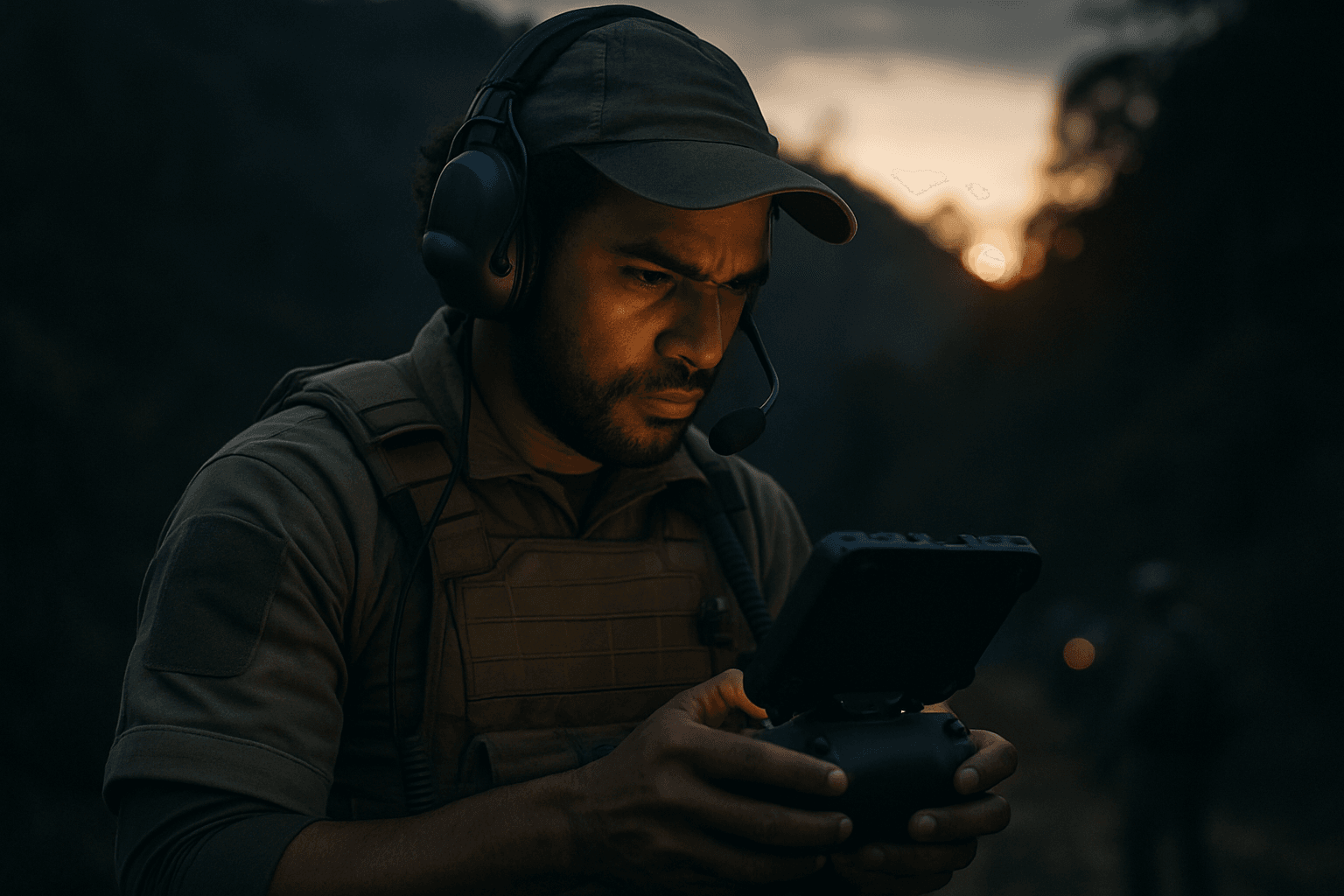
In the critical realm of Search and Rescue (SAR) operations, every second counts. Unmanned Aerial Systems (UAS), or drones, have emerged as indispensable tools, dramatically enhancing the speed, safety, and reach of rescue teams. From surveying disaster zones to locating missing persons with thermal imaging, drones offer unprecedented capabilities. However, the human element behind these sophisticated machines—the drone operator—is often subjected to immense pressure, long hours, and challenging environments, leading to a significant and often overlooked threat: fatigue. This pervasive issue can severely compromise mission effectiveness, increase safety risks, and ultimately jeopardize lives. Understanding and proactively managing drone operator fatigue is not just a best practice; it is a fundamental requirement for successful and safe SAR missions.
The Insidious Threat: What is Drone Operator Fatigue?
Drone operator fatigue, in the context of SAR, is a physiological state of reduced mental or physical performance capability resulting from various factors including sleep loss, extended wakefulness, disruptions to circadian rhythms, and high workload. Unlike the overt exhaustion of physical labor, drone operator fatigue often manifests as cognitive impairment, subtly eroding an operator’s ability to maintain vigilance, make sound decisions, and respond effectively under pressure.
Research, particularly in disaster response scenarios, has highlighted the alarming prevalence of this issue. A 2019 study of experienced drone pilots at major disaster sites (Hurricane Harvey, Kilauea volcano, Hurricane Michael) revealed that pilots exhibited levels of fatigue impairment equivalent to those of alcohol intoxication at 0.05% BAC (Blood Alcohol Concentration) after only a day of deployment, exceeding the legal limit for manned aviation pilots. This underscores that even with regular shifts, fatigue sets in early and can significantly impact performance.
Root Causes of Fatigue in SAR Drone Operations
The factors contributing to drone operator fatigue in SAR are multifaceted and often more pronounced than in routine commercial drone operations:
- Disrupted Sleep and Schedules: SAR missions are inherently unpredictable, often requiring immediate deployment and around-the-clock operations. This leads to irregular and fragmented sleep patterns, significantly impacting an operator’s ability to recover.
- High Mental Workload and Cognitive Strain: Drone operation demands sustained concentration, processing vast amounts of visual and sensor data, managing multiple systems, and making critical decisions, all of which impose a significant cognitive load. The pressure to locate survivors within “golden hours” adds immense psychological stress.
- Environmental and Physical Stressors: Operators may work in harsh environments with extreme temperatures, low light, or confined spaces, sometimes wearing personal protective equipment (PPE). Travel to disaster zones further contributes to tiredness and disrupted routines.
- Emotional Strain and Burnout: Constant exposure to potentially traumatic imagery, the pressure of life-or-death situations, and the psychological impact of operating in disaster zones can lead to emotional exhaustion, cynicism, and burnout.
- Long Duty Times and Shift Work: Extended work periods, particularly over 50 hours a week, and rotating shifts are consistently identified as major contributors to fatigue and burnout among drone operators.
The Critical Impact: Why Fatigue is Detrimental to SAR
The consequences of unmanaged drone operator fatigue extend beyond individual well-being; they directly threaten the success and safety of SAR missions:
- Impaired Judgment and Decision-Making: Fatigue significantly degrades cognitive functions like attention, memory, and the ability to make sound decisions, increasing the likelihood of errors. In SAR, a wrong decision can have fatal consequences.
- Reduced Situational Awareness: Operators may struggle to accurately perceive, understand, and predict their environment and the drone’s status, leading to missed details or misinterpretations of critical data.
- Increased Risk of Human Error and Accidents: Fatigue is a documented causal factor in many aviation accidents, including UAS incidents. Errors can range from poor data collection to regulatory violations, equipment damage, or even a drone crash. Increased fatigue has also been linked to increased risk-taking behavior.
- Decreased Operational Efficiency: Fatigued operators take longer to gather data, produce lower quality information, and may lose valuable data, slowing down rescue efforts.
- Occupational Burnout and Psychological Distress: Chronic fatigue, combined with other stressors, can lead to severe psychological issues such as emotional exhaustion, cynicism, and even symptoms akin to Post-Traumatic Stress Disorder (PTSD) in military contexts, impacting an operator’s long-term health and career longevity.
Proactive Strategies: Best Practices for Drone Operator Fatigue Management
Effective fatigue management in SAR drone operations requires a holistic approach, integrating planning, operational protocols, training, and individual responsibility.
I. Strategic Planning and Resource Allocation
Robust fatigue management begins long before a drone takes flight in a SAR mission.
A. Manning and Scheduling
- Adequate Staffing: Ensure sufficient personnel are available to support 24/7 operations, preventing individual operators from being overworked. Incident command should staff for potential night flights by holding a squad in reserve, rather than expecting day crews to transition directly to night shifts.
- Routine Sleep and Deployment Schedules: Establish and adhere to predictable schedules as much as possible, similar to crew management for helicopter medical transport teams. While disaster response is unpredictable, creating a routine helps operators anticipate rest periods and improve restorative sleep.
- Shift Rotation and Rest Periods: Implement clear guidelines for work hours and mandatory rest periods. Rotating shift duties and providing adequate recovery time are crucial. The International Civil Aviation Organization (ICAO) principles emphasize the need for adequate sleep and recovery from sleep loss.
B. Pre-Deployment Preparation
- Experienced and Cohesive Teams: Deploy squads that are truly trained and experienced for disaster conditions, ideally having worked together previously. This fosters better backup, early recognition of problems, and mutual support.
- Comprehensive Risk Analysis: Integrate fatigue as a key factor in mission risk analysis. This is especially important when considering new missions, unfamiliar platforms, or advanced software/sensors, which should ideally be assigned to the most experienced pilots, and not at the end of a long, fatiguing day.
- Equipment and Logistics: Ensure all necessary equipment is in optimal condition. This includes proper battery management, with checklists for usage tracking and condition checks, as battery issues can add unexpected stress and workload. Maintenance scheduling tools can automate and log these crucial checks.
II. Operational Protocols and In-Mission Mitigation
During active SAR operations, specific practices can significantly reduce the onset and impact of fatigue.
A. Task Rotation and Workload Management
- Alternate Roles: Within a squad, alternate sorties (missions) between pilots and visual observers. For example, if Pilot A flies, Pilot B acts as the visual observer, and then they switch roles for the next sortie. This changes cognitive demands and provides periods of varied mental activity, offering a form of rest.
- Breaks and Micro-Breaks: Implement regular, scheduled breaks, even short ones, to allow operators to step away from screens and refresh their minds.
- Cognitive Load Reduction: Utilize automation where appropriate to reduce direct cognitive burden, but ensure operators remain engaged and maintain situational awareness, understanding the automation’s capabilities and limitations.
B. Enhanced Communication and Checklists
- Verbal Rehearsals and Checklists: Emphasize the use of formal checklists and verbal protocols, often referred to as “sterile cockpit” procedures. This is particularly vital when operators are tired, as it helps prevent complacency and ensures critical steps are not overlooked. Team leaders and safety officers should reinforce these practices.
- Empowered Safety Officers/Visual Observers: Train and empower safety officers and visual observers to actively monitor the pilot for signs of fatigue and to step in if they notice performance degradation or deviations. A trained visual observer who is also a pilot can better recognize when assistance is needed.
- Quality Control: Conduct quality control checks after each sortie to ensure data gathered is complete and accurate. Fatigue can lead to sloppy work, and these checks act as a critical safeguard against compromised data.
III. Training, Education, and Awareness
A well-informed and well-trained team is the first line of defense against fatigue.
A. Fatigue Awareness Training
- Educate on Causes and Effects: All drone operators and SAR team leaders should receive comprehensive training on the causes, symptoms, and potential consequences of fatigue, including its impact on cognitive function, decision-making, and safety.
- Self-Recognition and Reporting: Encourage operators to recognize their own signs of fatigue and to report fatigue-related concerns without fear of reprisal. This fosters a culture of safety where acknowledging limitations is valued.
- Healthy Lifestyle Promotion: Promote a healthy lifestyle, including adequate rest, consistent sleep schedules, a balanced diet, regular exercise, and proper hydration. Remind operators of the “8 hours bottle to throttle” rule, as alcohol interferes with restorative sleep.
B. Continuous and Scenario-Based Training
- Realistic Scenario Training: Conduct practical, hands-on training in realistic SAR scenarios. This helps operators develop robust situational awareness and decision-making skills under simulated pressure, preparing them for real-world demands.
- Multi-Disciplinary Training: Practice drone deployment in various scenarios, including different search patterns, environmental conditions, and with varying communication challenges.
- Post-Flight Debriefing: Implement thorough post-flight debriefings to review mission performance, compare planned versus actual outcomes, and provide tailored feedback to operators. This promotes continuous learning and improvement.
IV. Technological Support and Future Directions
While human factors are paramount, technology can play an increasingly supportive role in fatigue management.
A. Monitoring and Biofeedback
- Physiological Monitoring: Research is exploring the use of physiological and cognitive data to assess an operator’s stress and fatigue levels. Biofeedback mechanisms could then help operators maintain optimal performance.
- Facial Feature Detection: Emerging technologies in fatigue detection, particularly through analyzing facial features like eye and mouth movements and head posture, show promise for real-time monitoring of UAV remote pilots.
B. Advanced Automation and AI
- AI for Performance Prediction: Artificial intelligence (AI) and machine learning (ML) techniques can analyze large datasets from operations to identify patterns associated with high and low performance, potentially predicting operator errors and offering real-time feedback or interventions.
- Human-Autonomy Teaming: Designing interfaces and interaction protocols that optimize the benefits of automation can reduce cognitive workload. However, challenges remain in ensuring operators can effectively supervise automated systems and manage potential new types of errors.
Regulatory Framework and Industry Standards
While comprehensive, specific regulations for fatigue management in civil UAS operations are still evolving, the principles from manned aviation and international bodies provide a valuable foundation. The International Civil Aviation Organization (ICAO) supports two primary approaches: a prescriptive approach with defined duty time limits and a performance-based approach through Fatigue Risk Management Systems (FRMS). These systems require service providers to proactively identify and mitigate fatigue hazards within their existing safety management systems. As the use of UAS in SAR expands, advocating for and adopting standardized fatigue management guidelines, similar to those for traditional aircrews, will be crucial for enhancing safety and effectiveness.
Conclusion
Drone operators are the unseen heroes of many SAR missions, providing critical intelligence and support in times of crisis. However, their effectiveness is intrinsically linked to their ability to perform optimally, free from the debilitating effects of fatigue. By implementing robust fatigue management strategies—encompassing meticulous pre-mission planning, dynamic in-mission protocols, continuous training, and leveraging technological advancements—SAR organizations can safeguard their most valuable asset: their human operators. Prioritizing fatigue management not only ensures the well-being of drone pilots but also significantly bolsters the success rate of search and rescue operations, ultimately saving more lives.