
In an increasingly complex world, anticipating security threats before they materialize is paramount. Traditional surveillance methods, often reactive and resource-intensive, are being rapidly augmented and transformed by the convergence of advanced drone technology and sophisticated predictive analytics. This powerful combination offers a proactive shield against a myriad of security challenges, enabling organizations and agencies to identify potential risks, optimize responses, and safeguard assets with unprecedented efficiency and foresight.
The Ascent of Drones in Modern Security Surveillance
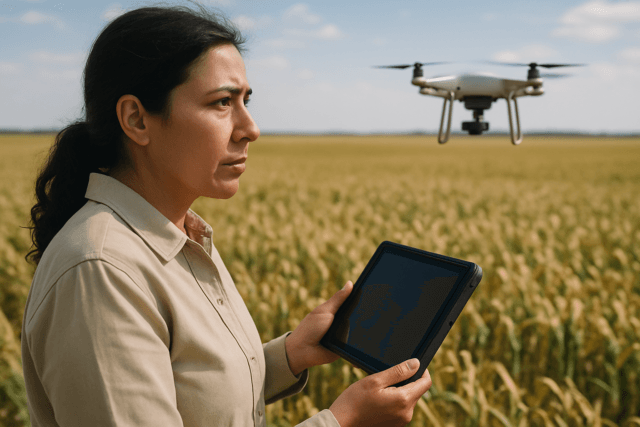
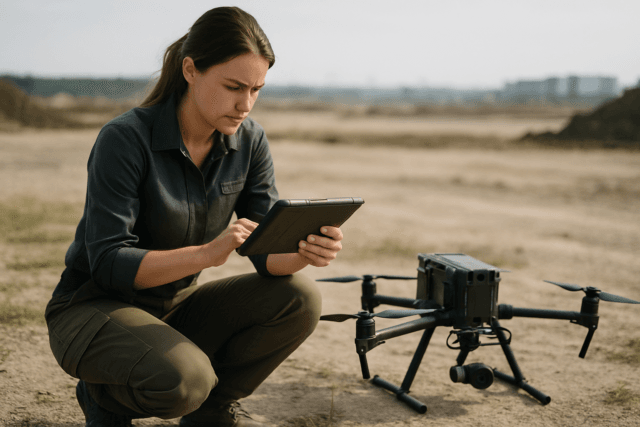
Unmanned Aerial Vehicles (UAVs), commonly known as drones, have evolved from niche tools into indispensable assets across various sectors, including security and surveillance. Modern drones are far more than just flying cameras; they are equipped with an array of sophisticated sensors capable of gathering diverse data types in real time. These include high-resolution optical cameras, thermal imaging systems, LiDAR (Light Detection and Ranging) for 3D mapping, and even radio frequency (RF) sensors to detect unauthorized wireless communications.
Drones offer unparalleled advantages in surveillance due to their ability to cover vast terrains, access hard-to-reach or hazardous areas, and provide an aerial perspective that enhances situational awareness. They can perform automated perimeter patrols, monitor critical infrastructure, oversee large public events, and even operate in extreme conditions where human presence might be impractical or dangerous. The data collected during these missions forms the raw material for advanced security intelligence.
Demystifying Predictive Analytics for Enhanced Security
Predictive analytics, at its core, leverages historical data, statistical algorithms, and machine learning techniques to forecast future events or trends. In the security domain, this means moving beyond merely reacting to incidents; instead, it empowers organizations to anticipate and prevent threats by identifying patterns of abnormal behavior, potential vulnerabilities, and emerging risks before they escalate. This proactive approach is crucial for contemporary security operations, enabling teams to mitigate threats effectively without significantly increasing manpower.
The importance of predictive analytics in security stems from its capacity to transform vast quantities of data into actionable intelligence. By analyzing past incidents, routine activities, and environmental factors, predictive models can discern subtle indicators that might otherwise go unnoticed, thereby providing an early warning system against potential dangers.
Bridging Drones and Analytics: The Power of Data Synergy
The true revolution occurs when the comprehensive data streams from drones are fed into predictive analytics platforms. Drones generate massive volumes of information, ranging from high-resolution imagery and video feeds to GPS coordinates, telemetry data, and sensor readings. When processed and analyzed by AI and machine learning algorithms, this raw data is transformed into meaningful metrics that drive decision-making and enable proactive security management.
Types of Drone Data for Security Threat Prediction
- Visual and Electro-Optical (EO) Data: High-resolution cameras capture detailed images and video, crucial for object detection, facial recognition (with ethical considerations), and tracking suspicious activities.
- Thermal Imagery: Infrared cameras detect heat signatures, allowing for surveillance in low-light conditions, identification of hidden individuals, or detection of unusual temperature patterns indicating potential equipment malfunction or fire risks.
- LiDAR Data: Provides precise 3D mapping and elevation models, useful for identifying changes in terrain, unauthorized construction, or potential entry points on a perimeter.
- Radio Frequency (RF) Spectrum Data: Monitoring RF signals can detect unauthorized communication devices or drones operating in restricted airspace, signaling potential espionage or malicious intent.
Machine Learning and AI in Drone Data Analysis
At the heart of predictive security analytics using drone data are advanced machine learning (ML) and artificial intelligence (AI) algorithms. These algorithms enable drones to process data in real-time, detect anomalies, and make informed decisions, often reducing the need for human intervention.
- Object Detection and Recognition: AI models are trained to identify specific objects, vehicles, or individuals within drone footage, differentiating between benign elements (e.g., birds) and potential threats (e.g., unauthorized drones).
- Behavioral Analysis: Algorithms can analyze movement patterns, speed, and trajectory to identify unusual or suspicious behaviors that deviate from established norms, such as loitering in restricted areas or abnormal crowd density.
- Anomaly Detection: By comparing real-time data against historical trends and baseline patterns, ML models can flag subtle deviations (e.g., an unexpected heat signature, a new path taken) that indicate emerging threats or vulnerabilities.
- Predictive Modeling: Based on identified patterns and historical incident data, these models can predict the likelihood of future security events, such as intrusions, theft, or even environmental disasters like wildfires.
Key Benefits of Predictive Analytics in Drone Security
The integration of predictive analytics with drone data offers significant advantages for enhancing security postures:
Proactive Threat Mitigation
The most profound benefit is the shift from reactive to proactive security. By anticipating threats, security personnel can intervene before incidents occur, potentially preventing crimes, breaches, or accidents. This includes identifying suspicious activities at borders, detecting unauthorized access to critical infrastructure, or even predicting potential crowd disturbances at large events.
Enhanced Situational Awareness
Drones provide a bird’s-eye view, offering comprehensive real-time situational awareness over large or complex areas. When combined with predictive analytics, this data is enriched with contextual insights and threat assessments, providing security teams with a deeper understanding of unfolding situations and enabling rapid, informed decision-making.
Optimized Resource Allocation
Predictive insights allow security agencies to allocate resources more effectively. By understanding where and when threats are most likely to occur, patrols can be optimized, and personnel can be deployed strategically, leading to more efficient use of manpower and equipment.
Cost-Effectiveness and Efficiency
Automated drone patrols and AI-driven data analysis can significantly reduce the need for manual inspections and human surveillance in hazardous or extensive areas, leading to lower operational costs and improved efficiency. Drones can complete tasks in hours or days that would take weeks using traditional methods.
Real-World Applications of Drone-Based Predictive Security
The applications of this technology span a wide range of security domains:
- Critical Infrastructure Protection: Drones conduct automated patrols and inspect facilities like power plants, oil pipelines, and data centers for unauthorized access, structural weaknesses, or unusual thermal signatures. Predictive analytics can forecast potential failures or vulnerabilities.
- Border Security and Intrusion Detection: Government agencies deploy AI-powered drones with thermal cameras and ML-based motion detection to patrol remote border areas, detect unauthorized crossings, and track suspects in real time, even at night or in challenging weather conditions.
- Public Safety and Crowd Monitoring: Drones oversee large public gatherings, events, and demonstrations. AI solutions can detect dangerous objects, identify abnormal crowd density patterns, and flag suspicious individual behaviors, allowing for timely intervention.
- Military and Defense: In military operations, drones are used for reconnaissance, intelligence gathering, and threat detection, with predictive analytics aiding in identifying enemy communications or potential attack vectors.
Challenges and Considerations for Implementation
Despite the immense potential, implementing predictive analytics with drone data for security threats comes with its own set of challenges:
- Data Volume, Storage, and Processing: Drones generate a tremendous amount of data (up to 70 terabytes per industrial flight), requiring robust infrastructure for collection, storage, and real-time processing. Cloud-based platforms and edge computing are crucial for managing this scale.
- Data Security, Privacy, and Ethical Concerns: Drone data, especially visual footage, can capture sensitive information, raising significant privacy and ethical concerns. Robust data encryption, secure transmission protocols, strict access controls, and adherence to privacy regulations are essential to protect against breaches and misuse.
- Regulatory Frameworks and Compliance: The rapid evolution of drone technology often outpaces regulatory development. Navigating complex airspace regulations, privacy laws, and ethical guidelines for surveillance is a continuous challenge for widespread adoption.
- Technical Limitations: Factors like drone battery life, weather conditions, and the need for robust connectivity in diverse environments can impact operational effectiveness and data reliability. Model bias in AI algorithms also needs to be addressed through ongoing data augmentation and retraining to ensure fair and accurate threat detection.
The Future Outlook for Drone Security and Predictive Analytics
The future of predictive analytics for security threats using drone data is bright, marked by continuous innovation. Advancements in AI, particularly deep learning and large language models (LLMs), are set to enhance drone autonomy, real-time decision-making, and adaptive threat detection capabilities. The global drone market is projected to reach US$279 billion by 2032, with AI drones integral to this growth.
Integration with 5G and 6G networks will enable faster data exchange and more coordinated operations for drone fleets. Furthermore, emerging technologies like quantum computing promise to revolutionize optimization, secure communications, and complex mission planning for AI-powered drones, offering unparalleled speed and precision. As these technologies mature, autonomous drone systems, capable of identifying and responding to threats with minimal human intervention, will become increasingly prevalent, further solidifying their role in safeguarding our world.