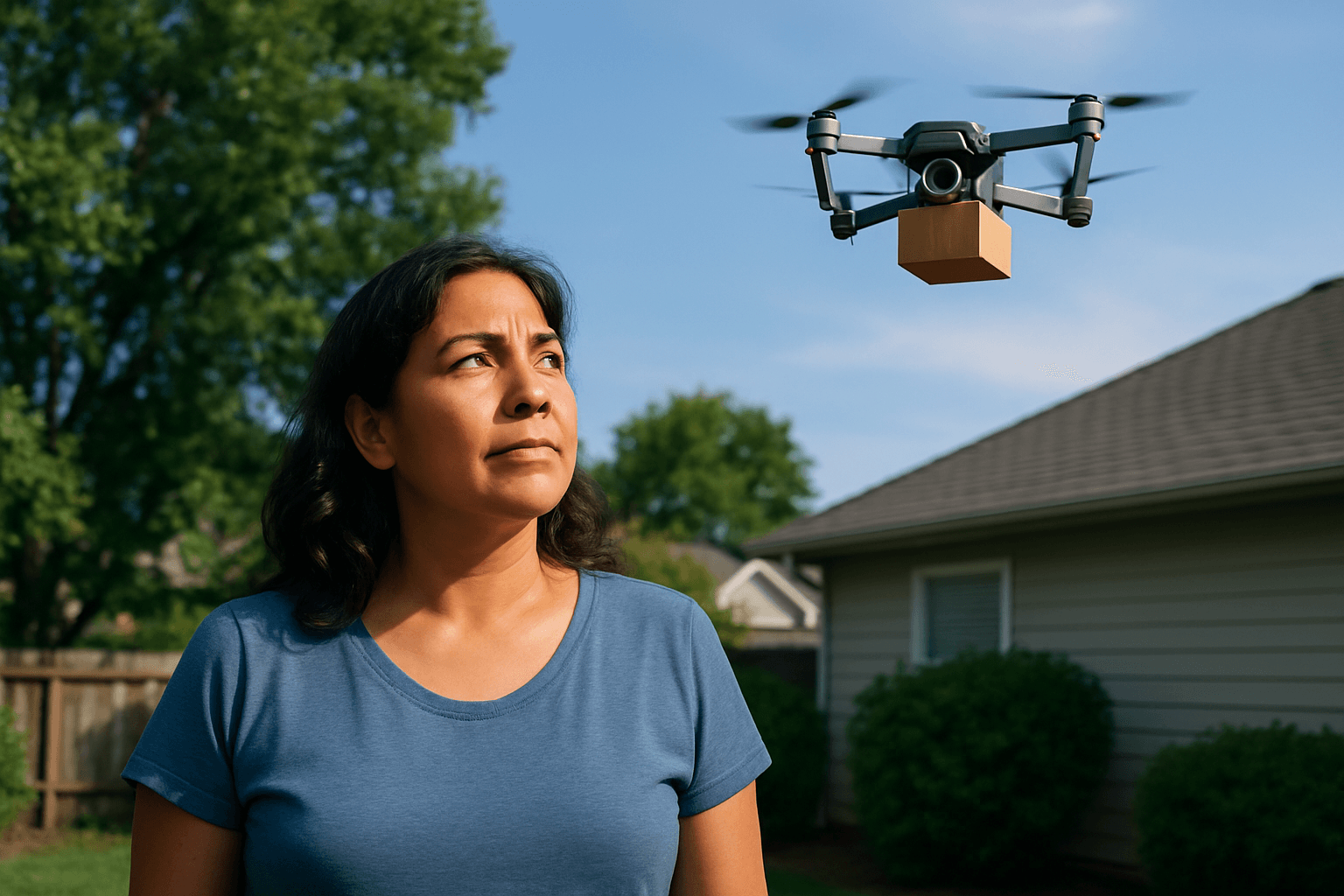
The hum of a drone delivering a package to a doorstep is rapidly transitioning from a futuristic concept to a present-day reality. As unmanned aerial vehicles (UAVs) become increasingly integrated into commercial logistics, particularly for last-mile delivery, understanding and addressing public perception in residential areas is paramount for widespread acceptance and successful deployment. This new frontier in convenience brings with it a complex interplay of enthusiasm, concern, and the critical need for effective regulation.
The Appeal and Growth of Drone Delivery
Drone delivery services promise a revolution in logistics, offering several compelling advantages. They can bypass traffic congestion, leading to significantly faster delivery times, sometimes even within an hour of an order being placed. This efficiency is particularly valuable for time-sensitive items or in areas difficult for traditional ground vehicles to access. Companies like Amazon and Walmart are at the forefront, developing systems that aim for rapid and precise deliveries, leveraging advanced GPS, AI-driven navigation, and various sensors.
Beyond speed, drones also present potential cost savings by reducing the need for human drivers and associated labor costs, and lower operational expenses through electric power. From an environmental perspective, electric drones can reduce greenhouse gas emissions compared to fossil-fuel-powered trucks, especially for light packages and when charged with low-carbon electricity.
Key Public Concerns Regarding Residential Drone Flights
Despite the touted benefits, the public perception of drones flying over residential areas is heavily influenced by a set of significant concerns. These typically revolve around privacy, noise pollution, and safety.
Privacy Concerns
One of the most pressing anxieties for residents is the potential for privacy invasion. Drones are equipped with cameras, GPS, and other sensors for navigation, which can capture high-resolution images, video footage, audio, and precise geolocation data of private properties. This raises fears about pervasive surveillance and the inadvertent monitoring of individuals’ activities in their private spaces without consent.
Federal Aviation Administration (FAA) safety regulations that mandate drones to broadcast their in-flight location and a unique identifier (Remote ID) further contribute to privacy concerns, as this information can be intercepted by third parties to track flight patterns and infer sensitive details about customer purchasing habits or locations. Research indicates that a significant majority of Americans (66%) oppose drones taking videos or images of their homes. Consumers may even be willing to pay more for privacy-enhanced delivery options, or choose ground vehicles over drones without such safeguards.
Noise Pollution
The distinct whirring or buzzing sound of drones is another major point of contention. Unlike the lower-frequency rumble of cars or trucks, drones typically emit higher-pitched broadband noise signatures that can be perceived as more intrusive and irritating, even at lower decibel levels. The repetitive nature of drone flights, especially in densely populated areas, could lead to persistent and disruptive noise pollution, degrading the urban sound environment.
Some residents living near drone distribution facilities have already reported significant annoyance due to the frequent, high-pitched drone noise, comparing it to a constant mosquito buzz. Regulators are recognizing the need to consider not only where drones can fly but also when, to mitigate noise disturbance. Newer drone models are being developed with reduced noise levels, but the frequency of flights remains a concern.
Safety and Security Risks
The prospect of drones flying overhead inevitably raises questions about safety. Concerns include the risk of drones malfunctioning and colliding with other aircraft or crashing to the ground, potentially causing injury or property damage. Suburban neighborhoods, with children playing outdoors, pets, and unpredictable obstacles like tree branches, present unique safety challenges. The FAA has issued guidelines, such as flying below 400 feet and avoiding flights over gatherings, but enforcing these in sprawling residential areas is challenging.
Security is also a factor, with worries about drones being susceptible to hacking, leading to potential GPS spoofing, unauthorized access, or even the weaponization of a drone. Companies are working on advanced safety features, such as sense-and-avoid systems, but public trust hinges on a robust safety record.
Perceived Benefits and Public Acceptance
Despite the concerns, public acceptance of drone delivery can be remarkably positive, particularly among those who have experienced it. Early surveys conducted among populations without direct experience often showed lower support, with figures ranging from 23% to 50%. However, research conducted in communities with active drone delivery services, such as Christiansburg, Virginia, revealed a different picture. A Virginia Tech survey found that 87% of residents had positive sentiments about drone delivery, 89% would likely use the service, and 87% viewed it equally or more favorably than other drone applications. This suggests that familiarity can breed acceptance.
The benefits that resonate most with the public include:
- Convenience and Speed: The allure of rapid, on-demand delivery directly to one’s home is a significant draw.
- Reduced Traffic Congestion: By taking deliveries to the air, drones can help alleviate road traffic, especially for last-mile logistics.
- Environmental Advantages: The potential for reduced carbon emissions from electric drones is seen as a positive.
- Accessibility: Drones can reach remote or hard-to-access locations more easily than traditional vehicles, offering a valuable service in underserved areas.
The Role of Regulation and Addressing Concerns
The evolving landscape of drone delivery necessitates comprehensive regulation to balance innovation with public comfort and safety. The FAA sets federal guidelines, including altitude limits (typically 400 feet AGL), requirements for Remote ID, and rules against flying over people without waivers. However, state and local regulations also play a crucial role, with some jurisdictions enacting stricter rules regarding privacy, noise, and flight paths. Many Americans support these local governments having the authority to adopt stricter drone delivery rules.
To address public concerns, drone delivery companies and regulators are exploring various solutions:
- Technological Advancements: Developing quieter drones (e.g., Amazon’s MK30 drone designed to reduce perceived noise by almost half) and more robust sense-and-avoid systems are key to mitigating noise and safety risks.
- Privacy-Enhancing Routing: Implementing strategies like aggregating orders and randomizing delivery sequences can help obscure a customer’s specific purchasing patterns, though this might introduce additional delays or fees.
- Community Engagement: Open communication and transparent operations with communities can build trust. Designing delivery routes to minimize noise exposure in sensitive areas like schools and hospitals is also critical.
- Clear Terms of Service: Companies may include legal language in terms of service to obtain consent for drones to descend over private property.
- Dedicated Infrastructure: Future solutions could involve drone docking stations or designated delivery pads to streamline operations and minimize disruption.
The Future of Drone Delivery and Public Acceptance
The public perception of drones flying over residential areas is a dynamic and multifaceted issue. While concerns about privacy, noise, and safety are legitimate and widespread, practical experience with drone delivery services often leads to increased acceptance and positive sentiment. The industry’s growth is contingent on effectively addressing these concerns through technological innovation, clear and adaptable regulations, and proactive community engagement. As drone technology continues to mature and integrate into daily life, the dialogue between technological advancement and societal comfort will remain central to shaping its future.