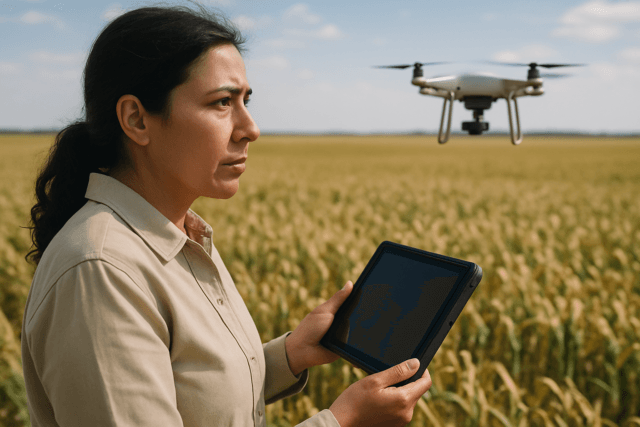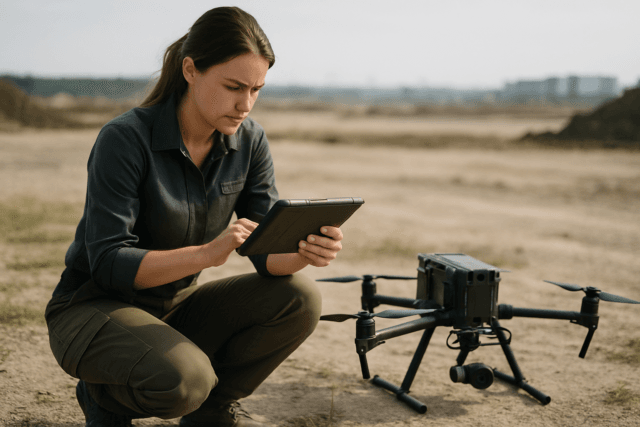

The landscape of surveillance and security is undergoing a profound transformation, driven largely by the integration of unmanned aerial vehicles (UAVs). Among the most impactful advancements in this field is the proliferation of autonomous flight paths for security drones. These intelligent, self-piloting systems are redefining how organizations protect assets, monitor perimeters, and respond to potential threats, offering a suite of compelling advantages over traditional security methods.
Autonomous security drones, equipped with advanced sensors, cameras, and AI-powered navigation, can perform security tasks automatically without direct human control. They can patrol predefined routes, identify suspicious activities using AI and machine learning, track intruders, and alert security personnel in real time, even returning to charging stations autonomously. This capability fundamentally enhances security operations across various sectors, from critical infrastructure to smart cities.
Enhanced Surveillance and Comprehensive Coverage
One of the most significant benefits of autonomous flight paths for security drones is their ability to provide unparalleled surveillance and comprehensive coverage. Unlike static cameras or human patrols, drones offer a dynamic, bird’s-eye view that can quickly scan vast areas and access locations difficult or dangerous for ground-based personnel.
24/7 Monitoring and Blind Spot Elimination
Autonomous drones can operate continuously, around the clock, ensuring persistent vigilance that human guards cannot consistently maintain. This 24/7 monitoring capability significantly reduces the potential for blind spots that might exist in traditional security setups, providing an improved overview often inaccessible to ground patrols. Equipped with specialized sensors like thermal imagers and night vision devices, these drones can function effectively in all weather conditions and at any time of day, detecting activity even in poor visibility.
Access to Challenging Terrain and Remote Areas
UAVs can rapidly navigate and access hard-to-reach locations, making them ideal for monitoring vast and hazardous areas such as industrial facilities, pipelines, or remote borders. This ability ensures comprehensive coverage regardless of terrain, allowing security teams to inspect critical infrastructure and gather data efficiently without exposing human personnel to risk.
Increased Efficiency and Productivity
Autonomous flight paths drastically improve the efficiency and productivity of security operations by automating routine tasks, streamlining workflows, and enabling faster mission completion.
Automation of Routine Patrols
Security drones can be programmed to follow specific flight plans and schedules, performing repetitive surveillance tasks with precision and consistency. This automation frees up human security personnel to focus on higher-value activities, such as threat analysis and response, rather than tedious patrolling. The ability to fly the same route on an automated, routine patrol path allows for efficient detection of changes, threats, leaks, or damage.
Faster Operations and Data Collection
Autonomous drones can execute missions much faster than manual operations, especially across large or complex environments. They can swiftly gather high-quality images and video footage in real time, collecting thousands of data points in a single flight. This rapid data collection and real-time streaming to security teams enables quicker situation assessment and more informed decision-making. Optimized energy usage and real-time path adjustments help conserve battery life, allowing drones to cover more ground or extend their operational time.
Significant Cost-Effectiveness
Integrating autonomous security drones offers substantial cost savings compared to traditional security methods, making advanced surveillance more accessible and sustainable.
Reduced Labor and Operational Expenses
The automation provided by autonomous drones significantly minimizes the need for a large security staff or extensive ground patrols, directly reducing labor costs. Operating drones is often 10-20 times cheaper than maintaining manned helicopters for aerial surveillance. Furthermore, one operator can potentially control multiple autonomous drones, or the UAVs can operate entirely independently, leading to considerable budget savings in the long term.
Lower Maintenance and Infrastructure Costs
While initial investment might be present, the long-term cost savings are substantial. Autonomous drones reduce the need for installing and maintaining expensive networks of stationary cameras across vast perimeters. Additionally, features like advanced diagnostics and predictive maintenance contribute to lower maintenance costs and reduced downtime for the drone systems themselves.
Rapid Response and Proactive Threat Management
Autonomous security drones dramatically improve response times to incidents and enable proactive threat management through AI-powered analysis and real-time alerts.
Swift Detection and Alerting
Equipped with AI and machine learning algorithms, autonomous drones can independently detect suspicious activity, abnormal patterns, and unauthorized intrusions. Upon identification, they automatically generate and send real-time alerts to security personnel, providing live video and location data for immediate analysis. This rapid detection and communication are crucial for effective emergency management.
Intelligent Response and Deterrence
Drones can be rapidly deployed within minutes of receiving an incident signal, overcoming obstacles and traffic to quickly reach the scene. Some systems can even dispatch another autonomous robot (UAV or UGV) for detailed investigation, using features like speakers or strong lights to deter intruders. AI-enabled solutions also become more accurate over time through history-based learning, allowing for proactive security that helps teams react instantly to potential events before they escalate. They can also filter out false alarms, allowing security personnel to focus on genuine threats.
Enhanced Safety for Security Personnel
Autonomous drones significantly enhance the safety of security personnel by reducing their exposure to hazardous situations and providing critical information before human intervention.
Mitigating Risks in Dangerous Environments
Drones can survey high-risk areas such as disaster zones, hazardous industrial sites, or hostile environments without jeopardizing human lives. This capability is vital for assessing the level of danger and gathering comprehensive situational awareness before security teams or law enforcement enter a potentially dangerous scene.
Support for Incident Response
By providing real-time aerial footage and tracking information, drones offer invaluable support during incident response, suspect apprehension, and crime scene coverage. This allows security personnel to be fully briefed and assess risks effectively, minimizing their exposure to harm.
Advanced AI-Powered Threat Detection and Analysis
The integration of artificial intelligence (AI) is a cornerstone of autonomous drone security, enabling sophisticated threat detection and analytical capabilities that surpass human limitations.
Object Recognition and Anomaly Detection
AI algorithms allow drones to process large volumes of data in real time, identifying and distinguishing between various objects and anomalies. This includes automatically classifying objects and people as “threats” or “friendly” and detecting dangerous objects, weapons, perimeter intrusions, or unusual behavior. Machine learning helps differentiate between normal and suspicious activity, becoming more accurate over time.
Predictive Analysis and Decision-Making
Beyond real-time detection, AI can perform forecast analysis, identifying system vulnerabilities before they develop into security threats. By analyzing historical security breach data and environmental components, AI systems can develop risk models and even simulate security scenarios, enabling proactive resource allocation and threat management. This empowers drones with autonomous decision-making capabilities, allowing them to adapt to changing conditions and perform complex tasks without continuous human input.
Scalability and Versatility
Autonomous drone security solutions are highly scalable and versatile, capable of adapting to a wide range of security needs and integrating with existing systems.
Multi-Drone Operations and Integration
Autonomous drones can operate independently or in swarms, allowing for the deployment of multiple systems to cover extensive areas and maximize return on investment. They can be seamlessly integrated with existing security infrastructure, such as CCTV and motion sensors, enhancing overall coverage and responsiveness. This adaptability makes them suitable for diverse applications, from critical infrastructure protection to public safety and event monitoring.
The advantages of autonomous flight paths for security drones are clear and compelling. From enhancing surveillance and reducing costs to improving personnel safety and leveraging advanced AI for threat detection, these UAVs are not just augmenting traditional security measures but are fundamentally redefining them. As technology continues to evolve, autonomous security drones are set to become an even more indispensable component of modern safety and surveillance strategies.