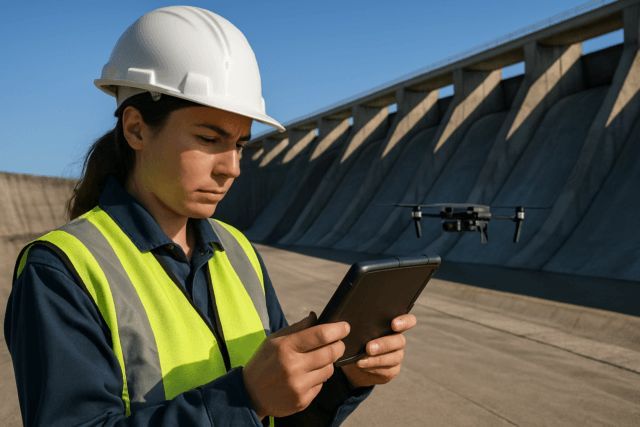

Precision agriculture is rapidly adopting drone technology for tasks ranging from crop monitoring to livestock management, promising unprecedented efficiency and oversight. However, as the skies above farms become busier, a critical question emerges: what is the impact of drone noise pollution on the welfare and productivity of livestock? While drones offer numerous benefits, their characteristic buzzing hum introduces a novel environmental stressor that warrants careful consideration for animal health and sustainable farming practices.
The Silent Threat: How Noise Affects Animal Welfare
Noise pollution, generally defined as any unwanted or excessive sound that can disrupt human or animal life, is a well-documented environmental stressor. In animals, chronic exposure to noise can induce physiological stress, leading to a cascade of negative effects on health, behavior, and reproductive success. These effects can range from immediate fright or alarm responses to more subtle, long-term alterations in metabolism and immune function.
Animals rely on acoustic signals for vital functions such as communication, finding mates, avoiding predators, and navigating their environment. Drone noise can mask these essential sounds, interfering with their ability to interact with their surroundings and potentially leading to maladaptive behaviors, where animals habituate but become more vulnerable to real threats. Studies on various wildlife have shown that noise pollution can lead to increased heart rates, altered breathing, sleep disturbances, and changes in endocrine and cardiovascular systems.
Drones in the Field: A New Source of Agricultural Noise
Unmanned Aerial Vehicles (UAVs), or drones, introduce a distinct acoustic signature into agricultural landscapes. The noise levels generated by drones vary significantly based on their type, size, and operational parameters. Small recreational drones typically produce noise levels between 50 and 65 dB, while consumer quadcopters, often used for aerial photography, range from 60 to 75 dB at a distance of about 10 feet. Professional or commercial drones, used for agricultural applications, industrial inspections, or cinematography, are generally louder, producing 70 to 85 dB at 20 feet, with some heavy-lifters reaching 85-95 dB.
The perceived loudness and impact of drone noise are not solely dependent on decibel levels; the unique “tonal” quality, a mix of hums and whistles from rotating blades and motors, can be particularly annoying or disturbing. Factors influencing drone noise levels include:
- Drone Type and Size: Larger drones with more powerful motors and propellers are generally louder.
- Flight Maneuvers: Hovering, ascending, and descending maneuvers tend to be louder than cruising at steady speeds or turning.
- Altitude and Distance: Noise dissipates with distance. A drone’s sound becomes significantly less noticeable at altitudes above 100 to 150 feet (30 to 45 meters). Flying at higher altitudes generally decreases noise at ground level.
- Speed: Slower, steady speeds are often quieter than sudden, jerky movements.
Specific Impacts on Livestock Species
While extensive research specifically on drone noise pollution’s long-term impact on livestock (e.g., cattle, sheep, poultry) remains an emerging field, existing studies on wildlife and general noise pollution provide valuable insights. Animals exhibit species-specific sensitivities and responses to noise.
- Cattle: Drones are increasingly used for cattle management, including monitoring herds, finding lost animals, checking for estrus, and even herding. While some observations suggest cattle can adapt to drone sounds after a short acclimation period, noise is still recognized as an environmental stressor for them. Initial fright or alarm reactions have been observed in cattle due to unpleasant noises. Studies on stress in cattle show that noise can affect their behavioral, physiological, and performance reactions, leading to increased hormonal production and heart rate.
- Poultry: Poultry are known to have severe fright reactions to loud noise, which could adversely affect egg production. High-intensity sound has been noted to inhibit hen maternal behavior, resulting in fewer hatched eggs.
- General Livestock: Noise can lead to increased heart rates and respiration rates in lambs and pigs. Chronic noise exposure can affect health, reproductive success, and may even cause color changes in lamb meat, impacting economic outcomes.
A review of drone disturbances on wildlife found that drone altitude, speed, approach distance, and noise levels significantly influence responses, with some species showing increased vigilance, flight, or physiological stress. Although short-term behavioral changes are documented, the long-term consequences of repeated drone exposure on livestock are still not well understood.
Behavioral and Physiological Responses to Drone Noise
The impact of drone noise extends beyond a simple startle. Livestock may exhibit a range of responses:
- Increased Vigilance and Startle Responses: Animals may become more alert, change their posture, or exhibit sudden movements in response to drone presence. This constant state of heightened awareness can lead to chronic stress.
- Avoidance and Displacement: Livestock might move away from areas where drones are frequently operated, leading to displacement from optimal grazing or resting areas. This can affect foraging efficiency and energy intake.
- Physiological Stress: Even without overt behavioral changes, the internal physiological stress response can be significant. Studies show noise can elevate stress hormones, such as cortisol, which can negatively impact growth, reproduction, and immune function. Black bears, for example, showed a quadrupling of heart rate when a drone was nearby, though they could habituate over weeks.
- Interference with Communication: For species that rely on acoustic cues for social interactions or detecting threats, drone noise can “mask” these signals, disrupting complex social behaviors like herd cohesion and predator-prey dynamics.
Mitigating the Buzz: Strategies for Responsible Drone Use in Agriculture
As drone applications in precision agriculture continue to expand, minimizing their noise impact on livestock is crucial for animal welfare and operational effectiveness. Several strategies can help mitigate these effects:
- Optimal Flight Parameters:
- Altitude: Flying drones at higher altitudes significantly reduces audible noise on the ground. Once a drone reaches around 100-150 feet (30-45 meters), its noise becomes much less noticeable. Maintaining sufficient distance (e.g., above 80m for sensitive breeding birds, and restricting flights below 30m for marine mammals) is recommended for wildlife.
- Speed and Path: Employing smooth, steady flight speeds and avoiding sudden, jerky movements can reduce noise. Oblique approaches rather than direct overhead paths can also minimize disturbance.
- Drone Technology Advancements:
- Quieter Designs: Engineers are continuously working on innovations like quieter electric motors, optimized aerodynamics, and sound-dampening materials to minimize noise.
- Low-Noise Propellers: Specially designed “low-noise” propellers, optimized to create less air turbulence, can make a surprising difference.
- Quiet Modes: Some newer drones include a ‘quiet mode’ in their software, offering a trade-off with battery life for reduced sound output.
- Operational Planning and Awareness:
- Environmental Context: Consider the local ambient noise levels. In rural settings, ambient noise can be as low as 35 dBA at night and 45 dBA during the day, making drone noise more pronounced.
- Species Sensitivity and Life Stages: Be aware of the specific livestock species’ sensitivities and avoid drone operations during critical periods like breeding seasons or calving, when animals are most vulnerable to disturbance.
- Habituation Considerations: While some animals might habituate, relying solely on this is not ideal. Repeated, controlled exposure can aid in habituation if necessary for specific tasks, but it should be carefully managed to avoid chronic stress.
Conclusion
Drones are invaluable tools for modern agriculture, offering efficiency and insights previously unattainable. However, their increasing presence necessitates a deeper understanding of their potential impact on livestock welfare, particularly concerning noise pollution. The scientific community has identified that drone noise can cause stress, alter behavior, and potentially affect the health and productivity of animals, though detailed, long-term studies on farm animals are still emerging. By implementing thoughtful operational strategies and embracing technological advancements aimed at noise reduction, the agricultural sector can harness the full potential of drone technology while safeguarding the well-being of its livestock. Continued research into drone-livestock interactions is vital to develop best practices and informed regulations for this evolving field.