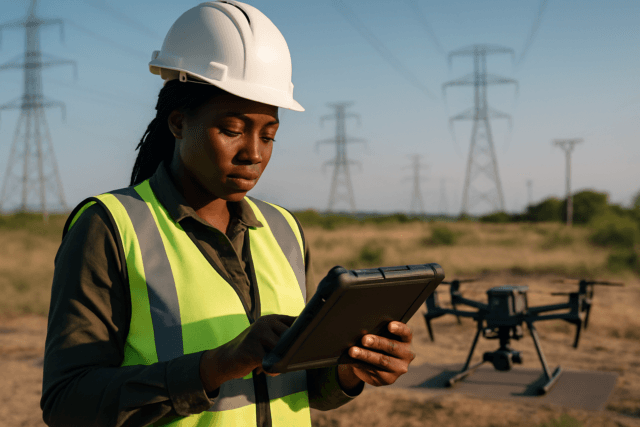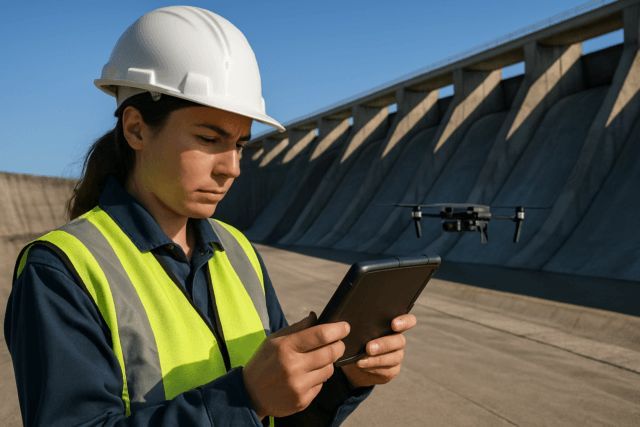

The rhythmic buzz of drone propellers is increasingly becoming a sound of hope in the fight against one of the planet’s most persistent environmental crises: illegal deforestation. Across vast, often inaccessible forested regions, these unmanned aerial vehicles (UAVs) are revolutionizing how conservationists, governments, and local communities monitor and protect vital ecosystems. From real-time detection to empowering on-the-ground action, drone technology is proving to be an indispensable tool in safeguarding our planet’s green lungs.
The Global Threat of Illegal Deforestation
Deforestation, particularly illegal logging, poses a severe threat to global biodiversity, climate regulation, and the livelihoods of forest-dependent communities. Between 2015 and 2020, tropical rainforests alone lost an average of 9.3 million hectares each year, primarily due to human activities such as agriculture, logging, and mining. This rapid rate of loss contributes significantly to greenhouse gas emissions and strips essential habitats from countless species. Traditional monitoring methods, often labor-intensive, time-consuming, and expensive, struggle to keep pace with the scale and stealth of illegal operations across vast and remote terrains.
Drones Emerge as a Powerful Eye in the Sky
Drones offer a more efficient, cost-effective, and less intrusive alternative to conventional aerial or ground-based surveys. Equipped with advanced sensors and cameras, UAVs can cover expansive areas quickly, providing high-resolution data that reveals even small-scale forest disturbances. This capability is crucial in remote and difficult-to-reach areas, allowing for frequent and detailed surveys that were previously impossible.
Advanced Sensor Technologies for Comprehensive Monitoring
The effectiveness of drone surveillance for illegal deforestation detection lies in the sophisticated payload of sensors they carry:
- High-Resolution RGB Cameras: These capture detailed visual imagery, allowing for the identification of cleared areas, logging roads, illegal settlements, and the presence of logging equipment. High-resolution drone imagery can even detect individual trees with high accuracy.
- LiDAR (Light Detection and Ranging): LiDAR technology creates precise 3D models of forest structure, canopy height, and terrain. This data is invaluable for detecting subtle changes in forest density, identifying newly cleared plots beneath the canopy, and assessing biomass and carbon stock.
- Multispectral and Hyperspectral Sensors: These sensors capture data beyond the visible light spectrum, revealing information about vegetation health, species identification, and stress levels that are invisible to the human eye. Changes in spectral signatures can indicate recent deforestation or forest degradation.
- Thermal Sensors: Thermal cameras can detect heat signatures, useful for identifying hidden logging camps, active fires (both natural and intentionally set to clear land), and even wildlife at night.
Leveraging AI and Data Analytics
Raw data collected by drones is transformed into actionable intelligence through the power of Artificial Intelligence (AI) and machine learning (ML). AI algorithms analyze vast amounts of imagery and sensor data to automatically detect anomalies, classify land cover changes, and identify patterns indicative of illegal deforestation. This AI-enhanced analysis enables faster, more accurate results and allows for predictive modeling to identify potential high-risk areas for future illegal activities.
Benefits of Drone Surveillance in Forest Conservation
The adoption of drone technology brings a multitude of advantages to the realm of environmental monitoring and forest conservation:
- Cost-Effectiveness: Drones offer a significantly more affordable alternative to traditional methods like manned aircraft or extensive ground patrols, reducing the need for costly equipment and manpower.
- Real-time and High-Resolution Data: Drones provide frequently updated, high-resolution imagery and data, enabling quick detection and response to illegal activities. This unprecedented spatial and temporal resolution helps identify small-scale forest disturbances with high accuracy (up to 96%).
- Accessibility to Remote Areas: Drones can access terrains that are dangerous, difficult, or impossible for humans to reach, such as dense forests or areas affected by natural disasters.
- Reduced Human Risk and Environmental Disturbance: By performing aerial surveillance, drones minimize risks to human safety and reduce disturbance to wildlife and delicate ecosystems.
- Evidence for Enforcement: The high-resolution imagery and detailed data collected by drones can serve as crucial evidence for law enforcement agencies to prosecute illegal loggers and miners.
Challenges and Limitations
Despite their immense potential, drone surveillance systems for deforestation detection face several challenges:
- Flight Duration and Range: Current drone battery life can limit the coverage area and flight duration, especially in vast forest regions.
- Weather Conditions: Adverse weather, particularly heavy rain and strong winds common in tropical forests, can hinder drone operations. Cloud cover can also obstruct visual data collection, though technologies like Synthetic Aperture Radar (SAR) can penetrate clouds.
- Regulatory Hurdles: Fragmented and evolving regulations for UAV operation across different countries can limit deployment and cross-border collaboration.
- Data Processing and Storage: The sheer volume of high-resolution data generated by drones requires robust processing capabilities and significant storage solutions.
- Skilled Operators: Operating advanced drones and interpreting complex sensor data requires specialized training and expertise.
Real-World Applications and Success Stories
Across the globe, drone technology is already making a tangible difference in the fight against deforestation:
- Amazon Rainforest: Organizations in the Peruvian Amazon have implemented local-based drone programs to monitor deforestation and illegal logging in near real-time, using both multi-rotor and fixed-wing drones. These efforts focus on critical areas like Brazil nut concessions and along major highways. One initiative in Peru’s Loreto region, involving nearly 80 native communities, saw a 52% reduction in deforestation in its first year through drone and smartphone monitoring.
- Indonesia: In Indonesia, a country with significant deforestation rates, drones are used by local communities and NGOs to create reliable and precise maps that help stop activities accelerating forest loss. This approach significantly cuts costs and time compared to traditional mapping.
- Reforestation Efforts: Beyond detection, drones are actively involved in reforestation. Companies like AirSeed Technologies use AI-powered drones to plant specialized seed pods, capable of planting 40,000 pods a day, a method reportedly 25 times faster and 80% cheaper than traditional hand planting. These drones can access areas inaccessible to human planters, accelerating ecosystem recovery after wildfires or logging.
The Future of Drone Applications in Environmental Monitoring
The future of drone surveillance in environmental monitoring is characterized by continuous innovation and expanding capabilities. Expect to see:
- Enhanced Endurance and Autonomy: Next-generation drones will feature longer flight ranges and extended operational duty cycles, enabling longer missions and wider area surveillance.
- Advanced AI Integration: Further advancements in AI and machine learning will allow drones to perform more complex tasks autonomously, with improved object recognition, path planning, and obstacle avoidance.
- Integration with IoT and 5G: Seamless integration with Internet of Things (IoT) devices and 5G networks will enable real-time data exchange, enhancing responsiveness and decision-making.
- Specialized Drone Development: The development of drones specifically designed for distinct industrial and environmental needs, potentially with quieter and greener operation, will broaden their application.
- Synergy with Satellite Imagery: Drones will continue to complement satellite-based remote sensing, offering detailed, high-resolution imagery that fills gaps in satellite coverage, especially in areas with persistent cloud cover.
As technology progresses, drone surveillance for illegal deforestation detection will become even more sophisticated, offering a critical line of defense for our planet’s forests and the countless species that depend on them.