The vast, intricate networks of railway tracks are the arteries of global commerce and transportation, carrying millions of passengers and vast quantities of freight daily. Ensuring their uninterrupted and safe operation demands continuous inspection and proactive maintenance. However, traditional inspection methods, often slow, dangerous, and resource-intensive, are increasingly struggling to keep pace with the scale and speed requirements of modern rail systems. Enter drone technology, an innovative solution redefining how rail operators approach asset integrity and operational reliability.
The Limitations of Traditional Railway Inspection Methods
For decades, railway track inspection has relied heavily on manual patrols, track-mounted vehicles, and scheduled visual assessments. While these methods have served the industry, they come with significant drawbacks. Manual inspections expose personnel to inherent risks from live tracks, harsh weather conditions, and remote, difficult terrain. This method is labor-intensive, time-consuming, and particularly challenging for covering extensive networks or hard-to-reach areas like bridges and tunnels.
Track geometry vehicles, while offering accuracy, are expensive to operate and cannot be deployed with the frequency required across entire networks. Furthermore, both manual and vehicle-based inspections often necessitate track closures or slowdowns, leading to service disruptions and costly downtime. Crucially, these approaches frequently detect issues only after degradation has progressed, increasing the risk of accidents and operational failures.
Drones: A Paradigm Shift in Rail Infrastructure Management
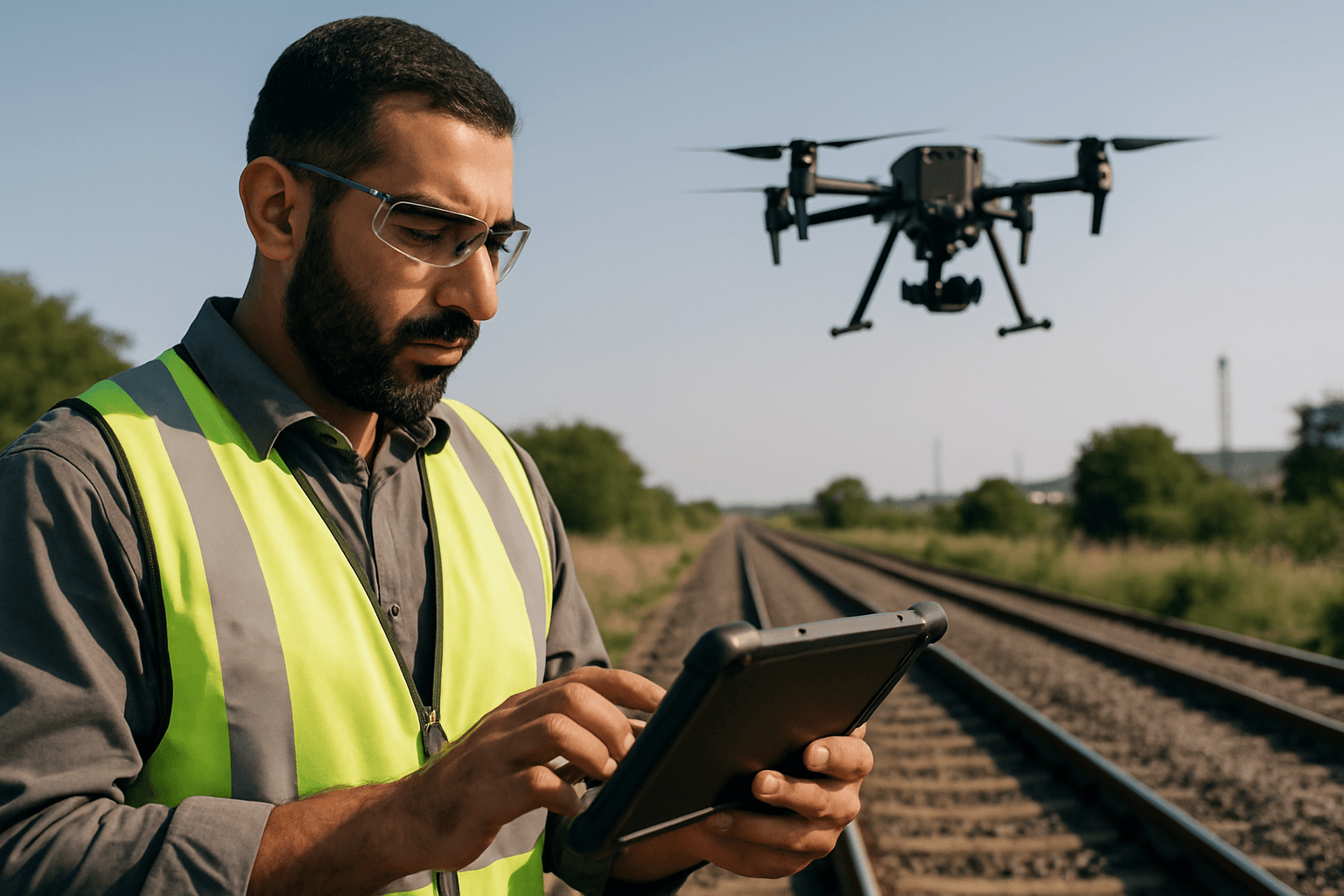
The adoption of drone technology marks a significant shift from reactive inspection cycles to predictive, data-driven maintenance strategies. Unmanned Aerial Vehicles (UAVs), commonly known as drones, offer a fundamentally different approach by providing an aerial perspective that captures continuous track data across long corridors in a single mission. This enables faster, safer, and more scalable monitoring of tracks and associated infrastructure.
Enhanced Safety and Efficiency
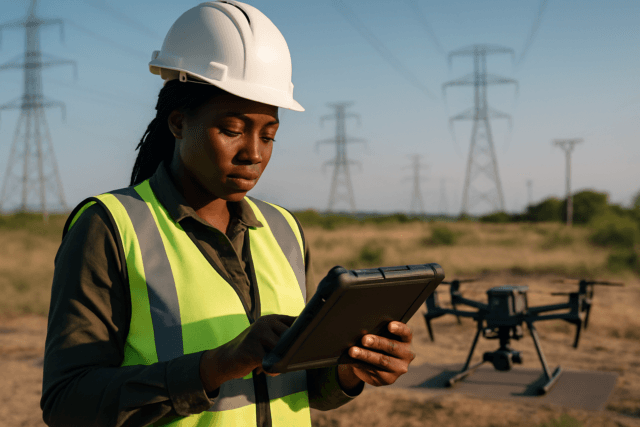
One of the most compelling advantages of drone-based inspection is the drastic improvement in workforce safety. Drones remove the need for human personnel to be physically present on or near live tracks, at height, or around high-voltage systems, thereby minimizing exposure to hazardous environments and significantly reducing accident risks. This safety-first approach aligns with modern rail operators’ commitment to zero-harm objectives.
Beyond safety, drones introduce unparalleled efficiency. They can cover vast linear assets far more quickly than traditional methods, with some studies suggesting they are up to five times more efficient for rail infrastructure inspections, potentially reducing costs by 30%. Drones can conduct non-intrusive inspections, often without disrupting train operations, allowing for continuous monitoring and earlier detection of potential problems.
Comprehensive Data Acquisition with Advanced Sensors
Modern railway inspection drones are professional UAVs equipped with a diverse range of sophisticated sensors designed to capture comprehensive data on railway infrastructure. These include:
- High-Resolution RGB Cameras: Capable of capturing detailed 4K images and videos, these cameras provide clear visual evidence for detecting surface defects, rail wear, fastening irregularities, and general track conditions.
- Thermal Cameras: Drones fitted with thermal cameras can detect temperature variances, identifying “hot spots” that indicate excessive friction, electrical anomalies in signaling equipment or overhead lines, and even water ingress patterns or potential fire hazards.
- LiDAR (Light Detection and Ranging) Sensors: Laser rangefinders measure distances with high precision, generating detailed 3D models of tracks, bridges, and surrounding areas. LiDAR enables accurate assessment of track alignment, rail gauge measurements, and detection of deviations, even in conditions with dense vegetation or low light.
- Ultrasonic Sensors: These sensors use high-frequency sound waves to detect surface and subsurface anomalies such as cracks, voids, or metal fatigue in railway tracks or infrastructure, particularly useful for non-destructive testing of welds and joints.
This multi-sensor approach allows for a holistic assessment of various railway components, including tracks, overhead lines, bridges, tunnels, culverts, retaining walls, signals, and the “right-of-way” corridor.
Detecting Critical Defects with Drone Technology
Drones excel at identifying a wide array of railway defects and issues that are critical for proactive maintenance:
- Track and Rail Integrity: High-resolution imagery can pinpoint surface cracks, rail head wear, and fastening irregularities.
- Ballast and Drainage Issues: From an aerial perspective, drones can assess ballast degradation, washouts, and drainage blockages, especially after heavy rainfall.
- Vegetation Management: Drone-based inspections help identify vegetation encroachment and clearance issues along the corridor, supporting proactive management before they affect operations.
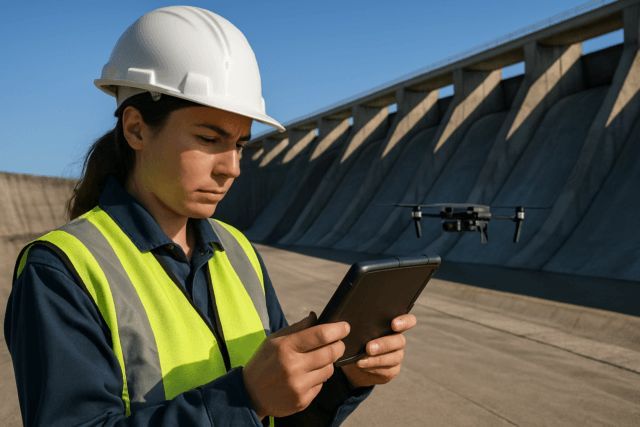
- Structural Health: Drones are commonly used for inspecting bridges, culverts, and retaining walls, providing aerial perspectives and close-range imagery to assess surface condition, joints, bearings, and signs of movement or deterioration.
- Electrical and Signaling Components: Thermal sensors can detect electrical hotspots in signaling equipment and overhead infrastructure, identifying potential failures in advance.
- Obstruction Detection: Drones can monitor for obstructions on the tracks or unauthorized activity along the right-of-way, enhancing overall security.
Data Processing and Actionable Insights
Capturing data is only the first step. The true power of drone-based monitoring lies in the subsequent data processing and analysis. Raw data undergoes refinement using specialized software like Pix4D, RealityCapture, and 3DF Zephyr to enhance image quality and correct distortions.
The integration of Artificial Intelligence (AI) and Machine Learning (ML) has transformed this raw data into actionable insights. AI-driven drones can autonomously process large volumes of data, identify patterns, and detect potential issues that might be missed in manual inspections. Technologies such as object detection, optical flow, and 3D modeling enable drones to identify specific features like railway fasteners, cracks, or missing components, track structural shifts, and create precise digital twins of the infrastructure. This enables railway operators to transition from reactive to predictive maintenance, reducing costs, enhancing safety, and optimizing performance.
Challenges and Future Outlook
While the benefits are clear, the widespread adoption of drone technology in railway monitoring also presents challenges. Regulatory hurdles, particularly concerning Beyond Visual Line of Sight (BVLOS) operations, airspace restrictions, and potential electromagnetic interference near active railway corridors, require careful consideration and adherence to safety regulations. Other considerations include battery life limitations for extended missions, the complexity of managing vast amounts of data, and the initial investment in training and licensing staff for drone operations.
Despite these challenges, the future of drone-based railway monitoring is highly promising. As sensor technology and autonomy continue to advance, drones will become even more sophisticated. Increased AI integration will lead to more automated and precise defect detection, while extended-range operations will enable continuous monitoring across remote corridors. The synergy of drone technology with other inspection systems, such as ground-based sensors and satellite data, will create comprehensive monitoring ecosystems, paving the way for smarter, safer, and more resilient rail networks worldwide.