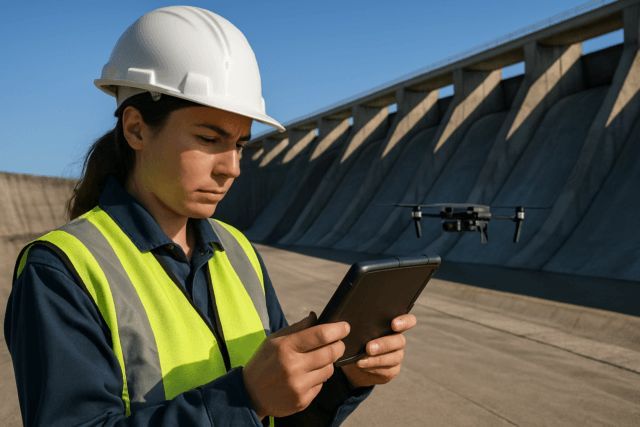
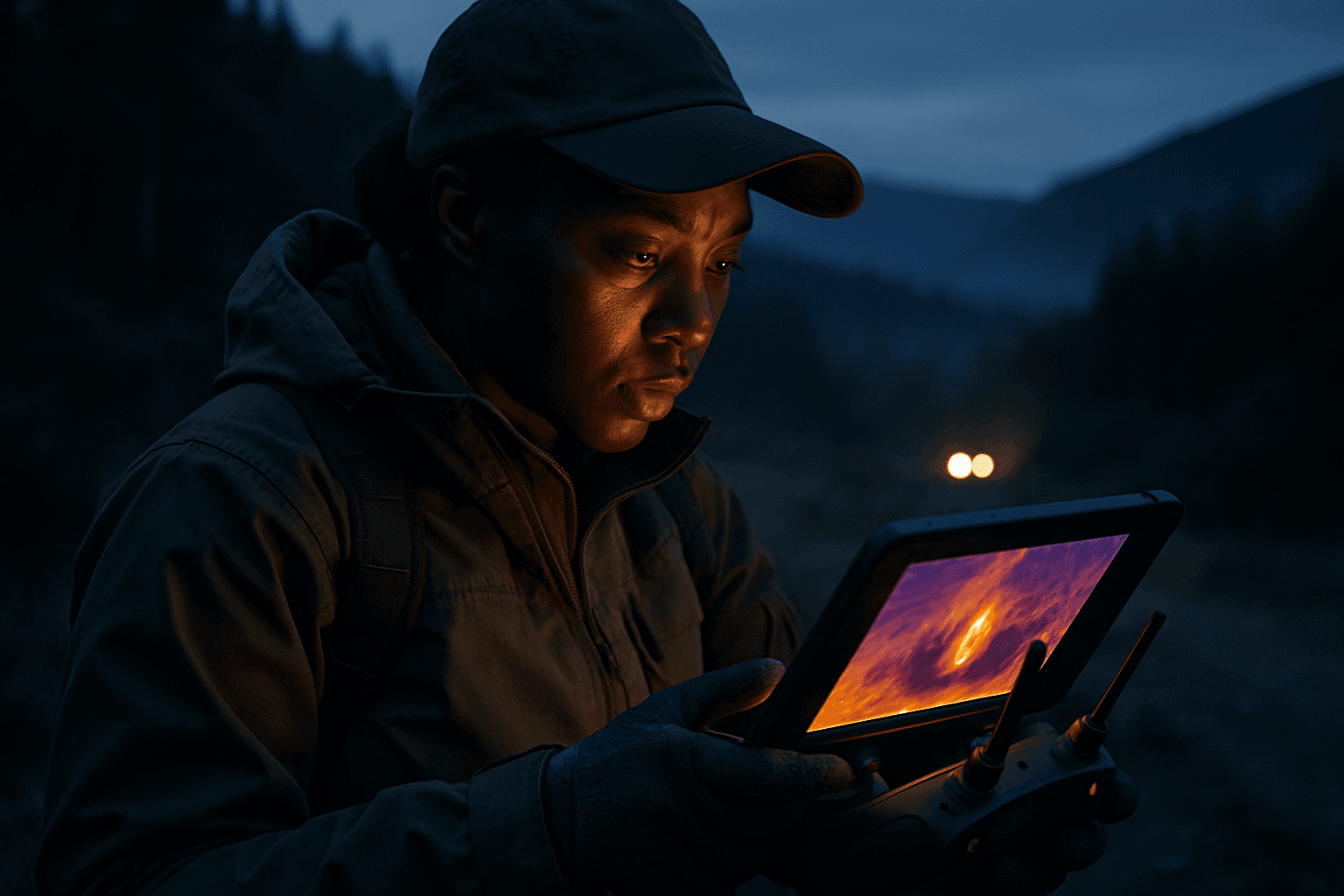
The frantic search for a lost pet, the urgent need to locate injured wildlife after a disaster, or even the subtle tracking of animals to aid in a human search and rescue (SAR) mission—these scenarios present significant challenges for traditional ground-based teams. However, advancements in aviation technology, specifically Unmanned Aerial Systems (UAS) equipped with thermal imaging, are transforming these critical operations, offering a powerful new lens through which to find the invisible. This innovative approach provides unparalleled speed, efficiency, and safety, making drones equipped with thermal cameras indispensable tools in modern animal-related SAR.
The Evolution of SAR: Integrating UAS Technology
Search and Rescue missions are inherently complex, often involving vast, challenging terrains, adverse weather conditions, and the pressing urgency of time. Traditional methods rely heavily on human ground teams, sometimes supported by manned aircraft, but these approaches face significant limitations.
Traditional SAR Challenges and Limitations
Conventional SAR operations can be slow, labor-intensive, and hazardous for responders. Visibility issues, such as dense foliage, darkness, or fog, severely hinder visual searches. Furthermore, covering expansive areas on foot or with limited aerial assets is time-consuming and can exhaust resources, reducing the chances of a timely discovery. Animals, particularly when frightened or injured, often seek refuge in hidden spots, making them incredibly difficult to spot with the naked eye.
The Rise of Drones in Emergency Response
In recent years, drones have emerged as a game-changer across various industries, especially in emergency response. Their ability to access hard-to-reach areas and capture real-time data makes them invaluable in SAR operations. The concept of using drones for SAR was proposed as early as 2001, and today, hundreds of SAR teams across the United States utilize them, marking their critical role in modern rescue efforts. Drones offer a bird’s-eye view, significantly expanding the search area and providing crucial information that is otherwise almost impossible to obtain.
Thermal Imaging: A Game-Changer for Animal Tracking
The true revolution for animal tracking within SAR comes with the integration of thermal imaging technology into drones. This capability allows operators to “see” what remains hidden to the human eye, day or night.
How Thermal Imaging Works
Thermal imaging drones convert infrared energy, or heat signatures, into digital images. Equipped with specialized infrared or thermal sensors, these cameras detect the heat emitted by living beings or objects. This heat data is then processed through complex algorithms and displayed as an image with color contrasts, highlighting temperature differentials. Warm bodies, like animals, appear as bright, glowing signatures against cooler surroundings, making them easily identifiable. Unlike traditional cameras that rely on visible light, thermal cameras do not require ambient light, allowing them to function effectively in total darkness.
Detecting Heat Signatures Through Obstacles
One of the most significant advantages of thermal imaging is its ability to penetrate certain visual obstructions. Thermal drones can detect heat signatures through dense underbrush, moderate tree cover, smoke, and fog. This means an animal doesn’t need to be visible; it just needs to be warmer than its environment. This capability is particularly crucial when animals camouflage themselves or hide in thick vegetation.
Key Applications in Animal-Related SAR Scenarios
Drone thermal imaging has diverse applications in SAR, ranging from individual pet rescues to broader ecological monitoring.
Locating Lost Pets and Livestock
The distress of a lost pet is a common and heartbreaking scenario for many owners. Thermal imaging drones have become a revolutionary tool in lost pet recovery efforts, especially in remote or challenging locations where traditional search methods fall short. These drones can scan vast areas quickly, detecting the heat signatures of missing dogs, cats, or even smaller animals like rabbits, through dense foliage or at night. Many companies and non-profit organizations now utilize this technology to reunite lost animals with their families, with some services operating 24/7 as long as weather permits. The high contrast between an animal’s body heat and a cooled nighttime landscape makes searches particularly effective after sunset.
Wildlife Monitoring for Ecological SAR
Beyond domestic animals, thermal drones are invaluable for wildlife monitoring and ecological SAR. They can be instrumental in locating injured or stranded wild animals, especially after natural disasters like wildfires or floods. Conservationists and wildlife managers use thermal drones to observe animals from a safe distance, minimizing disturbance and gathering crucial data on behavior, population numbers, and migration patterns. This includes efforts such as deer recovery, anti-poaching initiatives, and even tracking endangered species like pangolins. The non-invasive nature of drone monitoring helps in tracking without causing stress to animals.
Human Search Assisted by Animal Presence
In some human SAR missions, the presence of an animal, such as a missing person’s dog, can be a critical clue. Thermal drones can track these animals, indirectly aiding in the search for the missing person. By locating a loyal companion, responders can narrow down the potential search area for a human subject, enhancing the overall efficiency of the mission. Operators are trained to differentiate between human and animal heat signatures, adding another layer of intelligence to SAR operations.
Advantages of Drone Thermal Imaging for Animal Tracking
The integration of thermal imaging with UAS technology offers compelling advantages that significantly enhance SAR capabilities for animal tracking.
Enhanced Speed and Efficiency
Drones can cover extensive areas much faster than ground crews, rapidly assessing large search zones. A drone can scan areas in minutes that would take traditional teams hours or days, drastically reducing response times and increasing the likelihood of a successful rescue. The ability to pre-set autonomous flight routes further optimizes search efficiency.
Increased Safety for Responders
Deploying drones into dangerous or inaccessible areas, such as steep mountains, dense forests, or disaster zones, keeps human responders out of harm’s way. Drones can identify hazards like cliffs, wildlife, or fires before ground teams enter, providing critical situational awareness. This reduces the risk of injury to SAR personnel, allowing them to conduct rescues more safely.
All-Weather and Low-Light Capabilities
Thermal cameras do not depend on visible light, making them ideal for nighttime operations or in conditions of low visibility caused by fog, smoke, or heavy vegetation. Many animals are nocturnal, and a significant portion of SAR missions occur outside daylight hours; thermal drones ensure that search efforts can continue around the clock, improving the chances of a rapid location. Some drones are also designed with weather ratings to operate in challenging conditions like rain.
Minimizing Stress on Animals
Unlike ground teams or low-flying manned aircraft, drones can monitor animals from a safe distance, minimizing disturbance to their natural behavior. This non-invasive approach is crucial for both lost pets and wildlife, reducing the likelihood of spooking the animal and making it flee further into hiding.
Challenges and Considerations for Implementation
Despite the numerous benefits, the widespread implementation of drone thermal imaging in SAR for animal tracking faces several challenges and considerations.
Regulatory Landscape and Airspace Management
The use of UAS is governed by strict regulations, and operators must adhere to guidelines set by aviation authorities. Navigating airspace restrictions and obtaining necessary certifications for flying in complex environments, especially beyond visual line of sight (BVLOS), can be challenging.
Training and Skill Requirements for Operators
Effective thermal drone operation requires specialized training. Pilots need to be skilled not only in flying the drone but also in interpreting thermal data, differentiating between animal heat signatures and environmental heat sources, and understanding optimal search patterns. Misinterpreting thermal imagery can lead to false positives, such as identifying a sun-heated rock as an animal.
Equipment Costs and Maintenance
While increasingly affordable, high-quality thermal imaging drones represent a significant investment for SAR organizations. Beyond the initial purchase, there are ongoing costs associated with maintenance, software, and replacement parts. Battery life, though improving, remains a limiting factor, requiring efficient mission planning and potentially multiple battery swaps for extended searches.
Environmental Factors Affecting Thermal Performance
The effectiveness of thermal imaging can be influenced by environmental conditions. High ambient heat can reduce the thermal contrast between an animal and its surroundings, making detection more difficult. Dense canopy cover or thick vegetation can still obstruct thermal signatures, and fog can blur images. Optimal search conditions often occur at night or during early morning/late evening when the ground has cooled, maximizing the thermal contrast.
The Future of Drone Thermal Imaging in SAR
The field of drone technology for SAR is rapidly evolving, with ongoing advancements promising even more sophisticated capabilities for animal tracking.
AI Integration and Automated Detection
Artificial intelligence (AI) is set to revolutionize drone SAR even further. AI-powered drones are being developed to analyze vast amounts of thermal data in real-time, capable of differentiating between human and animal signatures and even predicting movement patterns. AI algorithms, such as YOLO (You-Only-Look-Once), are already used to detect people and animals in thermal videos, enhancing detection accuracy and reducing operator workload. This integration can streamline the search process, flagging objects of interest that might be missed by a human eye.
Advanced Sensor Technology
Future drones will likely incorporate even more advanced sensor suites, including higher-resolution thermal cameras, hyperspectral sensors, and improved zoom capabilities to confirm targets from greater distances. Night vision (NIR) lights and laser rangefinders are also being integrated to provide comprehensive situational awareness across various conditions.
Collaborative Drone Systems
The development of drone swarms capable of communicating and cooperating to cover larger areas more quickly is a promising frontier. These collaborative systems could significantly enhance the efficiency of large-scale disaster response and extensive wilderness searches, sharing data and adapting to dynamic conditions on the fly.
Conclusion
Drone thermal imaging has emerged as a transformative technology for tracking animal movements in Search and Rescue. By leveraging the ability to detect heat signatures in challenging conditions, these unmanned aerial systems offer an unprecedented advantage in locating lost pets, monitoring wildlife, and aiding human SAR efforts. While challenges such as regulatory hurdles, training requirements, and environmental factors exist, the ongoing advancements in AI and sensor technology promise to make thermal drones even more effective and indispensable in the future. As this technology continues to evolve, it will undoubtedly lead to faster, safer, and more successful outcomes, ensuring more heartwarming reunions and critical ecological insights.