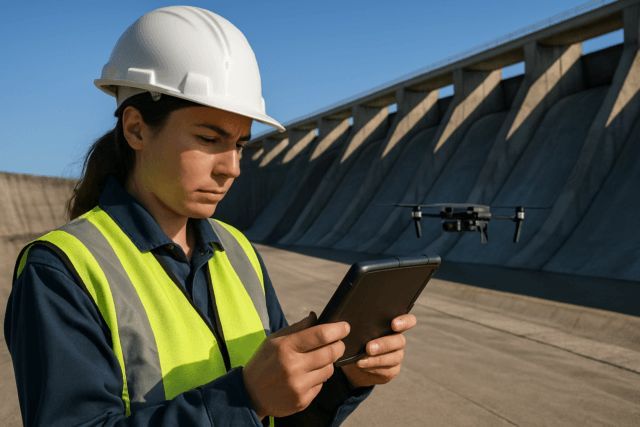
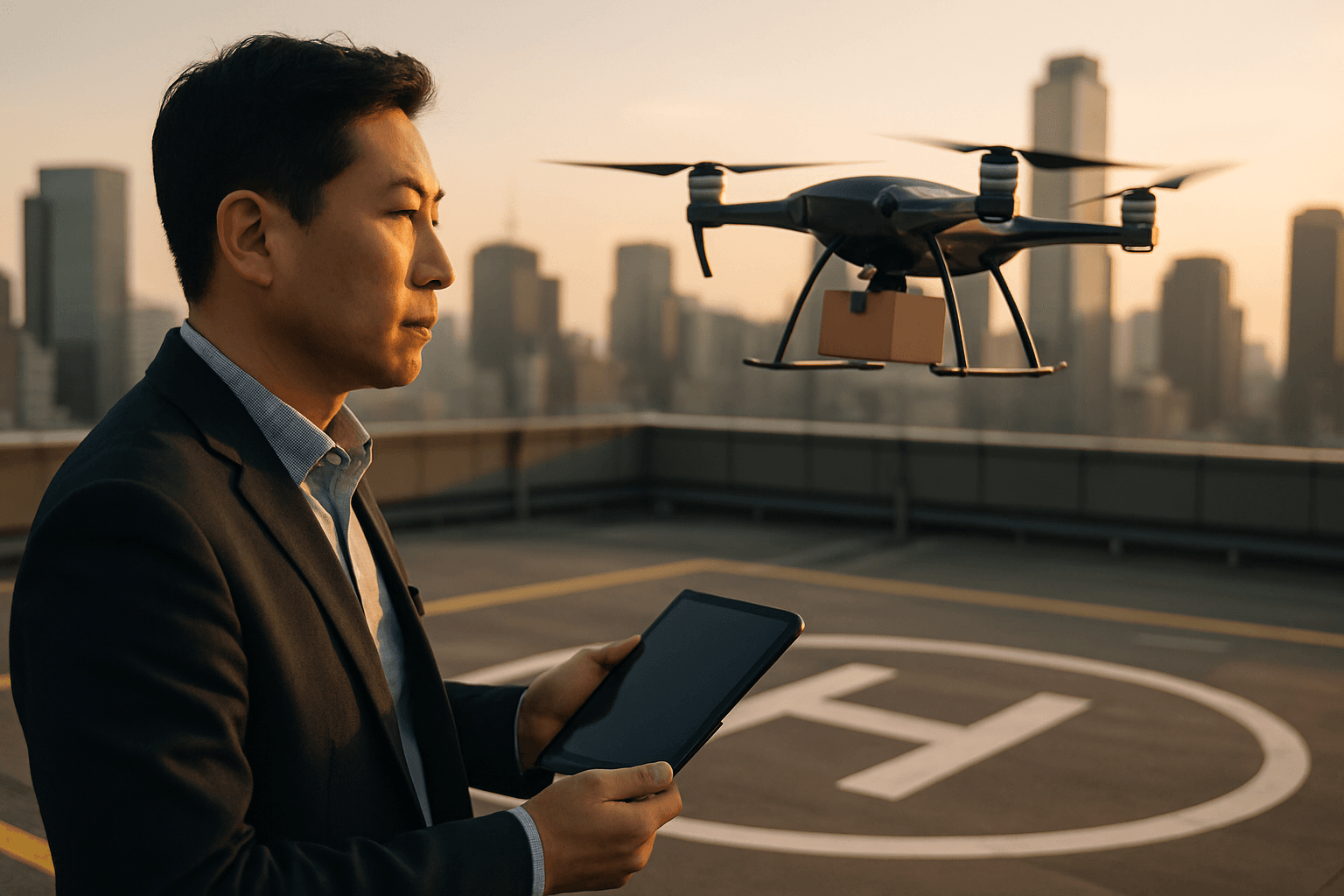
The skies above us are on the cusp of a silent revolution, one that promises to fundamentally reshape the economics of how goods move. Drone-based logistics, particularly drone delivery services, are emerging as a transformative force, offering unprecedented efficiencies, cost savings, and expanded reach across various industries. From urgent medical supplies to everyday e-commerce parcels, Unmanned Aerial Vehicles (UAVs) are redefining the traditional supply chain, presenting both immense opportunities and significant challenges for economies worldwide.
The Expanding Drone Delivery Market
The drone delivery service market is experiencing exponential growth, reflecting increasing investment and adoption. In 2024, the global drone delivery service market was valued at an estimated USD 1.51 billion. Projections indicate a surge to USD 18.26 billion by 2032, demonstrating a compound annual growth rate (CAGR) of 31.3% from 2025 to 2032. Other reports also project the global drone package delivery market to reach USD 4.666 billion by 2030, growing at a CAGR of 37.4% from 2025. North America has been a dominant force in this market, holding a 33.11% share in 2024, driven by substantial investments and supportive regulatory frameworks.
Major logistics players like DHL, FedEx, UPS, Amazon, and Walmart have already launched or are actively testing drone delivery operations, showcasing a clear trend toward integrating this technology into their core strategies. Investment in Artificial Intelligence (AI) technology is crucial for unlocking the full potential of drone delivery, enabling advanced operational capabilities and autonomous navigation. The market is also seeing significant private investments, further fueling its expansion.
Significant Cost Reductions and Efficiency Gains
One of the most compelling economic arguments for drone delivery lies in its potential for substantial cost reductions and efficiency improvements compared to traditional delivery methods.
Lower Operational Costs
Drones can drastically cut operational expenses. Gartner estimates that the operational costs of using electric, autonomous drones for package deliveries can be at least 70% lower than a van delivery service. These savings stem from reduced fuel, labor, and vehicle maintenance costs. While initial investments in drone technology can be higher, drone delivery proves to be effective, efficient, and cost-saving in the long run. Estimates for 2025 suggest that drone delivery can slash last-mile costs by 40-60%, reducing per-package costs to as low as $1-2 from the traditional $8-12 per package via trucks. Some analyses even suggest costs could drop to $0.25 per parcel with optimized autonomous flight.
Faster Deliveries and Route Optimization
Drones offer unparalleled speed, bypassing traffic congestion and taking the most direct routes from point A to point B. This capability enables 15-minute urban deliveries. Studies show that drone usage can achieve time savings of nearly 80% in parcel delivery. This rapid fulfillment is particularly appealing to consumers, with 51% of retail shoppers preferring same-day delivery. AI-driven algorithms play a crucial role in optimizing routes, improving fuel efficiency, and minimizing downtime, further enhancing cost-effectiveness.
Last-Mile Delivery Advantages
Last-mile delivery is often the most expensive and time-consuming segment of the supply chain. Drones are ideally suited to overcome these bottlenecks, especially for lightweight packages in urban and suburban areas. By taking over a portion of these deliveries, drones can reduce the number of trucks needed and contribute to net fuel savings.
Environmental Benefits and Sustainability
The shift to drone logistics offers significant environmental advantages, aligning with global sustainability goals.
Reduced Carbon Emissions
Drones, primarily powered by electricity, produce zero direct emissions, making them a greener alternative to fossil fuel-powered vehicles. A single drone can save up to 45 tons of CO2 emissions per year compared to combustion engine vehicles. Research indicates that drones can use up to 94% less energy per package than other vehicles for last-mile deliveries of small items. The overall reduction in emissions is greater in regions with cleaner electricity grids. Projections suggest drones could cut logistics carbon emissions by 70% in last-mile operations by 2026.
Expanding Reach and Accessibility
Drone delivery services can significantly expand the reach of logistics, particularly to areas traditionally underserved by conventional methods.
Serving Rural and Remote Areas
Drones can bridge accessibility gaps in rural and remote areas where traditional delivery is often costly, time-consuming, or impractical due to inadequate road infrastructure or challenging terrain. This capability can provide timely access to critical goods, including medical supplies, to remote populations. For instance, Zipline is renowned for its pioneering medical delivery services in remote areas.
Impact on Employment and Workforce
While automation often raises concerns about job displacement, the drone logistics sector is also creating new employment opportunities.
Job Creation
The growing drone industry necessitates new roles in operation, maintenance, and management. Emerging job titles include drone delivery pilots, flight operations managers, and drone logistics coordinators. These roles often require technical skills in drone technology, programming, AI, data analysis, and regulatory knowledge. A Deloitte study found that automation technologies, while eliminating some low-skilled jobs, created 3.5 million new jobs that paid an average of $13,000 more per year. The logistics sector is actively working to attract a tech-savvy workforce by integrating drone education into curricula.
Potential for Job Displacement
Some lower-skilled jobs in traditional delivery services, such as van drivers, may see a reduction as drone fleets take over a portion of last-mile deliveries. However, the overall impact is expected to involve a shift in the nature of work rather than wholesale replacement, with new, higher-skilled jobs emerging to manage and maintain drone operations.
Challenges and Considerations for Widespread Adoption
Despite the promising economic benefits, several challenges need to be addressed for the widespread adoption of drone-based logistics.
High Initial Investment
The upfront capital expenditure for drones, charging infrastructure, specialized training, and software integration remains substantial. This financial hurdle can particularly impact small to mid-sized businesses, potentially giving larger enterprises a competitive advantage.
Regulatory Hurdles and Airspace Management
Complex and often evolving regulatory frameworks are a significant barrier. Issues include strict drone flight regulations (e.g., flight height limits, beyond visual line of sight (BVLOS) operations), difficulty in obtaining flight permits, and the absence of unified global standards. However, regulatory approvals, such as the FAA granting Amazon authorization for long-distance drone deliveries, are slowly paving the way for broader operations.
Security, Privacy, and Public Perception
Concerns about security, including potential terrorist attacks or cybersecurity threats, are paramount. Privacy issues related to drones equipped with cameras and sensors in residential areas also pose a challenge, impacting public trust and acceptance.
Technical Limitations
Current technical limitations include battery life and payload capacity, which restrict the range and weight of packages drones can deliver. While advancements are continuous, improvements in these areas are necessary for broader application beyond lightweight, short-distance deliveries.
The Future Outlook of Drone Logistics
The future of drone logistics is characterized by continuous innovation and strategic integration.
Continued Innovation and Market Growth
The market is set for sustained growth, driven by technological advancements in AI, automation, longer battery life, and increased payload capacities. The value of goods delivered by drones is projected to grow significantly, reaching $65.177 billion by 2034.
Hybrid Models and AI Integration
Hybrid logistics models, combining traditional ground vehicles with drones, are expected to become dominant, leveraging the strengths of each. Drones can deliver lighter parcels while trucks handle heavier loads, optimizing efficiency. AI and 5G integration will enable smarter navigation, advanced route optimization, and coordinated fleet management.
Conclusion
The economic impact of drone-based logistics, especially in delivery services, is poised to be profound. By offering substantial cost savings, unparalleled speed, and significant environmental benefits, drones are not just a novel technology but a serious contender for revolutionizing how goods are transported. While challenges related to initial investment, regulation, and public acceptance remain, ongoing technological advancements and increasing industry investment suggest a future where drone delivery is an integral, efficient, and economically vital component of the global supply chain. The shift promises to unlock new markets, enhance customer satisfaction, and contribute to a more sustainable and accessible logistical landscape.