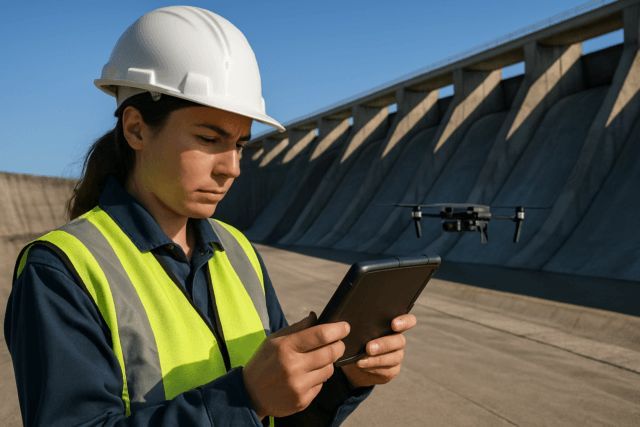

Imagine a city where every streetlight operates flawlessly, illuminating pathways and enhancing safety without the constant, risky, and time-consuming manual inspections that traditionally keep them in check. This vision is rapidly becoming a reality thanks to the transformative power of drone technology. Unmanned Aerial Vehicles (UAVs) are fundamentally reshaping how municipalities and utility companies monitor and maintain critical urban infrastructure, offering an unprecedented level of efficiency, safety, and data accuracy in assessing streetlight conditions.
The Evolution of Streetlight Inspection: From Ladders to UAVs
Historically, inspecting streetlights involved manual labor, often requiring personnel to ascend ladders or operate expensive lift equipment. This method was not only slow and costly but also exposed workers to significant safety hazards, including falls, electrical risks, and traffic accidents. The subjective nature of manual observations also led to inconsistent data collection, making proactive maintenance and long-term asset management challenging.
The advent of drone technology presents a modern solution to these enduring problems. Drones can navigate complex urban environments with agility, capturing high-resolution data from a safe distance without interrupting traffic or endangering personnel. This shift isn’t merely about replacing human effort; it’s about equipping asset managers with superior tools for the job, leading to better-informed decisions and more responsive maintenance strategies.
Key Benefits of Drone-Based Streetlight Inspection
The adoption of drones for streetlight inspection is driven by several compelling advantages over traditional methods:
Enhanced Safety for Inspection Teams
One of the most significant benefits is the drastic reduction in risk to human workers. Drones eliminate the need for inspectors to work at heights or in close proximity to live electrical components and busy roadways. This minimizes the potential for falls, electrocution, and vehicle-related accidents, creating a safer work environment.
Increased Efficiency and Speed
Drones can cover vast areas much faster than ground crews, inspecting numerous streetlights in a single flight. For example, some operations have reported inspecting 800 lights in just five days. This rapid data collection capability allows for more frequent inspections, enabling early detection of issues and quicker response times.
Cost-Effectiveness
While there’s an initial investment in drone technology, the long-term cost savings are substantial. Drones reduce expenses associated with specialized equipment like cranes and scaffolding, labor hours, and potential liabilities from worker injuries. Automated inspections also minimize operational downtime for infrastructure.
High-Quality and Actionable Data
Drones equipped with advanced sensors capture incredibly detailed and precise data. This objective, georeferenced information provides a crystal-clear digital record of an asset’s condition, moving beyond subjective logbook entries. This data is crucial for historical tracking, degradation analysis, and future upgrade reports.
Improved Accessibility and Reduced Disruption
Drones can easily access streetlights in challenging locations, such as those obstructed by trees, buildings, or difficult terrain, without causing disruptions like lane closures. This non-invasive approach ensures continuous urban flow and minimizes inconvenience to the public.
Environmental Advantages
By reducing the reliance on heavy vehicles and equipment, drones contribute to a smaller carbon footprint, generating less noise and air pollution. This aligns with global efforts towards sustainability and green infrastructure.
The Drone Streetlight Inspection Process
Implementing a drone-based streetlight inspection program involves several critical steps:
1. Planning the Mission
Thorough planning is essential for a successful drone inspection. This includes defining the scope of the inspection, identifying the exact locations of streetlights (often using GIS data or CSV files), and mapping out flight paths. Software like DJI Flight Hub 2 or My Maps can be used to import asset locations, plan routes, add annotations, and visualize progress in real-time. Safety considerations, such as maintaining a safe distance from the public (e.g., at least 30 meters), setting up safety barriers, and having a spotter for pedestrian management, are also crucial.
2. Selecting the Right Equipment
The choice of drone and payload is paramount to data quality.
Drones (UAVs)
Commercial drones designed for inspection are typically robust and stable. Rotary-wing drones, like the DJI Mavic 3 Enterprise or Matrice series, are often favored for detailed visual inspections due to their ability to hover and maneuver precisely in complex urban settings. Some models offer RTK (Real-Time Kinematic) compatibility for enhanced positioning precision. Hybrid drones, combining the endurance of fixed-wing with the precision of rotary-wing, are also gaining traction for large-scale smart city projects.
Payloads (Sensors and Cameras)
The “eyes” of the drone are its payloads. These specialized attachments capture the necessary data.
- High-Resolution RGB Cameras: Essential for visual checks, identifying physical damage, structural integrity issues, and verifying operational status.
- Thermal Imaging Cameras: Detect heat anomalies, which can indicate electrical faults, overheating components, or malfunctioning bulbs, even in low-light conditions.
- LiDAR Units (Light Detection and Ranging): Create precise 3D models of structures and environments, useful for detailed mapping, assessing pole lean, or checking for vegetation encroachment.
- Multispectral Sensors: Can be used for specialized applications, such as assessing material degradation.
3. Data Capture Process
During flight, pilots can follow pre-programmed automated routes for consistent coverage or manually control the drone to investigate specific anomalies. Battery management is key for all-day operations, often involving multiple battery swaps or portable charging solutions. Live streaming capabilities allow clients or project managers to monitor the inspection in real-time and provide immediate feedback.
4. Data Processing and Analysis
Once the drone lands, the raw data (images, videos, sensor readings) is offloaded. Specialized software then stitches these individual pieces together to create high-resolution maps (orthomosaics) or detailed 3D models. Advanced analytics, including Artificial Intelligence (AI) and machine learning, are increasingly used to automate fault detection. These AI models can identify defects like cracks, corrosion, missing components, or pole damage with high precision, dramatically reducing manual review time. This process transforms raw data into actionable insights for maintenance planning.
5. Reporting and Documentation
Comprehensive inspection reports are generated, including visual and thermal imagery, detailed defect identification, and recommendations for corrective actions. This data can be integrated with existing asset management systems, enabling continuous monitoring, trend tracking, and efficient scheduling of repairs. Digital twins, which are detailed 3D models, can also be created for long-term asset management.
Challenges and Considerations
Despite the numerous advantages, drone streetlight inspection is not without its challenges:
Environmental and Weather Constraints
Drones are susceptible to adverse weather conditions such as strong winds, heavy precipitation, fog, and low visibility, which can impact flight stability, battery life, sensor performance, and data quality. Most commercial drones are not waterproof, making them vulnerable to rain or snow.
Battery Life and Flight Endurance
Limited battery life remains a primary technical hurdle, restricting operational time and range. While industrial drones can fly for up to two hours, many professional models offer 20-50 minutes per charge, necessitating frequent battery swaps.
Regulatory Landscape
Operating drones in urban public spaces requires adherence to specific regulations regarding airspace, privacy, and flight beyond visual line of sight (BVLOS). Clear and well-defined regulatory frameworks are essential for safe integration into cities.
Data Interpretation and Artificial Intelligence Maturity
While AI is advancing rapidly in defect detection, current drone technology may still struggle to identify minute or complex defects that an experienced human inspector could discern through close physical examination. The ability of robots to adapt to real-world situations and make on-the-spot judgments is still developing.
The Future of Smart Streetlight Management
The global market for autonomous streetlight inspection drones is experiencing robust growth, projected to reach USD 6.23 billion by 2033. This expansion is driven by rapid urban infrastructure upgrades, the increasing adoption of smart city technologies, and the rising demand for efficient, cost-effective, and safe inspection solutions.
As technology evolves, we can expect further advancements in AI and machine learning integration for even more precise fault detection and predictive maintenance. The convergence of drone technology with smart street lighting is revolutionizing urban mobility and public safety, transforming lampposts into dynamic nodes in the urban Internet of Things. With drones capable of deploying from integrated landing platforms and recharging seamlessly via on-pole charging units, the future of streetlight inspection promises even greater autonomy and efficiency, redefining cityscapes and driving sustainable development.