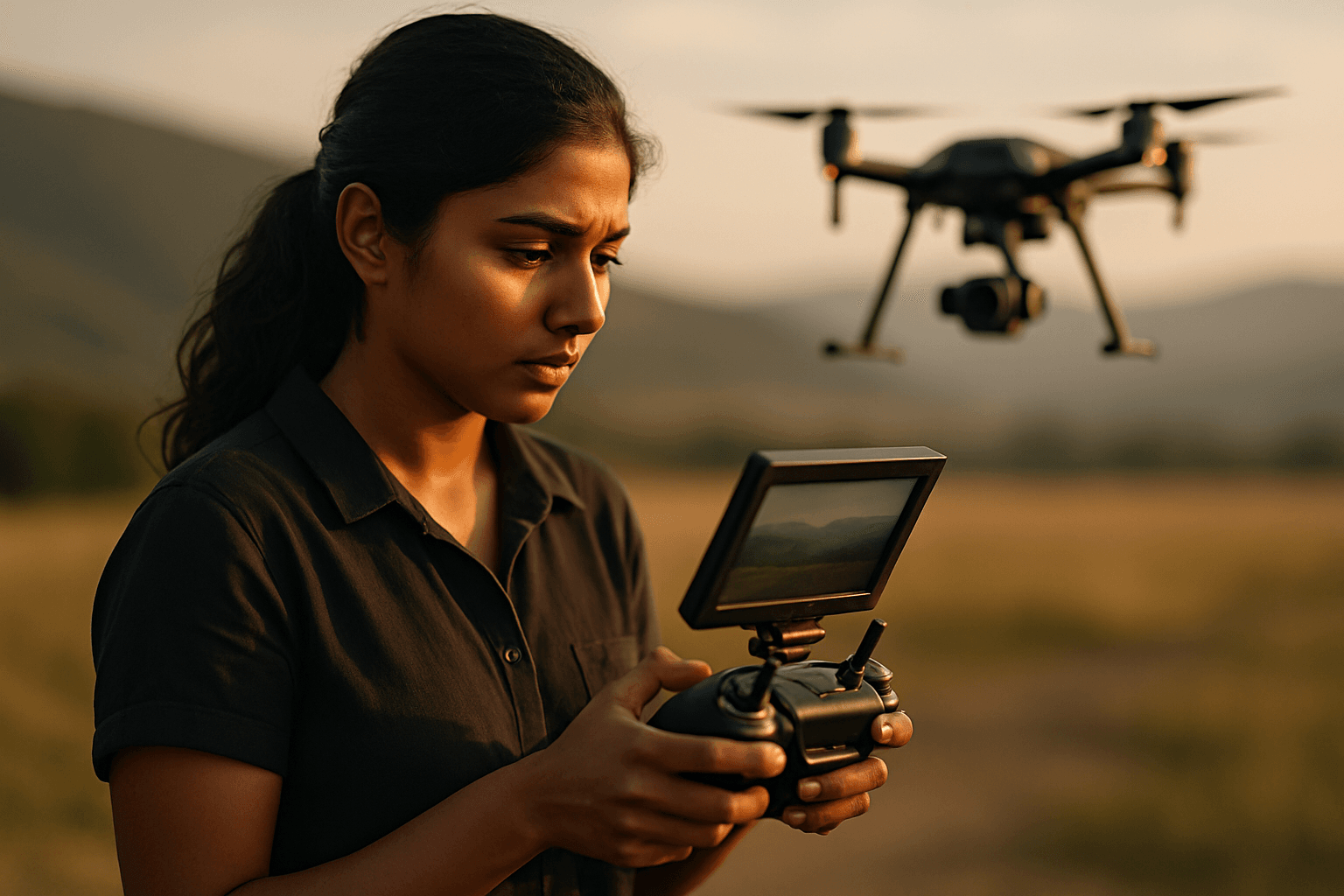
Drones have revolutionized visual storytelling, offering breathtaking aerial perspectives that can add depth, scale, and an immersive quality to narratives previously unattainable with traditional ground-based cameras. Beyond simply capturing stunning visuals, the true power of drone videography lies in its ability to weave compelling stories that resonate with viewers and evoke emotion. This guide explores how to transform raw aerial footage into captivating cinematic experiences.
The Power of Aerial Narratives
Drones provide a unique vantage point that can transform ordinary scenes into purposeful storytelling tools. A bird’s-eye view can amplify tension, highlight a character’s journey, or evoke a sense of freedom, engaging audiences in profound ways. By leveraging height, angle, and framing, drone videography can emphasize specific details, reveal the grandeur of landscapes, or draw attention to the interplay between subjects and their environment. The seamless transition between wide, expansive views and intimate close-ups further underscores their versatility in crafting a dynamic visual flow.
Understanding Your Story: Pre-Production Essentials
Compelling drone storytelling begins long before takeoff. Meticulous pre-production planning is the backbone of successful aerial cinematography, ensuring that every shot serves the narrative.
Defining Your Narrative Arc and Shot List
Start by clearly defining the story you want to convey. What emotional response do you aim to elicit? How does each drone movement contribute to the overall narrative? Storyboarding is crucial for visualizing the sequence of shots and how they align with your story’s progression. Create a detailed shot list, planning everything from wide establishing sweeps to dynamic reveal shots.
Location Scouting and Lighting
Thorough location scouting is essential. Assess the area for potential hazards, interesting features, and suitable flight paths. Consider how natural light will interact with your shots throughout the day; the “golden hour” (shortly after sunrise or before sunset) offers soft, warm light that can dramatically enhance the mood and add richness to your visuals. Check for wind patterns and restricted airspace.
Legal, Safety, and Ethical Considerations
Operating drones responsibly is paramount.
- Regulations: Understand and adhere to local drone regulations, including maximum altitude limits (often 120m/400ft in many regions), no-fly zones, and line-of-sight requirements. For commercial purposes, pilots often need specific certifications like the FAA Part 107 license in the US.
- Safety First: Prioritize safety above all else. Avoid flying over crowds or in adverse weather conditions, and maintain a safe distance from people, obstacles, and other aircraft. Conduct pre-flight checks to ensure your drone is in proper working condition.
- Privacy & Transparency: Respect privacy by avoiding capturing private property or individuals without explicit permission. If filming in public spaces, be transparent and inform communities. Ethical drone use ensures that creativity thrives without infringing on individuals’ rights or safety.
Mastering the Skies: Drone Piloting and Cinematography Techniques
Once your story is planned and safety assured, focus on the cinematic execution of your drone flights.
Cinematic Camera Settings
Optimizing camera settings is crucial for a professional, filmic look.
- Frame Rate: Shoot at 24fps or 30fps for a traditional cinematic feel. For smooth slow-motion effects, use 60fps or higher.
- Shutter Speed (180-Degree Rule): To achieve natural motion blur, set your shutter speed to approximately double your frame rate (e.g., 1/50th for 24fps).
- ISO: Keep ISO as low as possible (typically 100 or 200) to minimize digital noise, especially in bright conditions.
- Aperture: Control depth of field and exposure.
Smooth Camera Movements for Emotional Impact
Slow and deliberate movements are fundamental to cinematic drone footage. Avoid abrupt, jerky control inputs. Think of the drone as a heavy camera crane, using gentle stick movements.
Key drone shots and their emotional impact include:
- Establishing Shots / Bird’s-Eye View: Flying straight down from above to show the enormity or beauty of a landscape, providing scale and setting the scene. Flying forwards while tilting the gimbal up can create a feeling of entering a new scene.
- Tracking Shots: Following a subject from above, behind, or alongside, creating smooth, dynamic movement that immerses viewers in their journey.
- Reveal Shots: Starting close to an object or scene (or obscured by foreground) and then moving out or up to dramatically unveil a wider view, building anticipation and a sense of discovery.
- Orbit Shot (360° Focus): Circling around a subject while keeping it centered, creating a dramatic reveal, showcasing it within its environment, and highlighting its importance. This can add depth with a parallax effect.
- Push In/Pull Out (Dronie): Flying towards a subject builds tension, drawing the viewer into the story, while pulling back releases tension and provides a sense of closure or reveals the surrounding environment.
- Pedestal Shot: Flying straight up or down to showcase height or reveal objects.
- Lateral Tracking: Filming a subject from the side, moving at the same pace, which can create dynamic shots, especially if objects pass in the foreground.
Compositional Guidelines
Apply traditional cinematography principles to drone shots:
- Rule of Thirds: Position subjects along the gridlines or intersections for balanced and engaging compositions.
- Leading Lines: Utilize natural or man-made lines (roads, rivers, buildings) to guide the viewer’s eye through the frame and add depth.
- Symmetry and Patterns: Drones excel at capturing striking symmetrical compositions and mesmerizing patterns from an overhead perspective.
- Framing: Use natural frames like archways or branches to add depth and context.
Leveraging Intelligent Flight Modes
Many drones offer intelligent flight modes that can assist in achieving complex shots:
- Cinematic Mode (Cine Mode/Tripod Mode): Slows down drone movements and reduces stick sensitivity for ultra-smooth video.
- ActiveTrack/Follow Me: Locks onto a subject and tracks its movement, keeping it centered in the frame.
- Point of Interest (POI): Allows the drone to automatically orbit a subject at a set radius and altitude.
- Waypoints: Pre-program a flight path for smooth, repeatable movements.
Bringing It All Together: Post-Production for Impact
The magic of cinematic drone footage often comes to life in post-production, where raw clips are transformed into cohesive and captivating visual narratives.
Editing for Flow and Pacing
- Seamless Integration: Integrate drone shots seamlessly with other footage, creating dynamic transitions. Consider techniques like cross dissolves, speed ramps, or whip pans.
- Trimming & Cutting: Trim clips strategically. Cut on action for seamless transitions and keep videos concise to maintain attention.
- Story Flow: Plan the sequence of shots to guide the audience through the narrative without interruptions, ensuring a natural and intentional flow.
Color Grading and Visual Enhancement
Color grading is one of the most impactful steps, adjusting tones, contrast, and color to enhance the mood, depth, and storytelling impact. D-Log M footage offers greater flexibility for this. Stabilization tools in editing software can further smooth out any minor jitters. Avoid over-editing; “less is more” to let the footage breathe and enhance, not overshadow, your story.
Sound Design and Music
Sound design and music are critical for evoking emotion and setting the tone. Choose music that matches the video’s pace and emotion, and ensure ambient sounds complement without overshadowing the music. However, if the drone footage is for journalistic purposes, carefully consider how music or slow-motion effects might affect editorial integrity.
Conclusion: Elevating Your Narrative from Above
Drones are powerful tools that, when used thoughtfully and ethically, can profoundly elevate storytelling in videography. By meticulously planning your shots, mastering cinematic flight techniques, and applying purposeful post-production, you can create compelling aerial narratives that transport viewers and leave a lasting impression. Continuous learning and practice, alongside seeking feedback from experienced operators, will help refine your techniques and expand the possibilities of your drone storytelling.