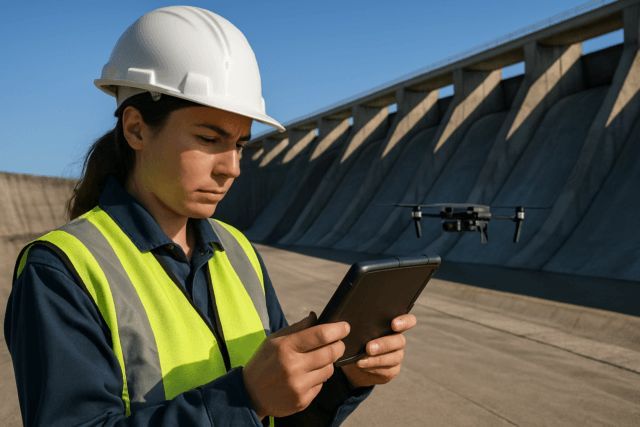
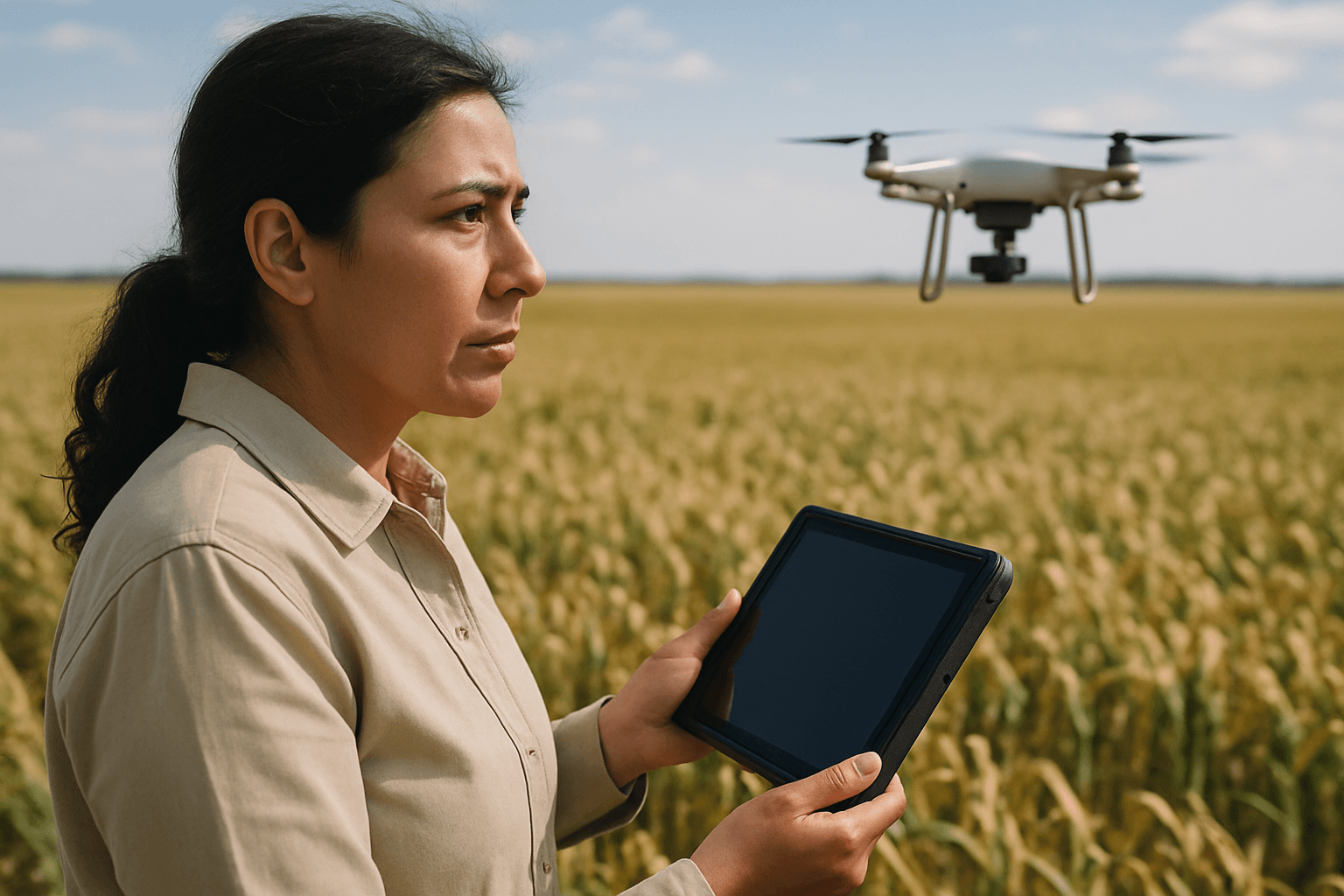
The agricultural landscape is undergoing a profound transformation, driven by the integration of advanced technologies like autonomous drones. These Unmanned Aerial Vehicles (UAVs), equipped with sophisticated sensors, AI analytics, and IoT capabilities, promise unprecedented precision, efficiency, and sustainability in farming practices. From crop monitoring and pest control to soil analysis and livestock management, drones offer real-time insights that enable data-driven decision-making, potentially revolutionizing food production for a growing global population. However, as these intelligent machines become more integrated into our fields, a complex web of ethical considerations emerges, demanding careful navigation to ensure their responsible and equitable deployment.
Data Privacy and Cybersecurity Concerns in Precision Agriculture
One of the most significant ethical challenges presented by autonomous agricultural drones revolves around data privacy and security. These drones collect vast amounts of highly detailed information, including sensitive farm data such as crop yields, soil conditions, livestock movements, and proprietary farming techniques.
Sensitive Data Exposure and Personal Privacy
The collection of such granular data raises immediate concerns about sensitive farm data exposure, as this information is valuable to competitors or malicious entities. Drones equipped with cameras can also inadvertently or deliberately capture images of private property, leading to concerns about the invasion of personal privacy for farmers and nearby residents. This “human bycatch” of data collection necessitates careful consideration of consent and surveillance.
Data Ownership Ambiguities
The legal and ethical landscape around data ownership in precision agriculture is complex. Multiple stakeholders, including farmers, agricultural technology providers (ATPs), and equipment manufacturers, are involved, creating ambiguities about who controls and owns the generated data and how it can be used. Transparent data policies and ensuring farmer control over their data are crucial.
Cybersecurity Risks
Autonomous drones and their integrated systems are susceptible to various cybersecurity threats. These include hacking and unauthorized access to drone systems or farm management platforms, potentially leading to data theft, malicious commands, or even drone hijacking. False data injection could lead to inaccurate assessments and suboptimal resource allocation, while denial-of-service (DoS) attacks or GPS spoofing could disrupt operations, causing significant crop damage and financial losses. Protecting against these cyberthreats is paramount for safeguarding food production systems.
Socio-Economic Impacts and Labor Displacement
The promise of increased efficiency through automation also brings ethical questions regarding the socio-economic impact on rural communities and agricultural labor.
Job Losses and Rural Exodus
Autonomous machinery, capable of performing tasks like planting, harvesting, weeding, and pest management, has the potential to displace human farm workers. This is particularly concerning in regions heavily reliant on manual farm labor, potentially leading to widespread job losses, a rural exodus, and increased strain on urban infrastructure and social services.
Erosion of Traditional Farming Knowledge
As technology assumes more responsibilities, there is a risk that traditional farming skills and knowledge, accumulated over generations, could erode. This loss of local agricultural expertise could weaken the resilience of food systems and reduce the capacity to adapt to unique local environmental conditions.
Worker Surveillance and Changing Work Conditions
While autonomous systems can improve worker safety by reducing exposure to harmful chemicals and dangerous conditions, the use of drones to monitor farm work can also lead to feelings of surveillance among employees, raising concerns about working conditions and privacy.
Environmental Stewardship and Ecological Integrity
Autonomous drones offer significant potential for environmental benefits through precision agriculture, but their widespread adoption also necessitates a careful examination of their ecological footprint.
Resource Optimization vs. Unintended Consequences
Drones facilitate precision application of fertilizers and pesticides, which can drastically reduce chemical usage and minimize environmental harm, protecting soil health and biodiversity. They can also optimize irrigation and reduce soil compaction by lessening the need for heavy machinery. However, ethical concerns also include the environmental impact of drone production and disposal, their operational energy consumption, and the potential for these technologies to reinforce monoculture systems, which can reduce biodiversity and increase vulnerability to pests and diseases.
Accountability and Liability in Autonomous Systems
The autonomous nature of these drones complicates the traditional understanding of accountability and liability, especially when unforeseen incidents or system failures occur.
Assigning Responsibility for Failures
When an autonomous farming system causes damage—such as significant soil degradation due to miscalibration or an operational accident—determining who is responsible becomes a critical ethical and legal challenge. Is it the manufacturer, the software developer, the farmer, or the drone operator? Clear mechanisms and frameworks are needed to establish accountability for unintended outcomes.
Public Safety Concerns
As autonomous agricultural machines evolve, there’s a conceivable future where they operate outside bounded farm areas, potentially interacting with the non-farming public or even on public roads. Ensuring public safety and establishing robust safety protocols for these interactions are paramount to prevent incidents that could cause public outrage and harm the industry’s reputation.
Equity, Access, and the Digital Divide
The integration of advanced agricultural technology also raises questions about fairness and accessibility within the farming community.
Exacerbating Disparities
The high initial investment costs associated with acquiring and implementing autonomous drone technology can disproportionately benefit large-scale agricultural operations. This creates a barrier to entry for small and limited-resource farmers, potentially exacerbating existing disparities, marginalizing smaller farms, and leading to a consolidation of agricultural ownership.
Bridging the Digital Divide
Efforts to democratize AI tools and make accessible AI platforms available could empower smallholder farmers with data-driven insights, helping to reduce risk, improve yields, and connect farmers directly to markets. However, without proactive measures, the digital divide in agriculture could widen.
Regulatory Frameworks and Public Acceptance
The rapid technological advancement of autonomous drones often outpaces the development of comprehensive regulatory and ethical frameworks.
Evolving Regulations
Governments worldwide are grappling with establishing clear guidelines for drone operations, including airspace regulations, data protection laws, and operational compliance. The regulatory environment varies significantly by country, with ongoing challenges in adapting existing laws to address the unique complexities of autonomous systems. Harmonized policies and continuous dialogue between authorities and the agricultural sector are essential.
Fostering Public Trust
Public acceptance is crucial for the successful adoption of autonomous agricultural technologies. Addressing societal concerns about job displacement, food safety, and the perceived “alienation” of farming through transparent communication and public engagement is vital for building trust and ensuring responsible innovation.
Conclusion
Autonomous drones in agriculture present a dual landscape of immense opportunity and significant ethical challenges. While they offer unparalleled potential to enhance food security, optimize resource use, and improve efficiency, their deployment necessitates a robust ethical framework. Addressing concerns related to data privacy and security, socio-economic impacts like job displacement, environmental stewardship, accountability for autonomous actions, equity of access, and comprehensive regulatory oversight will be critical. By prioritizing ethical design, transparent practices, inclusive policies, and continuous dialogue among all stakeholders, humanity can harness the transformative power of autonomous drones to cultivate a more sustainable, equitable, and resilient agricultural future.