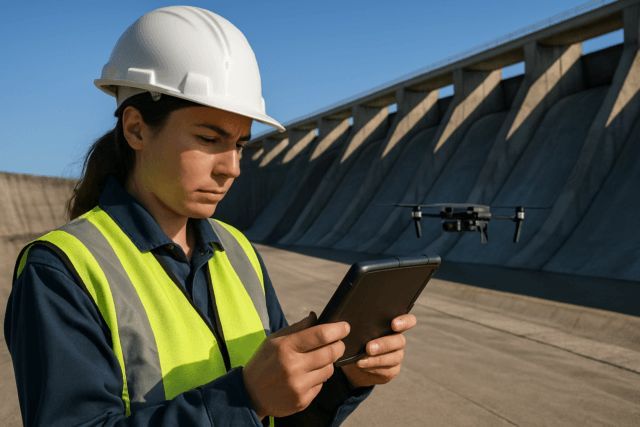
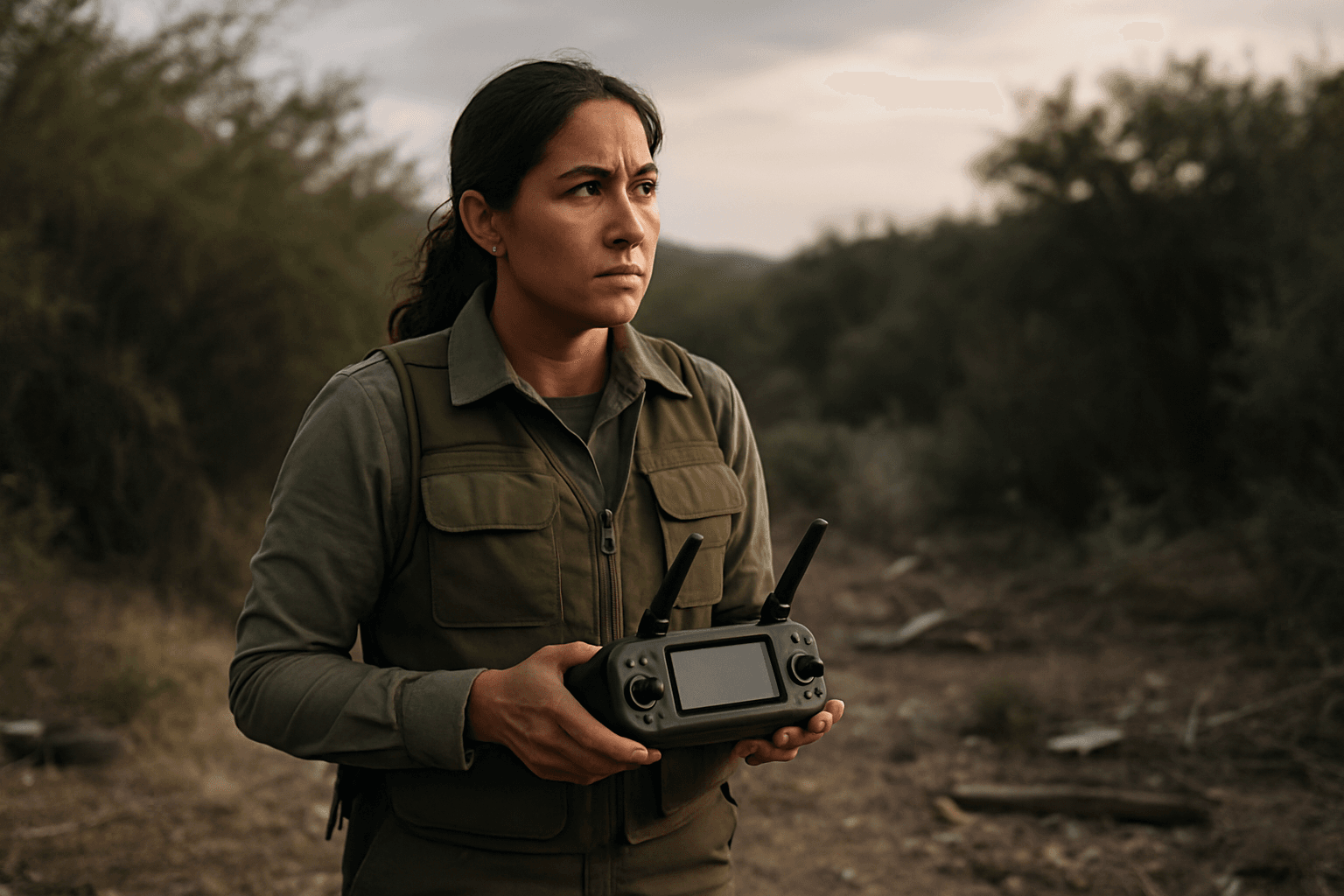
Drones have revolutionized search and rescue (SAR) operations, offering an unparalleled aerial perspective that can rapidly cover vast or inaccessible terrain. Equipped with an array of advanced sensors, these unmanned aerial systems (UAS) promise to shorten detection times and enhance rescuer safety. However, the sophisticated technology underpinning these drones is not without its inherent limitations, especially when it comes to accurately identifying specific types of evidence crucial for locating missing persons. Understanding these constraints is paramount for SAR teams to leverage drone capabilities effectively while acknowledging their current boundaries.
Understanding Key Drone Sensor Types in SAR
Modern SAR drones typically deploy several types of sensors, each with distinct advantages and disadvantages in evidence identification:
Visual (RGB) Cameras
These are standard optical cameras that capture images and video in the visible light spectrum, much like a traditional camera. They provide high-resolution imagery, crucial for visual confirmation and detailed mapping of an area.
Thermal Infrared (TIR) Cameras
Thermal sensors detect infrared radiation (heat signatures) emitted by objects, allowing operators to “see” in darkness, smoke, or light foliage. This is particularly valuable for locating warm bodies against cooler backgrounds.
LiDAR (Light Detection and Ranging)
LiDAR systems use laser pulses to measure distances, creating detailed 3D models of terrain and objects. This can be effective for mapping complex environments and penetrating light to moderate vegetation to reveal ground features.
Intrinsic Limitations of Drone Sensors
Despite their advanced capabilities, each sensor type faces specific challenges in evidence identification, often leading to false positives, missed detections, or ambiguous data.
Challenges for Visual (RGB) Sensors
Visual cameras are highly dependent on ambient light and clear atmospheric conditions. Their primary limitations include:
- Low Light and Darkness: In conditions with insufficient natural light or at night, standard RGB cameras struggle to capture usable images, rendering them ineffective without additional illumination.
- Environmental Obscuration: Fog, mist, heavy rain, or snow can severely reduce visibility, making it difficult for optical sensors to detect objects or maintain visual line of sight. Glare from water or reflective surfaces can also impair image quality.
- Camouflage and Contrast: Small or camouflaged evidence, such as discarded clothing blending with terrain, can be exceptionally difficult for visual sensors to distinguish from the background, especially from higher altitudes. The limited dynamic range of some sensors can also lead to saturation in bright skies or insufficient contrast in shadowed areas.
- Dense Vegetation: Trees and thick foliage can completely obscure evidence from a drone’s visual perspective, making detection nearly impossible.
- Motion Blur: Fast-moving drones or rapid camera movements can introduce motion blur, degrading image quality and making the identification of small, subtle evidence challenging.
Thermal Infrared (TIR) Sensor Drawbacks
While excellent for detecting heat, thermal sensors have their own set of constraints:
- Temperature Contrast Dependency: Thermal cameras rely on a temperature difference between the target and its surroundings. In warm environments, such as during hot summer days or on sun-heated terrain, the contrast between a human body and the background can diminish, making detection difficult.
- Environmental Interference: Rain can cool surfaces unevenly, and high humidity can attenuate infrared radiation, impacting the accuracy and effectiveness of thermal sensors. Falling snow and rain also act as strong absorbers of TIR light, obscuring targets.
- Obscuration by Materials: Certain materials, like thick fabric, dense foliage, or even a simple pane of glass, can block or significantly reduce a human’s thermal signature, rendering them “invisible” to thermal cameras.
- False Positives: Other heat sources, such as animals, sun-warmed rocks, machinery, or even residual heat from recent activity, can generate thermal signatures that appear similar to a human, leading to false positives and diverting search efforts. Distinguishing between human and animal heat signatures can be particularly challenging without additional context or higher resolution.
- Lower Resolution: TIR images typically have fewer pixels than RGB images, which can result in reduced detail for identifying specific evidence once a heat source is detected.
- Limited Training Data: Machine learning algorithms designed to automatically detect humans from thermal drone data require extensive training data specific to SAR scenarios, which is currently limited. This scarcity impacts the accuracy of automated detection systems.
Limitations of LiDAR Sensors
LiDAR offers detailed topographic data but also has specific limitations in evidence identification:
- Vegetation Penetration: While LiDAR can penetrate moderate vegetation by finding gaps in the canopy, extremely dense foliage can still obstruct laser pulses from reaching the ground, limiting its ability to detect evidence beneath. It cannot “see through” vegetation, but rather exploits gaps.
- Environmental Factors: Dust, high humidity, and extreme temperatures can interfere with the light pulses emitted by LiDAR, affecting the accuracy of the gathered data.
- Data Interpretation Complexity: LiDAR primarily generates point clouds, which are detailed 3D representations. However, this data is typically not colorized, making it difficult to interpret without overlaying RGB photos to provide contextual detail. Processing and interpreting this complex data often requires specialized software and expertise.
- Cost and Accuracy Calibration: High-quality LiDAR systems can be a significant investment. Their accuracy is highly dependent on the precise calibration of the scanner, Inertial Measurement Unit (IMU), and Global Navigation Satellite System (GNSS) components. Movement during flight can also reduce accuracy compared to terrestrial LiDAR.
- Inability to Detect Color/Material Properties: LiDAR primarily measures distance and reflectivity. It cannot detect the color of an object directly, although reflectivity can offer clues about material properties.
Environmental and Operational Constraints Affecting Sensor Performance
Beyond the inherent limitations of the sensors themselves, external factors significantly impact their effectiveness in SAR operations.
Adverse Weather Conditions
Weather is a primary adversary for drone operations and sensor performance:
- Wind: Strong winds can destabilize drones, affecting flight stability, navigation accuracy, and the quality of sensor data. They also drastically reduce battery life and flight duration as the drone expends more energy to counteract resistance.
- Precipitation (Rain, Snow): In addition to affecting visual and thermal sensors, precipitation poses a direct threat to sensitive electronic components if drones are not waterproof. Ice accumulation on propellers can impair aerodynamic performance and lead to crashes.
- Temperature Extremes: Both extremely hot and cold temperatures can degrade battery performance, shorten lifespan, and affect the efficiency and stability of electronic components.
- Atmospheric Conditions: Changes in atmospheric pressure and density due to temperature fluctuations or high humidity can influence a drone’s lift and motor performance, and affect sensor calibration.
Terrain and Landscape Complexity
The physical environment itself presents considerable challenges:
- Dense Forests and Undergrowth: As mentioned, dense vegetation is a major impediment for visual and LiDAR sensors, making it difficult to locate evidence on the ground.
- Rugged or Uneven Terrain: While drones can access difficult terrain, maintaining consistent altitude for optimal data capture can be challenging, and sensors may struggle with rapid changes in elevation or obscured areas behind natural features.
Operational Limitations of Drones
Even with the best sensors, practical operational aspects can limit effectiveness:
- Battery Life and Flight Time: Most multi-rotor drones have limited battery life, typically around 30 minutes, which restricts search area coverage and duration. While fixed-wing drones can fly longer, their maneuverability and ability to hover for detailed inspection are limited.
- Regulatory Restrictions: Regulations, such as maximum flight altitude (often 400 feet above ground level) and visual line-of-sight requirements, can restrict the area a drone can cover and the perspective it can gain. Operating at night or over people usually requires special waivers.
- Data Processing Overload: Multi-sensor drones generate vast amounts of data, which can be overwhelming for operators to process in real-time, leading to cognitive overload. Analyzing this data efficiently requires significant computational resources and skilled personnel.
- Limited Bandwidth and Connectivity: In remote or disaster-stricken areas, poor or absent communication infrastructure can hinder real-time data transmission from the drone to command centers, delaying critical decision-making.
- Human Factors and Training: The effectiveness of drone deployment heavily relies on the skill and situational awareness of the human operator. Inexperience, stress, and a lack of comprehensive training in interpreting multi-sensor data under pressure can lead to missed evidence or inefficient operations.
Moving Forward: Mitigating Limitations
Addressing these limitations requires a multi-faceted approach. Advancements in sensor fusion, where data from multiple sensor types are combined and analyzed simultaneously, offer a promising path to overcome individual sensor weaknesses. Artificial intelligence and machine learning algorithms are continually improving to help process vast datasets, reduce false positives, and identify subtle clues. However, these systems require extensive, realistic training data. Furthermore, the development of more rugged, weather-resistant drones with extended battery life and enhanced autonomy will broaden their operational envelopes, allowing them to perform more reliably in challenging SAR environments.
While drone sensors offer incredible potential for search and rescue, recognizing their current limitations is key to setting realistic expectations and developing more robust and effective strategies for locating those in need.