
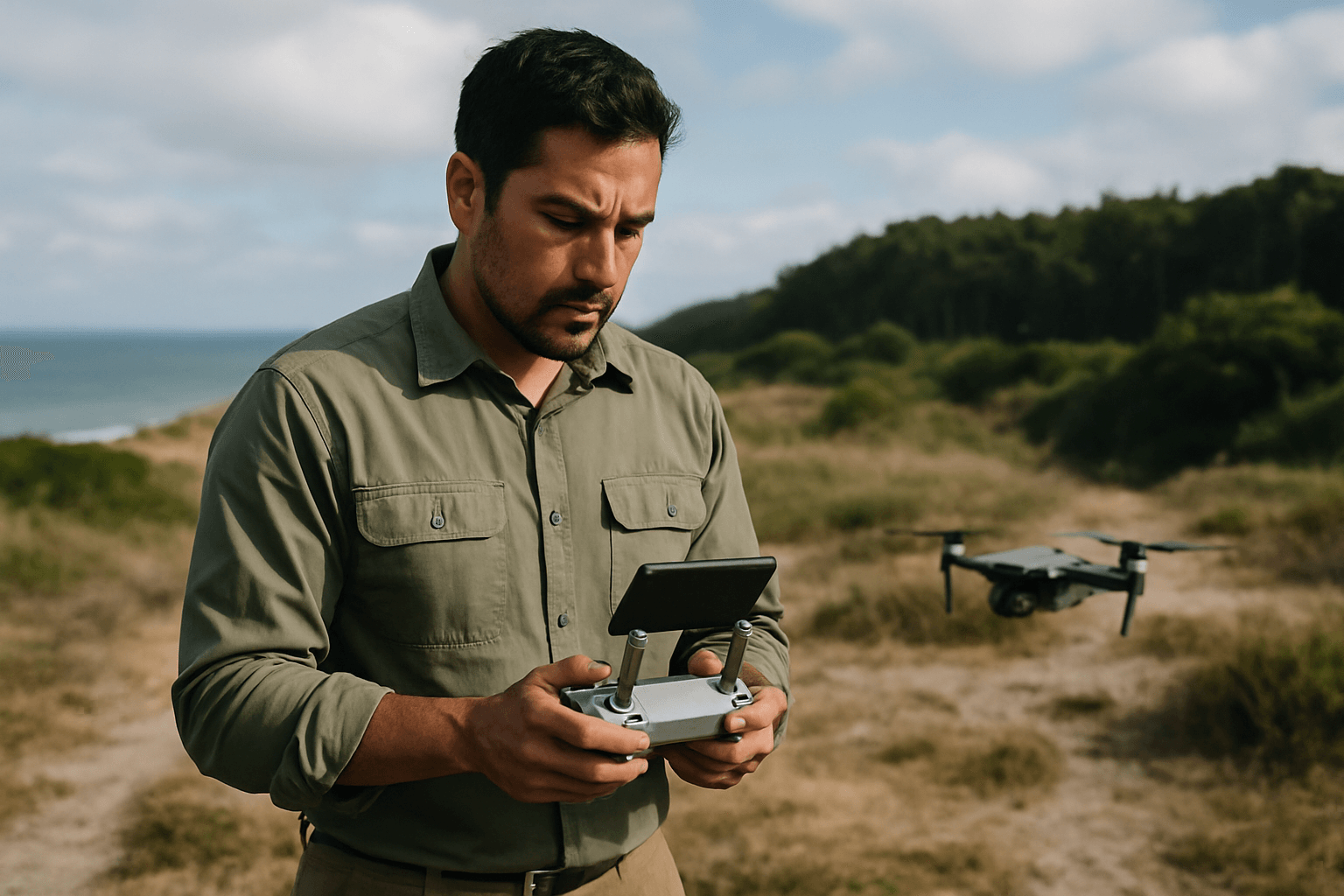
Drones have rapidly emerged as transformative tools in environmental monitoring, offering unparalleled capabilities for data collection, analysis, and rapid response in areas ranging from wildlife tracking to pollution detection. However, the integration of these unmanned aerial vehicles (UAVs) into environmental applications is not without its complexities, particularly concerning legal and ethical frameworks. Understanding the intricate web of regulations, privacy concerns, data security challenges, and permitting requirements is crucial for ensuring compliant, effective, and publicly accepted drone operations in this vital field.
Airspace Regulations and Pilot Certification
Operating drones for environmental monitoring is subject to strict aviation regulations that vary significantly by country and even by local jurisdiction. These regulations primarily aim to ensure aviation safety and manage the national airspace.
Commercial vs. Recreational Use
Most environmental monitoring activities fall under commercial or “work/business” use, which typically entails more stringent requirements than recreational flying. In the United States, commercial drone operators must comply with the Federal Aviation Administration’s (FAA) Part 107 regulations. This includes obtaining a Remote Pilot Certificate by passing an aeronautical knowledge test, registering the drone, and adhering to operational limitations such as maintaining visual line of sight (VLOS) and flying below 400 feet.
In the European Union, the European Union Aviation Safety Agency (EASA) has established a unified framework for drone operations. This framework categorizes operations based on risk (Open, Specific, Certified) and requires operator registration, remote pilot competency certificates, and adherence to rules on flight altitude and VLOS. All drones weighing over 250 grams or equipped with a camera must be registered, and remote pilots need appropriate training and certification.
No-Fly Zones and Restricted Airspace
Across the globe, specific areas are designated as no-fly zones or restricted airspace. These commonly include areas around airports, military installations, and critical infrastructure. Environmental protection zones may also have restrictions, requiring special authorization from the managing body of the protected area before drone operations can commence. Operators must consult national and local regulations for their intended area of operation.
Remote Identification (Remote ID)
Many regulatory bodies are implementing or have implemented Remote ID rules, which mandate that drones broadcast identification and location information in real time. This allows authorities to monitor drone movements and ensure compliance with airspace regulations, enhancing safety and security.
Privacy and Data Collection Concerns
The use of high-resolution cameras, thermal sensors, and other data-capturing equipment on drones for environmental monitoring raises significant privacy concerns.
Unintentional Surveillance and “Chilling Effect”
Drones can capture images and videos of individuals and private properties without consent, even when the primary objective is environmental data collection. This can lead to a feeling of constant surveillance and a “chilling effect” where individuals alter their behavior due to fear of monitoring. Ethical considerations demand transparency in drone operations and, where necessary, obtaining informed consent from communities.
Data Storage, Security, and Sharing
The vast amounts of data collected by drones, including imagery, sensor readings, and geolocation information, must be stored and processed securely. This data can be vulnerable to cybersecurity threats, unauthorized access, or misuse. Without clear regulations, there’s a risk of data being shared with or sold to third parties, raising concerns about targeted advertising or inferences about personal information. Robust data management systems and cybersecurity measures are essential to protect sensitive environmental information and ensure data integrity.
Legal Gray Areas and Evidentiary Requirements
The regulatory framework for drones has not always developed as quickly as the technology itself, leading to legal uncertainties. Questions arise regarding the admissibility of drone-obtained information as evidence in court, particularly in environmental enforcement cases. Clear legal frameworks are needed to govern data collection, storage, and evidentiary requirements for drone data used in enforcement actions.
Permitting and Environmental Impact
Beyond general aviation rules, specific permits and environmental assessments may be required for drone operations, especially in sensitive ecological areas.
Permits for Protected Areas
Operating drones in national parks, wildlife refuges, or other environmentally sensitive areas often requires additional permits or authorizations from the managing bodies. Some areas, such as lands and waters controlled by the National Park Service in the U.S., have banned drone use except for limited purposes. For research involving protected species like marine mammals or sea turtles, specific permits under acts like the Marine Mammal Protection Act or the Endangered Species Act may be necessary.
Environmental Impact Assessments
Even the operation of drones for environmental monitoring can have its own environmental impact. Regulatory models are shifting to incorporate ecological impact assessments into the drone authorization process. This includes evaluating potential habitat disruption, noise pollution, and the introduction of invasive species. EASA, for example, is developing comprehensive standards for assessing the environmental footprint of drones across their life cycle. In the U.S., the National Environmental Policy Act (NEPA) requires agencies like the FAA to consider the environmental impacts of their actions, which extends to authorizing drone operations.
International and Cross-Border Considerations
For global environmental monitoring initiatives, understanding international and transboundary drone laws is crucial. While countries have their national regulations, organizations like EASA aim to harmonize rules across member states in regions like the EU. However, significant differences can still exist in flight restriction zones, maximum altitudes, and registration requirements, necessitating thorough research for each operational location. International cooperation on drone regulations is essential for addressing transboundary environmental challenges, such as monitoring migratory bird populations or tracking pollution plumes.
Conclusion
The deployment of drones in environmental monitoring offers unprecedented opportunities for data collection, analysis, and conservation efforts. From tracking animal movements to assessing water quality and monitoring deforestation, their benefits are clear. However, leveraging this technology responsibly requires a comprehensive understanding and adherence to a complex landscape of legal and ethical considerations. Navigating airspace regulations, addressing privacy concerns, ensuring data security, and obtaining necessary permits are not merely bureaucratic hurdles but fundamental pillars for building public trust, preventing adverse impacts, and ultimately realizing the full potential of drones as invaluable tools for environmental stewardship.