The future of farming is soaring above our fields, quite literally. As global populations rise and climate change intensifies the pressures on agricultural systems, the need for sustainable practices has never been more urgent. Traditional farming methods, often characterized by broad-scale application of resources, can lead to significant waste and environmental degradation. Enter precision agriculture drones: sophisticated unmanned aerial vehicles (UAVs) equipped with advanced sensors, GPS technology, and artificial intelligence, revolutionizing how farmers manage their land and drastically reducing agriculture’s ecological footprint.
These high-tech tools provide unprecedented levels of data and precision, enabling farmers to make smarter, more environmentally conscious decisions. By shifting from blanket treatments to highly targeted interventions, precision agriculture drones are ushering in a new era of eco-friendly farming.
Precision Agriculture Drones: A Technological Overview
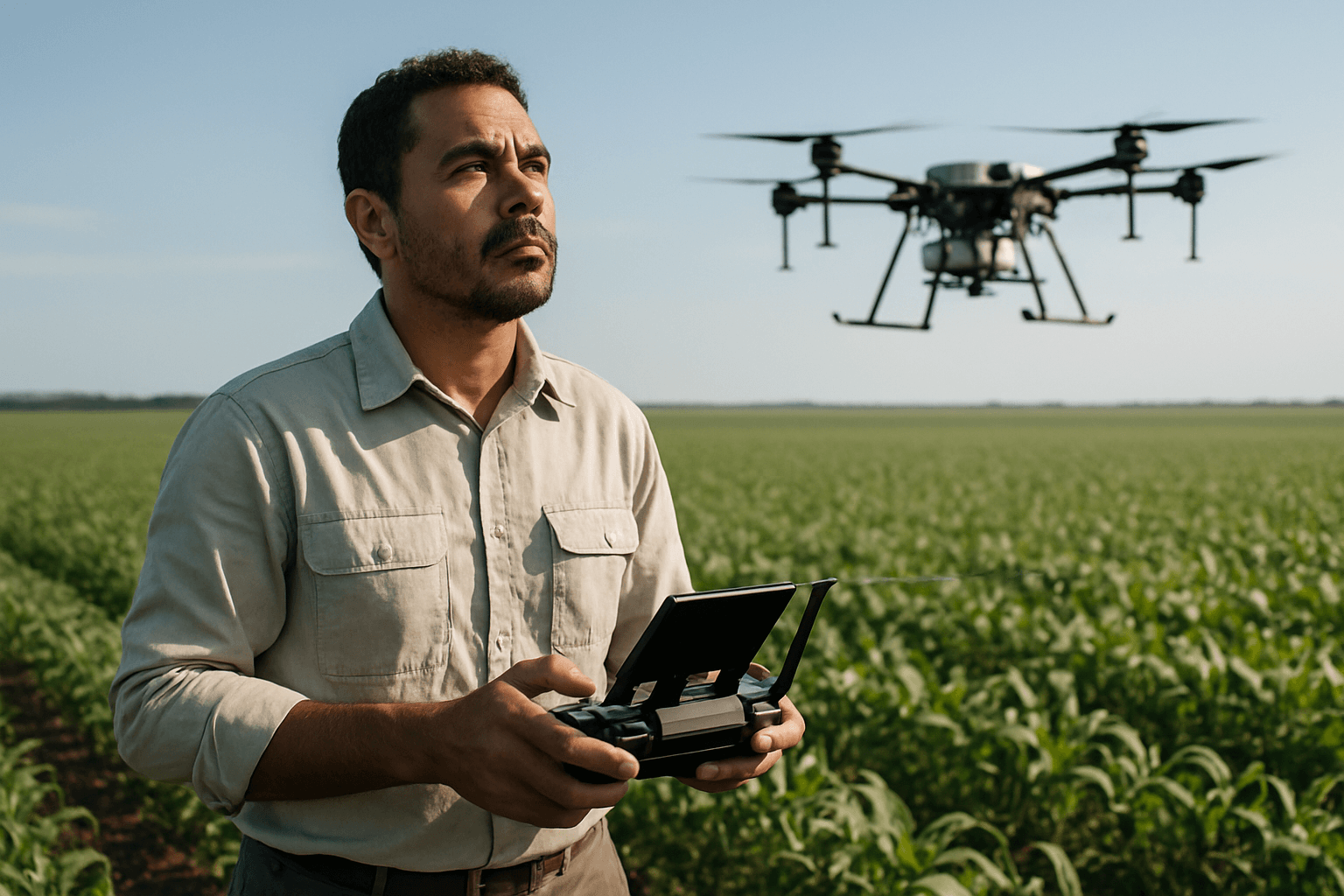
Precision agriculture drones are far more than just flying cameras. They are integrated systems capable of collecting vast amounts of data using various sensors, including multispectral, thermal, and RGB cameras, as well as specialized sensors for soil analysis. This data, combined with GPS mapping and AI-driven analytics, provides farmers with real-time insights into crop health, soil conditions, and pest infestations. This allows for highly localized interventions, optimizing resource use and minimizing environmental impact.
Significant Environmental Benefits
The environmental advantages of integrating drones into agricultural practices are extensive and impactful, addressing some of the most pressing ecological challenges faced by the sector.
Reduced Water Usage Through Smart Irrigation
Water scarcity is a critical global issue, and agriculture accounts for a significant portion of freshwater consumption. Precision agriculture drones play a pivotal role in conserving this vital resource. Equipped with thermal and multispectral cameras, along with moisture sensors, drones can accurately detect variations in soil moisture levels and identify areas experiencing water stress or over-irrigation.
This detailed mapping allows farmers to implement targeted irrigation strategies, applying water only where and when it is needed, rather than uniformly watering entire fields. Studies have shown that drone-based irrigation mapping can lead to water savings of 20-30%, a significant reduction, particularly in drought-prone regions. By preventing overwatering, drones not only conserve water but also help prevent nutrient runoff and improve soil health.
Optimized Fertilizer Application and Minimized Nutrient Runoff
Traditional fertilizer application often involves broadcasting chemicals across entire fields, leading to inefficiency, waste, and environmental pollution. Drones revolutionize this by providing precise data on soil conditions, including pH levels, soil fertility, moisture content, and nitrogen levels. Multispectral imaging and Normalized Difference Vegetation Index (NDVI) data allow drones to assess crop health and identify nutrient deficiencies in specific areas.
With this information, farmers can apply fertilizers with pinpoint accuracy, delivering the exact amount of nutrients required only to the areas that need them. This targeted approach significantly reduces the overuse of fertilizers, preventing excess chemicals from washing into rivers, lakes, and groundwater, thereby protecting aquatic ecosystems and reducing health risks.
Minimized Pesticide and Herbicide Use
Pesticides and herbicides, while crucial for pest and weed control, can have detrimental effects on non-target species and broader ecosystems when over-applied. Drones equipped with advanced cameras and sensors can detect early signs of pest infestations or plant diseases that are invisible to the naked eye.
This early detection and precise mapping allow farmers to apply pesticides and herbicides only to affected areas, rather than resorting to blanket spraying. This precision reduces the overall quantity of chemicals required by as much as 20-70%, minimizes overspray and drift, and lessens chemical runoff into surrounding environments. The result is a significant reduction in harm to beneficial insects, pollinators like bees, birds, and small mammals, contributing to healthier and more balanced ecosystems.
Improved Soil Health and Reduced Land Degradation
Heavy machinery used in traditional farming can compact soil, reducing its ability to absorb water and nutrients, and making it more susceptible to erosion. By enabling aerial monitoring and targeted applications, drones reduce the frequency and need for large, fuel-powered vehicles to traverse fields.
This minimizes soil compaction and disturbance, preserving its natural structure and microbial diversity. Furthermore, by reducing the overuse of chemicals, drones help maintain soil fertility and prevent degradation, fostering a healthier environment for plant growth and promoting long-term soil resilience. Drones can also contribute to carbon sequestration by supporting healthier soil that retains more organic matter.
Reduced Carbon Footprint
The agricultural sector is a significant contributor to greenhouse gas emissions, primarily through the use of fossil fuel-powered machinery. Precision agriculture drones offer a cleaner alternative. By performing tasks such as spraying, monitoring, and surveying from the air, drones reduce the reliance on tractors and other heavy, fuel-guzzling equipment.
Most agricultural drones run on rechargeable batteries, leading to lower fuel consumption and a direct reduction in carbon dioxide and other greenhouse gas emissions. Fewer tractor trips also mean reduced field operations, further contributing to lower CO2 emissions and supporting climate goals.
Biodiversity Preservation and Habitat Protection
The overall reduction in chemical use and minimized runoff achieved through drone-enabled precision agriculture has a direct positive impact on biodiversity. Protecting non-target species, including pollinators and beneficial insects, is crucial for ecosystem health and crop production.
Beyond chemical reduction, drones can assist in biodiversity monitoring and habitat preservation. In livestock farming, drones can monitor animals across vast grazing areas, preventing overgrazing that can lead to soil degradation and habitat destruction. They can also contribute to reforestation efforts, analyze land-use changes, and identify areas impacted by human activity or climate change, supporting integrated pest management and protecting local flora and fauna.
Conclusion
Precision agriculture drones are proving to be a transformative technology for environmental sustainability in farming. By enabling highly targeted applications of water, fertilizers, and pesticides, they significantly reduce waste, minimize pollution, and protect vital natural resources. From conserving water and preserving soil health to lowering carbon emissions and safeguarding biodiversity, these aerial innovators are empowering farmers to cultivate more efficiently and responsibly. As drone technology continues to advance, its role in fostering a greener, more sustainable agricultural future will only become more pronounced.