
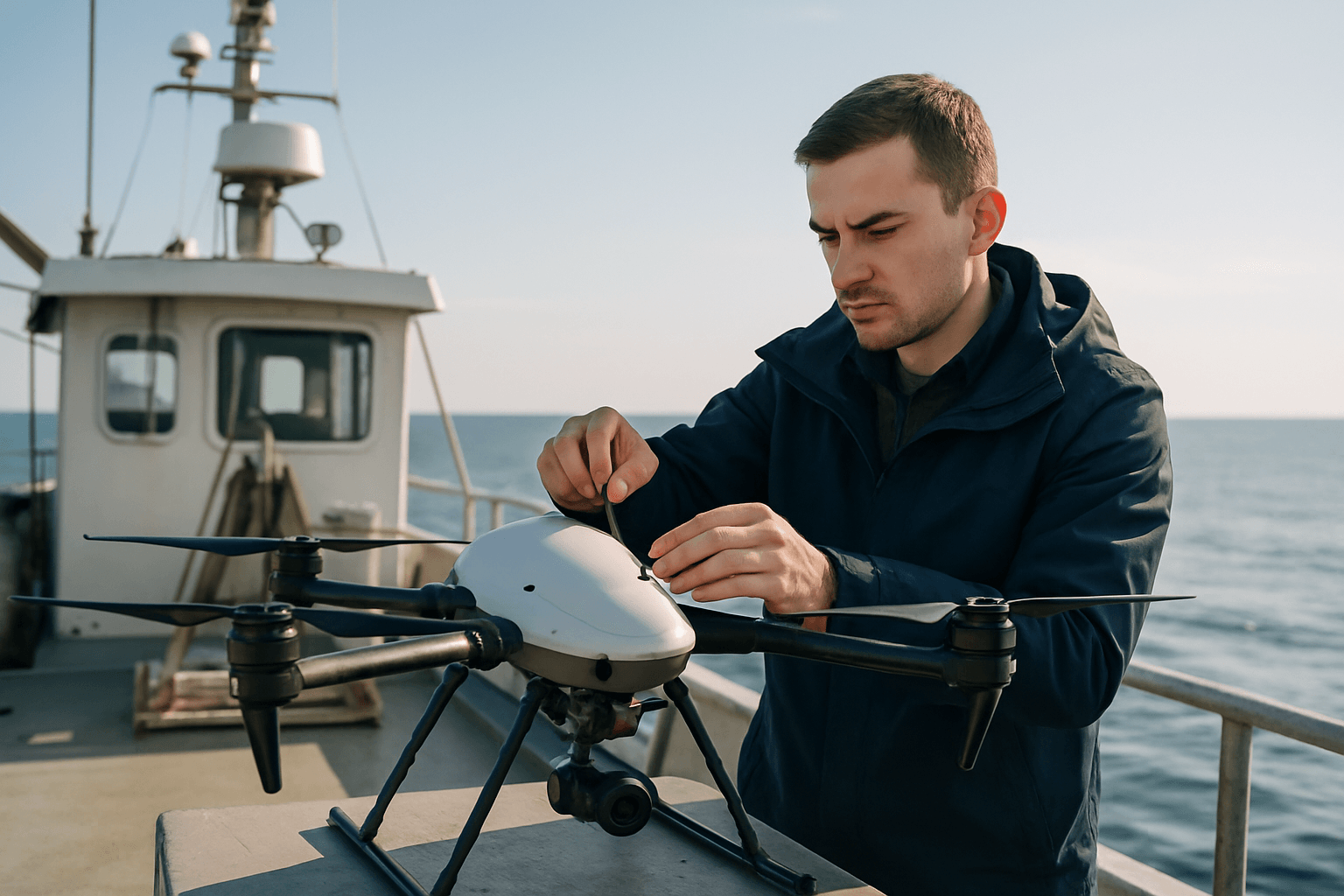
The vast and often inscrutable world beneath the ocean’s surface has long presented formidable challenges for scientists striving to understand the intricate lives of marine predators. Traditional research methods, often invasive or limited in scope, have provided glimpses but rarely offered the comprehensive, undisturbed observations necessary to truly unravel their feeding behaviors. Enter the drone: a revolutionary technology that is transforming marine biology, offering unprecedented aerial perspectives and revealing the hidden dynamics of predator-prey interactions with minimal disturbance.
The Challenge of Observing Elusive Marine Predators
Studying marine predators like whales, sharks, and seals in their natural habitats has historically been a complex endeavor. Research vessels can be noisy and intrusive, potentially altering animal behavior. Direct observation by divers or from shore is often restricted by visibility, depth, and the vastness of the ocean. These limitations have made it difficult to gather consistent, high-resolution data on crucial aspects of their ecology, such as how they hunt, what they eat, and how much they consume. Understanding these behaviors is vital for conservation efforts, as changes in feeding patterns can signal broader shifts in marine ecosystems and food webs.
Drones: A Game-Changer in Marine Biology Research
Unmanned Aerial Vehicles (UAVs), commonly known as drones, are rapidly becoming indispensable tools for marine biologists. Their ability to operate remotely, quietly, and cost-effectively at varying altitudes provides a powerful alternative to traditional methods.
Non-Invasive Data Collection
One of the most significant advantages of drones is their non-invasive nature. Unlike manned aircraft or large research vessels, drones can observe marine animals from a safe distance, minimizing disturbance to their natural behavior. Studies have shown that marine animals, particularly fully aquatic species, are generally less reactive to drones compared to terrestrial animals, possibly due to their higher sensitivity to visual and auditory cues that might signal aerial predation on land. When operated at appropriate altitudes, drone flights have shown no detectable reactions from species like Antarctic seals and penguins, in contrast to human-conducted ground surveys.
High-Resolution Aerial Perspective
Drones equipped with high-resolution cameras provide unparalleled aerial imagery, offering a “bird’s-eye view” of marine ecosystems. This perspective allows researchers to capture detailed visual data of individual animals and groups, enabling accurate counts, identification, and observation of nuanced behaviors that might be missed from other angles. For example, drones can photograph objects as small as a paperclip from 60 meters above the ocean surface.
Accessing Remote and Dangerous Areas
The open ocean and certain coastal areas can be dangerous or difficult for human researchers to access. Drones eliminate the need to put human lives at risk, especially in hazardous conditions or when studying potentially dangerous marine species like sharks. They can survey hard-to-reach locations like narrow fjords or remote pinniped haul-out sites, providing more efficient and accurate data than ground-based methods.
Complementing Traditional Methods
Drones are not always replacing traditional methods but often complementing them. They can be used to scout ocean conditions, identifying areas of interest for further, more detailed sampling by underwater vehicles or other platforms. This coordinated approach allows for a more thorough, three-dimensional investigation of ocean processes and marine life.
Key Applications in Studying Feeding Behavior
Drones offer a versatile platform for investigating various aspects of marine predator feeding behavior.
Identifying Prey Species and Abundance
By capturing high-resolution imagery and video, drones can help researchers identify the types of prey marine predators are targeting. For instance, drone footage has been instrumental in observing blue whales lunge-feeding on krill patches, allowing scientists to understand how whales make foraging decisions based on prey density. Similarly, drones are used to survey for seals and sea lions to determine their predation on salmonids.
Tracking Foraging Patterns and Hunting Strategies
Drones excel at tracking the movements and behavioral patterns of marine predators during foraging. They have revealed intricate hunting strategies, such as gray whales performing “headstands,” forward and side-swimming, and using bubble blasts to capture prey, with these behaviors differing by age and habitat. Orcas have also been observed using coordinated hunting strategies with dolphins, driving fish towards the whales, as revealed by aerial drones. The ability to continuously record these activities provides insights into how predators optimize their foraging efforts.
Quantifying Consumption Rates and Energetics
While challenging, drones can contribute to estimating the amount of food consumed by marine predators. By observing feeding events, researchers can gain data that helps model caloric intake and energy expenditure, crucial for understanding the ecophysiological consequences of feeding behaviors.
Monitoring Predator-Prey Interactions
The aerial perspective of drones is invaluable for observing direct predator-prey interactions. This includes capturing actual predation events and understanding the complex dynamics between different species. For example, drones have documented humpback whales blocking orca attacks, providing scientists with critical data on these inter-species interactions. In shark research, drones have filled knowledge gaps around fundamental shark behaviors, including predation events.
Technological Advancements Enhancing Drone Capabilities
The rapid evolution of drone technology continues to expand its utility in marine research.
Advanced Camera Systems (Thermal, Hyperspectral)
Beyond standard high-resolution visual cameras, drones are now equipped with a variety of specialized sensors. Thermal imaging cameras can detect the heat signatures of animals, allowing for nocturnal monitoring and identification of species even in low light conditions. This is particularly useful for detecting nocturnal predators or monitoring wildlife when there’s a low background thermal signature. Thermal drones can also assess the health and physiology of whales by measuring blowhole temperatures, providing insights into their internal body temperature. Hyperspectral sensors are emerging, offering even more detailed data on environmental parameters and species health.
AI and Machine Learning for Data Analysis
The sheer volume of data collected by drones can be overwhelming. Artificial Intelligence (AI) and machine learning (ML) are revolutionizing the processing and analysis of this data. AI-powered image recognition can identify and track marine species with remarkable accuracy, distinguishing between individuals and species. Machine learning algorithms can process drone footage to count animals, estimate their size, identify behaviors, and even analyze thermal fingerprints to classify species automatically. This significantly accelerates data processing, allowing researchers to focus on conservation and deeper insights.
Increased Endurance and Range
Improvements in battery life and drone design mean longer flight times and greater range, enabling more extensive and continuous monitoring missions. This is crucial for tracking migratory species or surveying vast marine areas. Some projects are even exploring shape-shifting drones for different underwater environments and swarm robotics to cover larger ocean areas more efficiently.
Ethical Considerations and Future Outlook
While drones offer immense potential, their deployment in sensitive marine environments necessitates careful ethical consideration.
Minimizing Disturbance
Despite their generally non-invasive nature, drone operations must be managed to ensure minimal impact on marine life. Factors like flight altitude, noise levels, flight patterns, and seasonal considerations can all affect animal responses. Researchers often coordinate with regulatory bodies and employ “spotters” to monitor animal reactions, modifying or ceasing operations if disturbance occurs. Ethical frameworks emphasize the need to prioritize environmental protection and mitigate noise pollution.
Regulatory Frameworks
The rapid advancement of drone technology often outpaces the development of clear regulatory frameworks. Uncertainty regarding classifications and appropriate guidelines can pose challenges for researchers. The focus is on creating comprehensive governance frameworks that integrate legal, ethical, technological, and societal considerations, including transparency and community engagement, especially when operating in populated coastal areas.
The Future of Drone-Assisted Marine Research
The future of drones in studying marine predator feeding behavior is bright. Continued advancements in AI, sensor integration, and drone autonomy will unlock even greater possibilities. Future applications may include real-time autonomous detection and response to significant events, such as tracking whale pods or surveying thermal fronts. The integration of aerial drones with autonomous underwater vehicles (AUVs) and remotely operated vehicles (ROVs) promises a truly three-dimensional understanding of marine ecosystems, from the surface to the deep seafloor. This holistic approach will enable more precise predictions of climate change impacts, better conservation strategies, and a deeper appreciation for the complex world of marine predators.
Conclusion
Drones have initiated an aerial revolution in marine biology, offering an unprecedented, non-invasive window into the feeding behaviors of marine predators. From identifying prey and tracking intricate hunting strategies to quantifying consumption and monitoring predator-prey dynamics, UAVs are providing data previously unimaginable. As technology continues to advance, particularly in AI and sensor capabilities, drones will only become more sophisticated, driving deeper insights and empowering more effective conservation efforts for our vital ocean ecosystems. Their role in unlocking the secrets of marine predators is fundamental to safeguarding the health and future of our planet’s oceans.